

Globe Light Bulbs: Sizes, Uses, LED Replacements, and Buying Guide
| What This Article Covers |
|---|
Globe light bulbs are round or spherical bulbs designed for fixtures where the bulb itself is meant to be seen — think bathroom vanity bars, open-socket pendants, decorative chandeliers, and restaurant string lights. Choosing the right one comes down to understanding a few key specs: size designation, lumen output, color temperature, and base type. This guide explains what G designations like G16, G25, G30, and G40 mean and how to calculate the actual diameter of any globe bulb. It also covers where each size is commonly used, how globe bulbs compare to standard A-shape bulbs, and how to replace incandescent globe bulbs with LED without changing the look of your fixture. You'll also find lumen recommendations by application, color temperature guidance, and a breakdown of the most common replacement mistakes to avoid. Best for: homeowners replacing vanity bulbs, bathroom remodelers, interior design shoppers, hospitality buyers, electricians, contractors, and commercial customers researching globe bulbs for decorative or functional lighting applications. |
Updated 7/28/26 by 1000Bulbs Staff

Globe light bulbs are one of the most recognizable decorative bulb styles used in homes, hospitality spaces, vanity fixtures, and open-socket pendants. Their round shape creates softer, more even light distribution while also making the bulb itself part of the fixture’s visual design.
Unlike standard household bulbs that are usually hidden behind shades, globe bulbs are meant to be seen. That makes size, color temperature, brightness, and bulb finish much more important when choosing replacements.
This guide explains globe bulb sizes, what designations like G25 and G40 mean, where globe bulbs are commonly used, and how to choose the right LED replacement for your fixture.
What Are Globe Light Bulbs?
Globe light bulbs are round or spherical bulbs designed for decorative and ambient lighting applications where the bulb itself remains visible as part of the fixture design. Unlike standard A-shape bulbs that taper toward the base, globe bulbs maintain a rounded shape that distributes light more evenly in all directions.
That shape serves both decorative and practical purposes.
Because globe bulbs are fully visible in many fixtures, they are commonly chosen for applications where appearance matters just as much as illumination. Common residential uses include:
Bathroom vanity fixtures
Decorative pendants
Open-socket chandeliers
Makeup mirrors
Dining room lighting
Accent fixtures
Commercial and hospitality spaces also use globe bulbs extensively in:
Restaurant lighting
Hotel vanity areas
Retail boutiques
Salon and spa lighting
Decorative string lighting
Compared to standard A-shape bulbs, globe bulbs produce broader ambient light with fewer harsh directional shadows. That wider light spread is one reason G25 bulbs became the standard choice for vanity lighting above mirrors.
Globe bulbs are available in:
Incandescent
Frosted and clear finishes
Dimmable configurations
LED globe bulbs are now the most common replacement option because they preserve the same decorative appearance while using far less energy and producing significantly less heat than incandescent versions.
What Does the “G” Mean on a Globe Bulb?
The “G” in globe bulb designations stands for Globe, referring to the bulb’s rounded shape.
The number that follows the “G” indicates the bulb’s diameter measured in eighths of an inch.
For example:
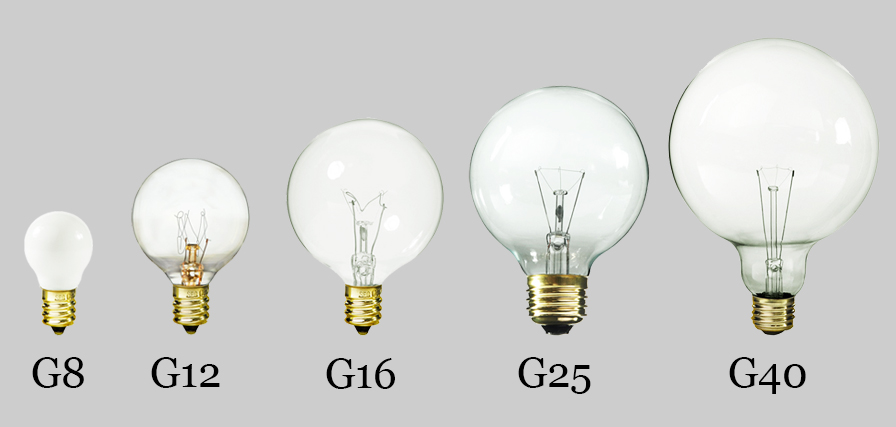
G16 = 16 eighths of an inch = 2 inches
G25 = 25 eighths of an inch = 3.125 inches
G30 = 30 eighths of an inch = 3.75 inches
G40 = 40 eighths of an inch = 5 inches
This standardized naming system helps identify the bulb’s physical size regardless of lighting technology.
Understanding the size matters because globe bulbs are often fully exposed inside decorative fixtures. Choosing the wrong size can affect:
Fixture appearance
Socket spacing
Shade clearance
Heat buildup
Visual balance
A bulb that is too large may contact neighboring bulbs or the fixture housing itself. The easiest way to calculate globe bulb diameter is simple: Divide the number following the “G” by 8. Once you understand that sizing system, identifying replacement globe bulbs becomes much easier.
Globe Bulb Size Guide: G16, G25, G30, and G40
Globe bulbs are available in several common sizes, each suited for different fixture styles and lighting goals.
Some sizes prioritize compact decorative appearance, while others are intended to create larger visual impact in open fixtures and hospitality lighting.
What Does G25 Mean?
A G25 bulb measures 25 eighths of an inch in diameter, which equals 3.125 inches across.
G25 is the most common globe bulb size used in residential bathroom vanity fixtures.
The size works especially well in vanity bars because it produces broad, even light distribution across the face without creating harsh directional shadows. That softer lighting pattern makes G25 bulbs ideal for:
Makeup application
Grooming
Bathroom mirror lighting
Hospitality vanity fixtures
Most G25 bulbs use a standard medium E26 base, allowing them to be installed in standard household vanity fixtures without adapters.
LED G25 bulbs are now widely used as replacements for incandescent vanity bulbs because they provide a similar appearance and brightness with significantly lower energy consumption.
Common Globe Bulb Sizes Explained
| Designation | Diameter | Common Base Type | Typical Application | Available in LED? |
|---|---|---|---|---|
| G16 | 2" | E12 or E26 | Decorative chandeliers, mini pendants | Yes |
| G25 | 3.125" | E26 | Vanity bars, open pendants | Yes |
| G30 | 3.75" | E26 | Larger vanity fixtures, statement pendants | Yes |
| G40 | 5" | E26 | String lights, oversized pendants, patio lighting | Yes |
G16 Globe Bulbs
G16 bulbs are smaller decorative globe bulbs commonly used in:
Chandeliers
Decorative sconces
Mini pendants
Accent fixtures
Many G16 bulbs use candelabra E12 bases, especially in decorative fixtures with multiple exposed bulbs.
Because the bulbs are smaller, they work well in compact fixtures where larger globe bulbs would overwhelm the fixture proportions.
G30 Globe Bulbs
G30 bulbs are larger than standard G25 vanity bulbs and are often chosen when a slightly oversized decorative appearance is desired.
They are commonly used in:
Larger vanity fixtures
Decorative pendants
Open-frame chandeliers
Boutique retail lighting
The larger globe shape creates stronger visual presence without becoming as oversized as a G40 bulb.
G40 Globe Bulbs
G40 bulbs are large decorative globe bulbs measuring 5 inches in diameter.
They are especially common in:
Patio string lights
Restaurant lighting
Commercial outdoor dining spaces
Oversized pendants
Hospitality lighting
Clear filament LED G40 bulbs became especially popular because the large globe shape pairs naturally with vintage-inspired decorative lighting styles.
Because G40 bulbs are physically large, spacing and fixture clearance become especially important during replacement planning.
Where Are Globe Bulbs Commonly Used?
Globe bulbs are popular because they combine decorative appearance with broad, even light distribution. In many fixtures, the bulb itself is intentionally visible, which makes the shape and finish part of the overall design.
Different globe bulb sizes are often selected based on both lighting needs and fixture proportions.
Bathroom Vanity Fixtures
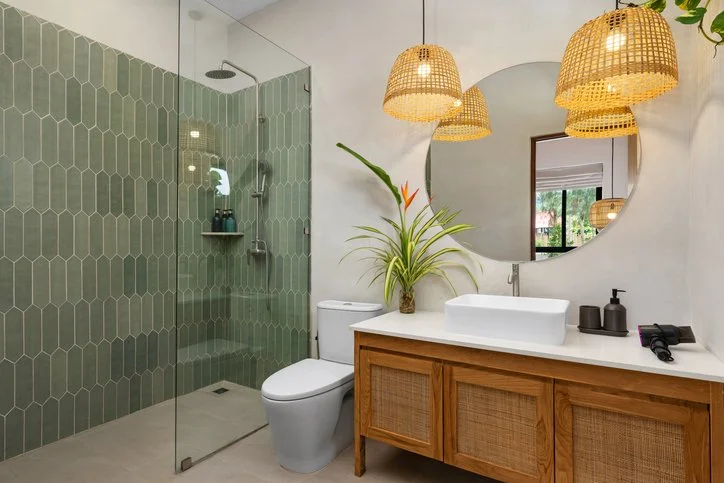
Bathroom vanity bars remain the most common residential application for globe bulbs.
G25 bulbs are especially popular because their round shape spreads light evenly across the face instead of directing most of the light downward. That helps reduce harsh shadows around the eyes and cheeks during:
Grooming
Makeup application
Shaving
Daily bathroom use
Many vanity fixtures use multiple globe bulbs together to create balanced lighting across the mirror.
Decorative Pendants and Chandeliers
Open-socket pendant lights and chandeliers frequently use globe bulbs because the bulb itself becomes part of the fixture’s visual style.
Common applications include:
Kitchen pendants
Dining room fixtures
Entryway lighting
Open-frame chandeliers
Decorative hanging fixtures
Filament LED globe bulbs are especially popular in these settings because the visible filament design adds warmth and vintage-inspired character. Silver bowl bulbs are also a popular choice for pendant lighting. Their reflective silver coating directs light upward into the fixture, creating a softer, more diffused glow while reducing glare below.
G16 globe bulbs are commonly used in chandeliers and smaller decorative fixtures, while G25 and G30 globe bulbs are more common in medium and large pendants. Silver bowl bulbs are available in several globe sizes, allowing homeowners and designers to achieve this indirect lighting effect across a variety of pendant styles.
Restaurant and Hospitality Lighting
Restaurants, hotels, bars, and hospitality spaces often use globe bulbs to create warm ambient lighting that feels softer and more inviting than directional commercial lighting.
G40 globe bulbs are especially common in:
Outdoor patio string lights
Restaurant dining spaces
Rooftop bars
Decorative hospitality installations
The oversized globe shape creates strong visual impact while also producing broad ambient illumination.
Warm filament-style LED globe bulbs are especially popular in hospitality spaces because they create a softer atmosphere that flatters both guests and interior finishes.
Retail and Boutique Spaces
Retail boutiques and decorative commercial spaces often use globe bulbs in exposed pendants and statement fixtures where the lighting contributes directly to the brand aesthetic.
In these environments, the bulb functions as both:
A light source
A decorative design element
Clear globe bulbs with visible filaments are especially common in boutique retail environments trying to create a warmer, more curated atmosphere.
Globe Bulbs vs Standard Bulbs: What’s the Difference?
At first glance, globe bulbs and standard household bulbs may appear similar because both use common screw-in bases like E26 and E12. The biggest differences are shape, light distribution, and intended fixture style.
Standard A-shape bulbs taper from a wider body into a narrower neck near the base. That shape is designed primarily for fixtures where the bulb is hidden behind a shade or diffuser.
Globe bulbs are different.
Their fully rounded shape is designed to remain visible inside open fixtures and decorative lighting installations.
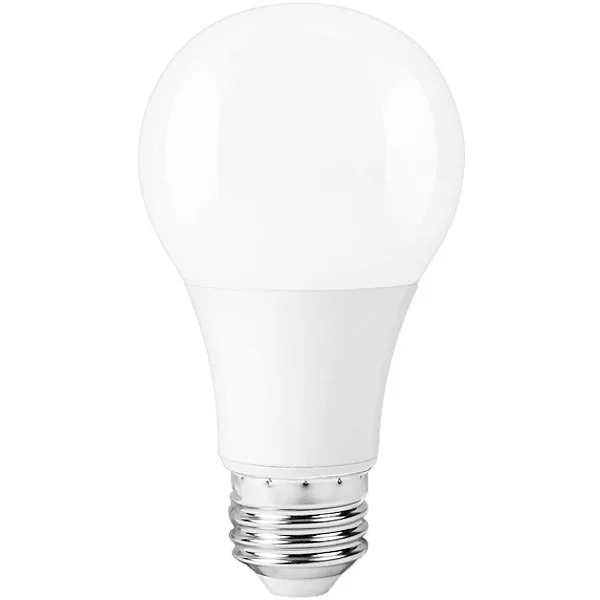
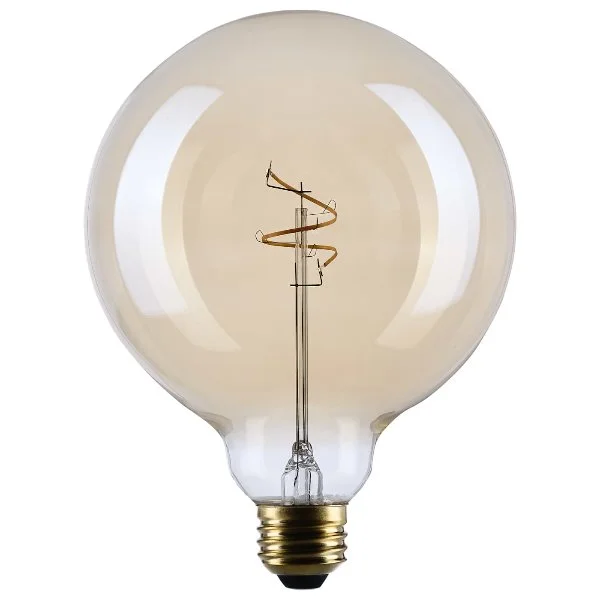
That changes both the appearance and the lighting pattern.
Compared to standard A-shape bulbs:
Globe bulbs distribute light more evenly in all directions
Standard bulbs direct more light downward and outward
Globe bulbs create softer ambient illumination
Standard bulbs are better suited for directional task lighting
In vanity fixtures, this difference becomes especially noticeable.
Replacing a globe bulb with a standard A-shape bulb often changes:
Fixture appearance
Light spread
Shadowing around the face
Overall visual balance
The tapered neck of a standard bulb can also look visually awkward inside a fixture designed specifically for globe bulbs.
For decorative fixtures with exposed sockets, the bulb shape matters just as much as brightness.
If a fixture was designed around a G25 or G40 globe bulb, replacing it with a standard household bulb usually changes the intended look of the entire fixture.
Can You Replace Incandescent Globe Bulbs With LED?
The answer is yes. LED globe bulbs are direct replacements for incandescent globe bulbs in most residential and commercial fixtures. They are available in the same common sizes, use the same base types, and preserve the same decorative appearance while dramatically reducing energy usage and heat output.
This is one of the easiest lighting upgrades most homeowners and businesses can make.
LED globe bulbs are widely available in:
G16
G25
G30
G40
They are also offered in:
Frosted finishes
Clear glass designs
Decorative filament styles
Dimmable versions
Multiple color temperatures
Most LED globe bulbs install directly into existing E26 or E12 sockets without requiring fixture modifications.
Why Do Many People Switch to LED Globe Bulbs?
Energy savings are one of the biggest reasons globe bulb retrofits have become so common.
An LED globe bulb can often produce similar brightness to an incandescent version while using only a fraction of the wattage.
LED globe bulbs also produce substantially less heat, which matters in:
Vanity fixtures near mirrors
Decorative pendants
Enclosed fixtures
String light installations
Reduced heat output improves comfort while also reducing stress on fixture components.
LED Globe Bulbs Last Much Longer
Lifespan improvements are another major advantage.
Traditional incandescent globe bulbs usually require much more frequent replacement, especially in commercial or hospitality environments where fixtures operate for long daily hours.
LED globe bulbs greatly reduce:
Relamping frequency
Maintenance time
Replacement costs over time
This is especially valuable in:
Hotels
Restaurants
Retail stores
Large residential vanity installations
Dimming Compatibility Matters
Many LED globe bulbs are dimmable, but compatibility still depends on the dimmer system being used.
If the fixture operates on a dimmer, verify that the LED globe bulb is specifically rated for dimming. Installing non-dimmable LEDs on dimmer circuits can cause:
Flickering
Buzzing
Inconsistent brightness
Premature bulb failure

Decorative Filament LED Globe Bulbs
Filament LED globe bulbs have become especially popular because they preserve the warm visual appearance of incandescent lighting while delivering modern LED efficiency.
These bulbs are commonly used in:
Restaurants
Decorative pendants
Open chandeliers
Boutique retail spaces
Hospitality lighting
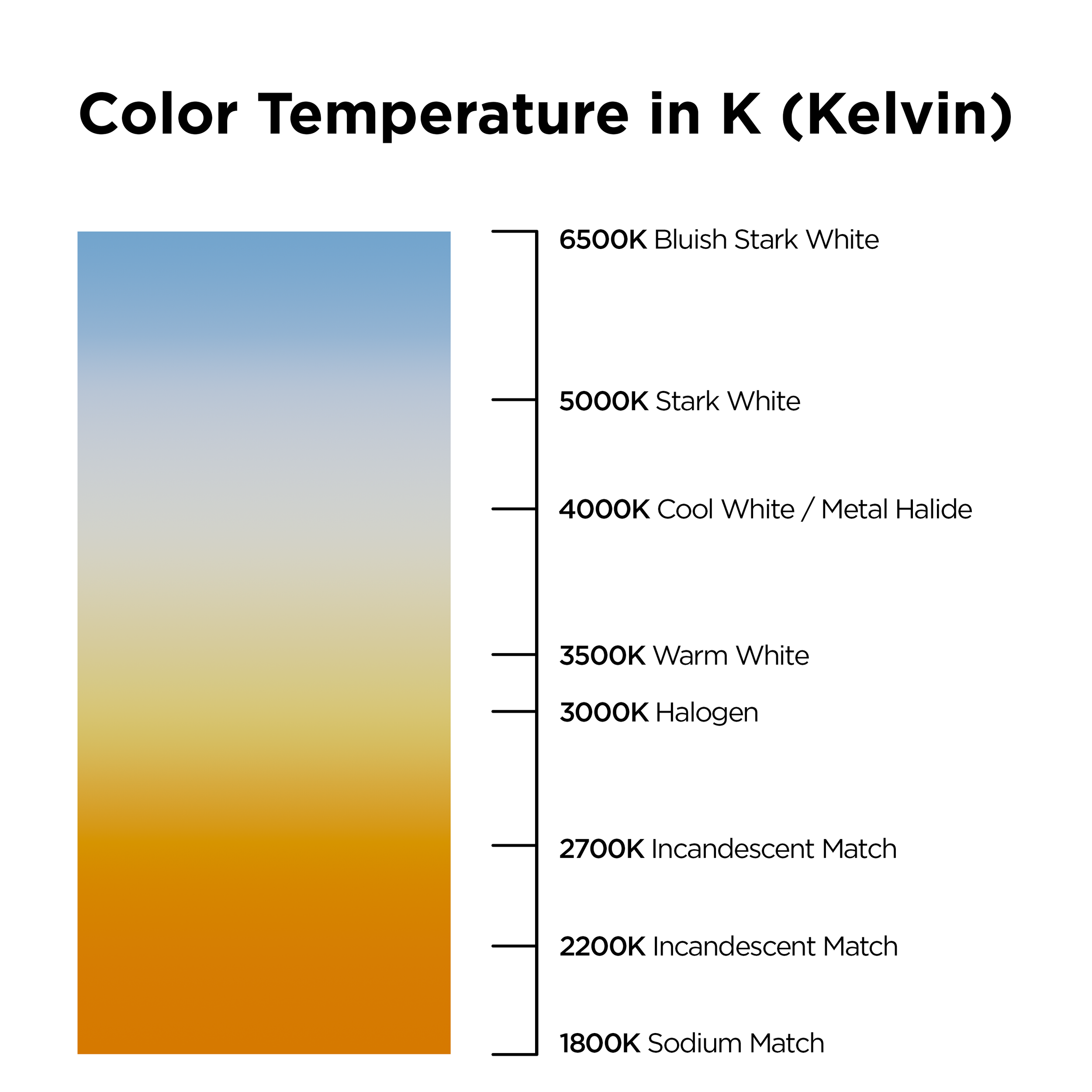
Many filament-style globe bulbs operate in warm color temperatures like 2200K to 2700K to create softer ambient lighting with a vintage-inspired appearance.
How Bright Should Globe Bulbs Be?
Brightness needs vary depending on where the globe bulb is being used and whether the fixture is intended for ambient lighting, task lighting, or decorative effect.
In vanity fixtures, brightness is especially important because uneven or insufficient lighting creates shadows across the face.
For most residential bathroom vanity applications, medium-brightness G25 globe bulbs provide balanced lighting without excessive glare. Multi-bulb vanity bars usually distribute light evenly enough that extremely high-output bulbs are unnecessary.
Decorative pendants and chandeliers often prioritize atmosphere over raw brightness.
In those fixtures, softer warm globe bulbs are commonly preferred because they create:
More comfortable ambient lighting
Less glare
Better visual warmth
A more decorative appearance
Restaurants, hospitality spaces, and patio lighting installations also tend to use warmer and lower-brightness globe bulbs to create a more relaxed environment.
Oversized G40 globe bulbs used in string lighting are often intentionally lower in brightness because the decorative appearance matters more than maximum illumination.
The finish of the bulb also affects perceived brightness.
Frosted globe bulbs soften light and reduce glare
Clear globe bulbs appear brighter and more directional
Filament LED globe bulbs emphasize decorative appearance
When replacing globe bulbs, matching brightness is important, but matching the intended atmosphere of the space matters just as much.
Choosing the Right Globe Bulb Color Temperature
Color temperature dramatically changes how globe lighting feels inside a space.
Most globe bulbs are available in warm, neutral, and cooler white color temperatures depending on the intended environment.
Warm White Globe Bulbs
Warm white globe bulbs are the most common choice for:
Restaurants
Bedrooms
Dining rooms
Hospitality spaces
Decorative pendants
These bulbs create softer, more comfortable ambient lighting that feels closer to traditional incandescent lamps.
Filament LED globe bulbs are especially popular in warm color temperatures because they preserve the classic decorative appearance many fixtures were originally designed around.
Neutral White Globe Bulbs
Neutral white globe bulbs are commonly used in:
Bathrooms
Vanity fixtures
Retail environments
Commercial decorative lighting
They create a cleaner appearance while still avoiding the harshness associated with cooler commercial lighting.
Many vanity installations prefer neutral white lighting because it provides more balanced visibility for grooming and makeup application.
Cooler White Globe Bulbs
Cooler white globe bulbs are less common in decorative applications but may still appear in:
Commercial environments
Task-oriented spaces
Utility decorative fixtures
In most residential decorative fixtures, warmer color temperatures remain the preferred option because they create a more inviting atmosphere.
Common Mistakes When Replacing Globe Bulbs
Here are some of the most common mistakes when replacing globe bulbs.
Choosing the Wrong Size
This is one of the most common mistakes people make when replacing globe bulbs.
A G25, G30, and G40 bulb may all use the same base type, but they have very different diameters. Installing the wrong size can prevent the bulb from fitting properly or affect the fixture's appearance and light distribution.
Before purchasing a replacement, verify:
Globe diameter
Fixture clearance
Socket spacing
Shade dimensions
Replacing Globe Bulbs with Standard A-Shape Bulbs
Standard household bulbs may physically fit into the fixture, but they often change both the appearance and lighting pattern significantly.
Fixtures designed around globe bulbs usually look and perform best when globe replacements are used.
Ignoring Dimmer Compatibility
Not all LED globe bulbs are dimmable.
If the fixture uses a dimmer switch, verify compatibility before installation to avoid flickering or buzzing problems.
Choosing Brightness Based Only on Wattage
LED globe bulbs use much lower wattages than incandescent bulbs.
Brightness comparisons should be based on light output rather than wattage alone.
Forgetting Enclosed Fixture Ratings
Some globe bulbs are installed inside enclosed decorative fixtures where heat buildup matters.
Always verify whether the LED globe bulb is rated for enclosed fixture use if ventilation is limited.
How to Choose the Right Globe Bulb
The best globe bulb depends on the fixture style, desired appearance, brightness needs, and whether the bulb itself will remain visible after installation.
Choose G16 Bulbs If:
The fixture is compact
The bulbs are closely spaced
You are replacing chandelier or decorative accent bulbs
Choose G25 Bulbs If:
You are replacing bathroom vanity bulbs
You want balanced everyday decorative lighting
The fixture was originally designed for globe vanity bulbs
Choose G30 Bulbs If:
You want a slightly larger decorative appearance
The fixture has wider socket spacing
The pendant or chandelier is medium-to-large in scale
Choose G40 Bulbs If:
You want oversized decorative lighting
The bulbs will remain fully visible
You are lighting patios, restaurants, or hospitality spaces
For most installations, LED globe bulbs provide the best balance of decorative appearance, energy efficiency, reduced heat, and long-term maintenance reduction.
Need Help Choosing the Right Globe Bulbs?
Globe light bulbs remain one of the most popular decorative lighting styles because they combine soft ambient illumination with strong visual appeal. From bathroom vanity bars and decorative pendants to restaurant patios and hospitality spaces, globe bulbs continue to play a major role in both residential and commercial lighting design.
Understanding the differences between G16, G25, G30, and G40 bulbs makes replacement planning much easier, especially in exposed fixtures where bulb size directly affects the appearance of the entire installation.
LED globe bulbs have also made decorative lighting far more efficient without sacrificing the warm look and broad light distribution that made globe bulbs popular in the first place.
For help choosing the right globe bulb size, color temperature, or LED replacement option, 1000Bulbs lighting specialists are available Monday through Friday, 7 a.m. to 5 p.m. CST.
Call 1-800-624-4488 or browse globe bulbs, vanity bulbs, decorative LED globes, and filament globe lights at 1000Bulbs.com.
FAQS
What does G25 mean on a light bulb?
G25 means the bulb is a globe-shaped bulb measuring 25 eighths of an inch in diameter, or approximately 3.125 inches across.
What is the difference between G25 and G40 bulbs?
G40 bulbs are much larger than G25 bulbs. G25 bulbs are commonly used in vanity fixtures, while G40 bulbs are often used in decorative string lights and oversized pendants.
Can globe bulbs be used in regular fixtures?
Yes, as long as the base type and physical size are compatible with the fixture.
Are LED globe bulbs dimmable?
Many are, but not all. Always verify dimmer compatibility before installation.
| Base Type | Code |
| Candelabra | E12 |
| Intermediate | E17 |
| Medium | E26 |
What base do globe bulbs use?
Most globe bulbs use standard E26 medium bases, E17 intermediate bases, or E12 candelabra bases depending on the fixture style and bulb size.
Are globe bulbs only decorative?
No. While they are commonly used decoratively, globe bulbs also provide functional ambient lighting in vanity fixtures, restaurants, hospitality spaces, and residential interiors.
Are globe bulbs available in warm white?
Yes. Warm white globe bulbs are extremely common, especially in decorative and hospitality lighting applications.
Can I replace incandescent globe bulbs with LED?
Yes. LED globe bulbs are widely available in the same common globe sizes and base types used by incandescent globe bulbs.