
How to Store Christmas Lights Without Tangles
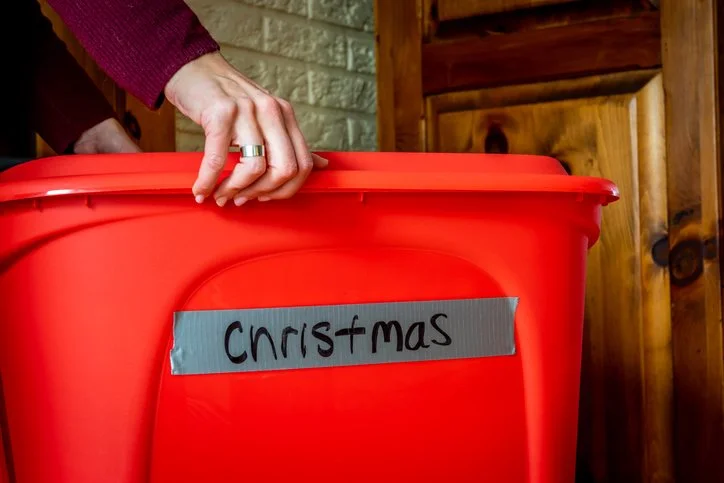
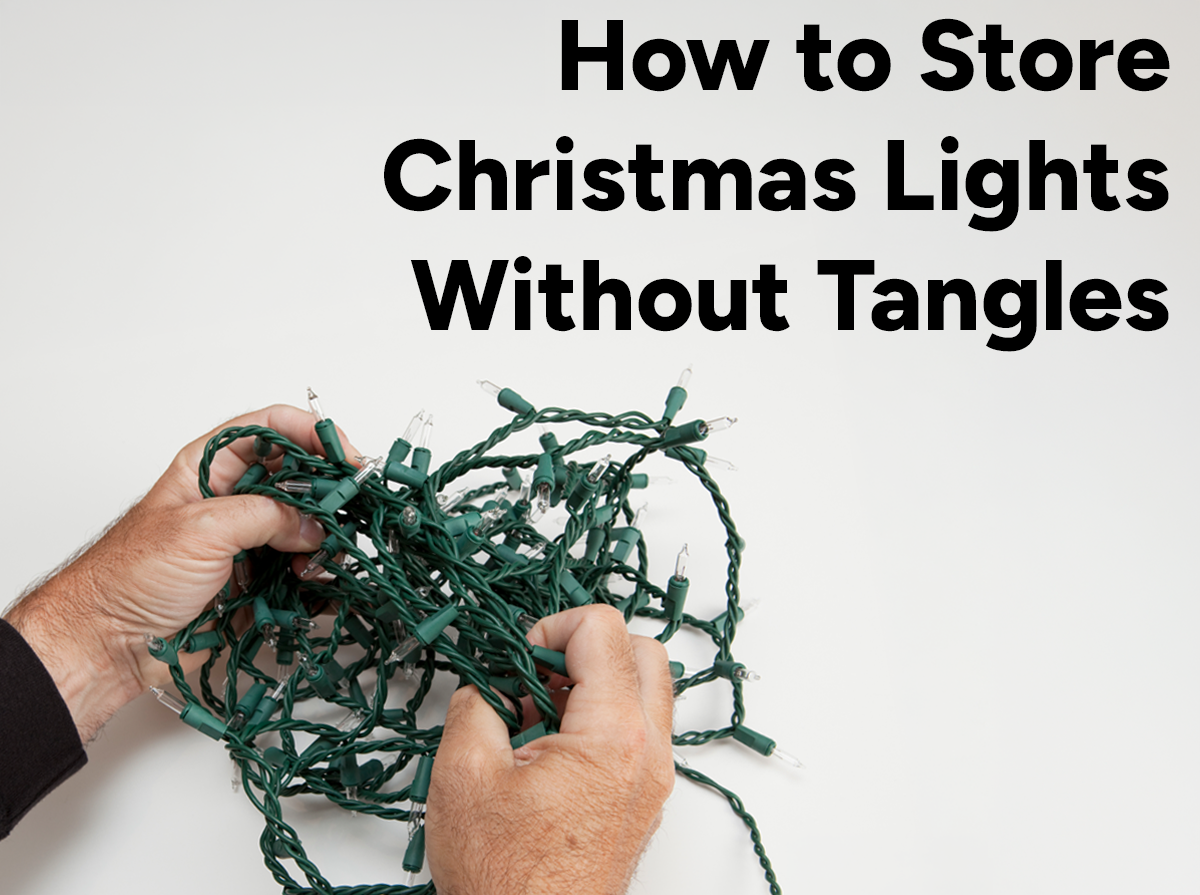
Last year’s neatly packed decorations somehow turn into this year’s knot of wires. Before you spend another afternoon tracing a plug through a tangled pile, change how you put your lights away: wrap each strand loosely around cardboard, a reel, a hanger, or a tube, secure both ends, and label it before placing it in a dry container.
You don’t need an elaborate storage system. Gather a few wrapping supplies, soft ties, labels, and a bin with enough room for your lights. A little attention during takedown makes it easier to find the right strand and start decorating next season.
What You Need to Store Christmas Lights
Choose supplies that fit your Christmas lights. A short mini-light strand needs less space than a roofline string fitted with large bulbs.
Christmas Light Storage Reels
Dedicated plastic reels provide a winding surface and help strands unwind in order. Check capacity and bulb clearance before buying: a reel that holds several LED mini-light strings may have less room for C7 or C9 lights. Capacity depends on both strand length and bulb size.
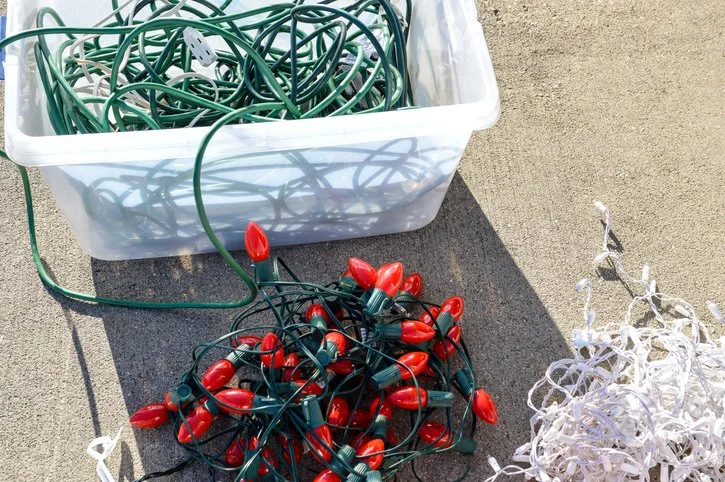
Clear or Moisture-Resistant Storage Bins
Clear bins or viewing windows let you identify contents without opening every box. Snug lids help keep out dust and pests; gasketed containers add protection against outside moisture. Neither solves the problem of packing wet lights. Everything must be completely dry before you close the lid.
Soft Ties and Labels
Reusable hook-and-loop straps hold wrapped strands together without needing a tight knot. Loosely fastened twist ties can also work, provided they don’t pinch the wiring. Keep labels and a marker nearby so you can record each strand’s location, color, and length while you still remember where it belongs.
Compatible Replacement Bulbs and Fuses
Keep matching spares with their original specifications or packaging. Replacement LED Christmas light bulbs must match the set’s requirements, and some LED strings have nonreplaceable bulbs. Fuses also need to match the manufacturer’s specified type and rating. Similar appearance alone doesn’t establish compatibility.
What to Do Before Putting Christmas Lights Away
Inspect and clean lights as you take them down. This is also a good time to sort out failed bulbs and label strands before several displays end up in the same bin.
Inspect and Test Each Strand
With lights unplugged, check for exposed wires, cracked sockets, loose connections, and damaged plugs. Set damaged strands aside for replacement. Only test strands that appear undamaged, using an outlet appropriate for the product and location. Unplug them again before replacing bulbs, cleaning, or wrapping.
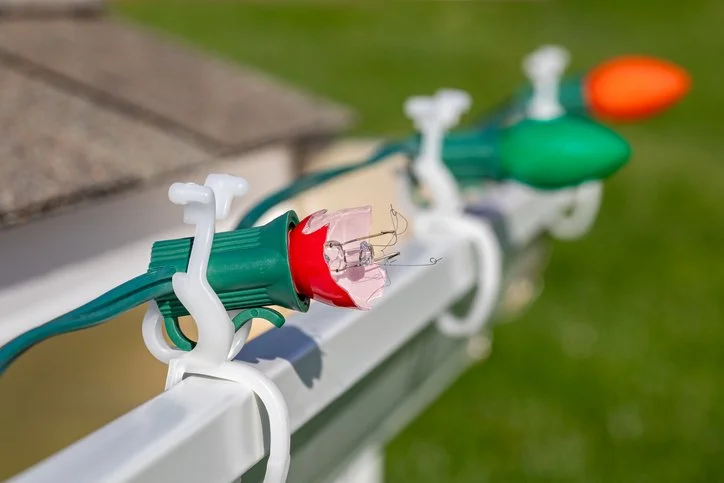
Replace damaged and failed bulbs before packing strings away for storage.
Replace Failed Bulbs and Check Fuses
Replace serviceable bulbs and check accessible plug fuses according to the manufacturer’s instructions. Never install a higher-rated fuse or bypass one to make a strand work. If a replacement fuse blows again, stop using the lights and investigate the cause rather than repeatedly replacing it.
Clean the Lights and Let Them Dry
Brush away leaves and wipe off dirt with a dry cloth. Use a slightly damp cloth only where the manufacturer permits, and never immerse plugs, sockets, or controllers. Let all components dry completely before packing, including outdoor strands brought inside after rain or snow.
Label Each Strand by Location
Attach a tag near the plug with a useful description, such as “front porch,” “Christmas tree,” or “garage roofline.” Add color and length when several strands look alike. A quick photo of a larger display can also help you remember which labeled strands go where.
How to Store Christmas Lights Without Tangles: 5 Methods
The best way to store Christmas lights depends on their length, bulb size, and your available space. Keep each strand separate, leave slack in the wiring, and choose a holder that won’t crowd the bulbs.
1. Wrap Christmas Lights Around Cardboard
Sturdy shipping-box cardboard makes an inexpensive, flat holder for most standard light strings. Choose a piece large enough to keep the bulbs from bunching together.
Cut a rectangle. Leave enough surface area to spread out the strand as you wrap.
Add retaining notches. Cut shallow V-shaped notches at opposite ends. Widen them if needed so they won’t pinch the cord.
Anchor and wrap. Rest the cord near the plug in one notch, then wind loosely around the cardboard’s width.
Secure the end. Place the remaining cord in the opposite notch without making a sharp fold near the plug.
Label and pack. Write the location on the cardboard and place it where heavier decorations won’t press against the bulbs.
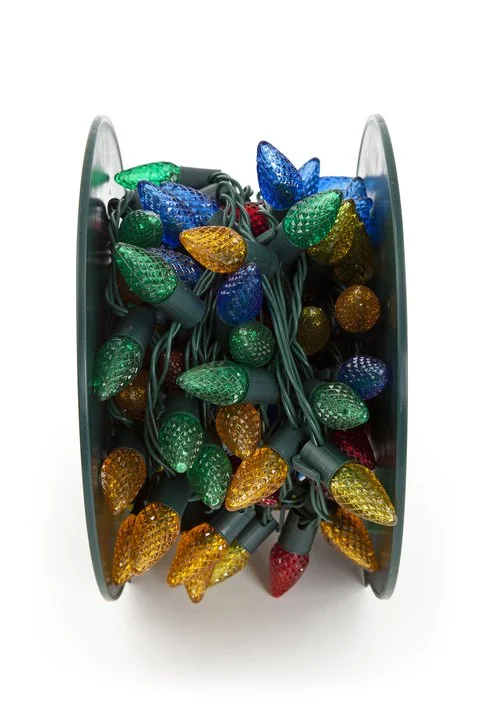
2. Use a Christmas Light Storage Reel or Spool
A rotating storage reel helps manage longer strands and larger displays. Check capacity, bulb clearance, and product restrictions. Some installation reels offer mounting or ladder attachments, but verify those features before purchasing.
Choose a compatible reel. Make sure it accommodates the strand and its bulbs.
Anchor the starting end. Use the retaining slot or clip, leaving the plug accessible.
Wind evenly. Rotate the reel while guiding the lights into loose layers. Stop before bulbs become crowded.
Secure the loose end. Use the built-in holder or a soft strap without pinching the wire.
Label and store. Mark the display location and place the reel in a suitable container.
When planning future displays, distinguish a storage reel from Christmas light stringers and spools, which may refer to lighting wire supplied on a spool. Keep the display’s mounting clips and stakes in a labeled bag nearby.
3. Wrap Lights Around a Plastic Clothes Hanger
A smooth, sturdy plastic hanger works for lightweight strands when you have hanging space available. Avoid using it for strings heavy enough to bend the frame.
Inspect the hanger. Check for cracks, rough edges, or broken hooks.
Anchor the first end. Use an existing curved hook or a loose soft tie.
Wrap around the frame. Keep the strand loose and give bulbs room between wraps.
Fasten the second end. Add another loose tie so the lights won’t unravel.
Label and hang. Choose a spot where the strand won’t snag on clothing or tools. Add a protective cover if needed.
4. Wind Mini Lights Around a Cardboard Tube
A sturdy paper towel or mailing tube can hold a short mini-light strand. Stop if the tube starts bending or the bulbs become crowded.
Prepare the tube. Choose clean, dry cardboard and cut a small slit at each end.
Anchor the starting cord. Slip the cord near the plug into one slit without forcing it.
Wind loosely. Work along the tube, leaving room for bulbs and sockets.
Secure the final end. Place the remaining cord in the opposite slit.
Protect from crushing. Label the tube and pack it where it can retain its shape.
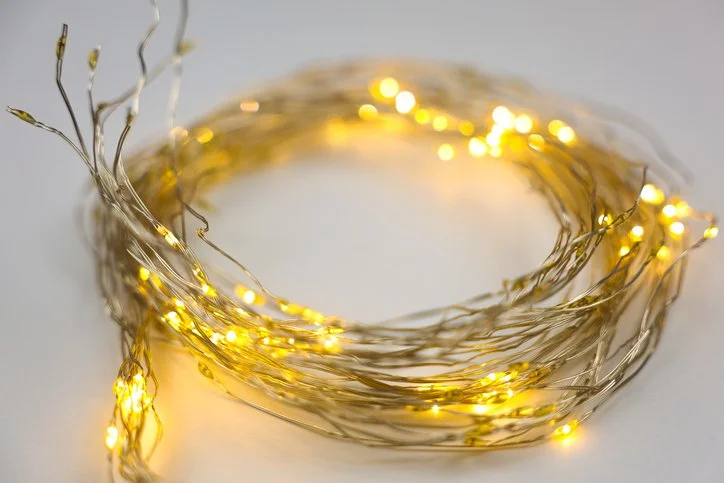
5. Make a Loose Coil for Short Fairy Lights
Short, flexible fairy lights can be gathered into loose loops. Thin wire needs gentle handling, so avoid tight bends or winding it into a compact ball.
Start opposite the power connection. Leave the plug or battery pack for last.
Form loose loops. Wrap gently around your hand without pulling the wire taut.
Slide off the coil. Hold the loops together as you remove them.
Secure loosely. Add a soft tie, keeping the power connection outside the coil.
Pack separately. Give each coil its own pouch or compartment. Remove batteries from battery-operated Christmas lights before long-term storage.
Choose the Right Christmas Light Storage Container
Wrapping keeps strands organized; a container protects the wrapped lights from dust, crushing, and environmental exposure. Choose one that fits your holders without pressing the lid against the bulbs.
| Container | Best Use | Main Advantage | What to Watch For |
|---|---|---|---|
| Clear plastic bin | Several labeled strands | Easy to identify contents | Avoid overpacking or placing heavy items on bulbs |
| Gasketed, moisture- resistant bin |
Suitable for garages with occasional dampness | Helps limit outside moisture and dust | Damp lights trap moisture inside |
| Divided storage box | Short strands and small accessories | Keeps individual sets separate | Check compartment size and bulb clearance |
| Padded reel bag | Lights wound on reels | Keeps reels and accessories together | Check padding and moisture protection |
| Original packaging | Loose bulbs and delicate components | Provides fitted protection when available | Cardboard needs a dry location |
Where Should You Store Christmas Lights?
Choose a cool, dry location within the manufacturer’s recommended storage conditions. Consider the space throughout the year, including summer heat and seasonal leaks.
Indoor Closets and Storage Rooms
A dry indoor closet or storage room generally offers protection from dampness and large temperature swings. Place bins on shelves with adequate support, keeping heavy decorations from pressing against the lights. Store labels facing outward so you can find the right display quickly.
Can You Store Christmas Lights in the Garage?
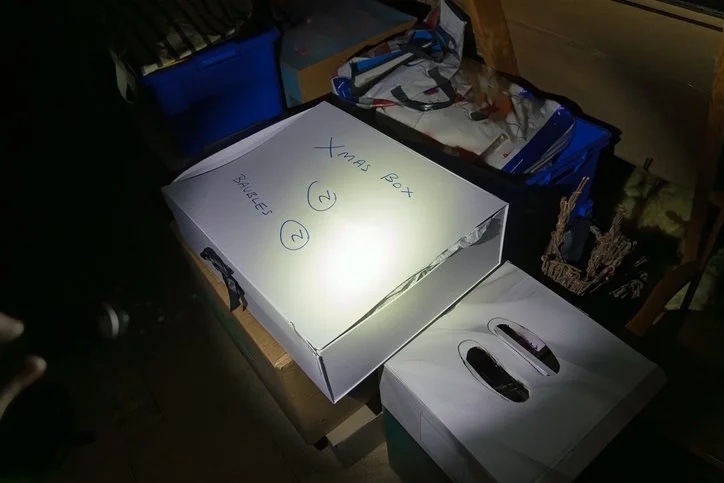
A garage can work if it stays reasonably dry and within the lights’ recommended storage temperatures. Use moisture-resistant containers, keep them off the floor, and avoid leaks or direct sunlight. A sealed bin won’t protect its contents from extreme heat or cold.
Attics and Basements
Hot attics and damp basements can be poor choices, even when they have plenty of space. Use them only if temperature and moisture conditions suit your products. Keep containers away from plumbing, leaks, and areas prone to flooding.
Special Storage Tips for Different Christmas Lights
LED Lights and Smart RGB Strings
LEDs still need careful handling of wiring, sockets, and connections. For smart RGB lights, label controllers and power supplies to match their strands. Disconnect removable parts only as instructed, and protect electronics from moisture and impact rather than leaving them loose beneath a reel.
C7/C9 Bulbs and Other Loose Replacement Bulbs
Keep loose C7 LED bulbs and C9 LED bulbs in original packaging or compartments sized for them. Egg cartons can work when bulbs fit securely, but larger bulbs need more room. Prevent glass bulbs from knocking together, and retain packaging that identifies compatible replacements.
Extension Cords, Clips, and Timers
Loosely coil extension cords and secure them with soft straps. Bag clips by display location, and keep Christmas light timers with their corresponding accessories. Place heavy cords beside fragile bulbs instead of on top of them.
Common Christmas Light Storage Mistakes to Avoid
Wrapping too tightly: Leave slack around holders and near plugs.
Packing damp lights: Dry strands, plugs, and controllers completely.
Combining loose strands: Wrap and secure each one separately.
Leaving sharp objects nearby: Separate hooks, tools, and pointed decorations from wiring.
Overfilling bins: Allow room for bulbs and sockets without pressure from the lid.
Saving damaged strands: Replace lights with unsafe wiring, plugs, or sockets.
Skipping labels: Record each strand’s location before you forget it.
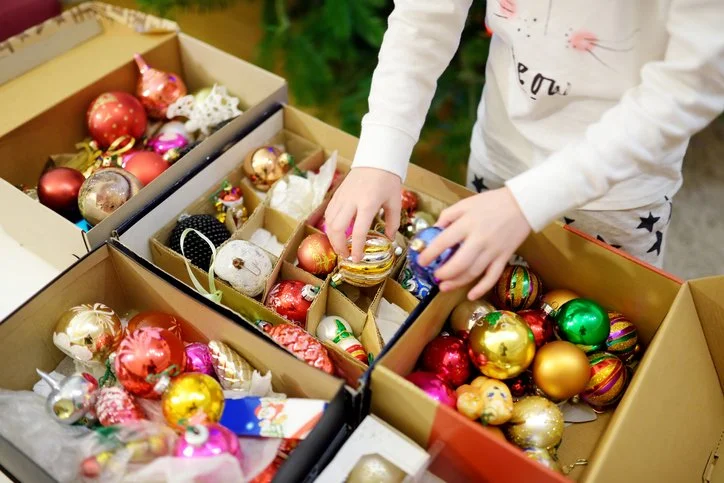
Properly storing your lights and decorations will make setup for next year much easier.
Make Next Year’s Setup Easier
The most useful Christmas light storage ideas are the ones you can repeat each season. Inspect each strand, wrap it loosely, label its location, and give it a dry place to stay. Those habits help preserve its condition and reduce the sorting and untangling between opening the bin and hanging your first lights.
Find Replacement Lights and Accessories at 1000Bulbs.com
If takedown reveals missing clips or failed bulbs, explore replacement C7/C9 bulbs, LED light strings, extension cords, clips, and timers at 1000Bulbs.com. Lighting specialists can help with product selection. Purchases include a 45-day satisfaction guarantee, subject to the return policy. For expert help, call: 1-800-624-4488.
Frequently Asked Questions
Can you leave outdoor Christmas lights up all year?
Outdoor-rated seasonal lights aren’t necessarily designed for permanent installation. Follow the manufacturer’s instructions and take seasonal sets down after the holidays to limit exposure to sun and weather.
Can you leave Christmas lights on all night?
Turn Christmas lights off before going to bed or leaving home. A compatible timer helps manage operating hours, but doesn’t replace inspection or following product instructions.
How long do Christmas lights last when properly stored?
Proper storage can help lights remain usable for multiple seasons, but there’s no universal lifespan. Product quality, operating hours, weather exposure, and handling all matter. LEDs generally have longer rated operating lives than incandescent bulbs, though wiring and other components can fail sooner.
Can you store indoor and outdoor Christmas lights together?
Yes, if both sets are clean, completely dry, and wrapped separately. Clearly label their ratings so indoor-only lights don’t get used outdoors next season.
What is the cheapest way to store Christmas lights without tangles?
Reuse sturdy shipping-box cardboard. Cut retaining notches, loosely wrap one strand around each piece, and label it. Pack the holders in a dry bin without crushing the bulbs.
Should you remove bulbs before storing Christmas lights?
Follow the manufacturer’s instructions. Many strings can be stored with bulbs installed. If removable glass bulbs need separate protection, place them in fitted or divided packaging, and never force out non-replaceable bulbs.