

The Complete Guide to LED Can Light Fixtures: How to Choose the Right Recessed Lighting
| What This Article Covers |
|---|
LED can light fixtures — also called recessed lighting, can lights, or downlights — offer clean, space-saving illumination for both residential and commercial spaces, but choosing the right fixture involves more decisions than most buyers expect. This guide explains how recessed lighting works from housing to trim, how to match fixture size to ceiling height and room type, and when IC ratings are a safety and code requirement rather than a preference. It also covers the difference between retrofit modules, remodel housings, and new construction housings; how to replace old incandescent, halogen, and CFL recessed cans with LED efficiently; and how to avoid the dimmer compatibility problems that cause most LED flickering complaints. Room-by-room fixture recommendations, a pre-purchase compatibility checklist, and a full FAQ section round out the guide. Best for: homeowners replacing outdated recessed cans, DIY remodelers, electricians, lighting contractors, facility managers, retail operators, and anyone planning a recessed lighting installation or LED retrofit. |
Updated 8/3/26 by 1000Bulbs Staff
Recessed lighting looks clean and simple from below. Behind the ceiling, the decisions are more complicated: housing types, insulation ratings, trim compatibility, dimming requirements, and retrofit methods that only work if the existing system can meet certain criteria.
Many homeowners start by trying to replace a bulb and quickly realize the problem is bigger than expected. The trim may not fit the new LED module. The housing may not be IC-rated. The dimmer switch may not work correctly with the new fixture.
In commercial spaces, the challenge becomes even more complex because control systems, voltage requirements, and code compliance all affect compatibility.
This guide explains every major recessed lighting decision point, including how LED can light fixtures work, how to choose the right size and trim type, when IC ratings matter, how retrofit recessed lighting works, and which recessed light fixtures perform best in different rooms and commercial environments.
What Are LED Can Light Fixtures?
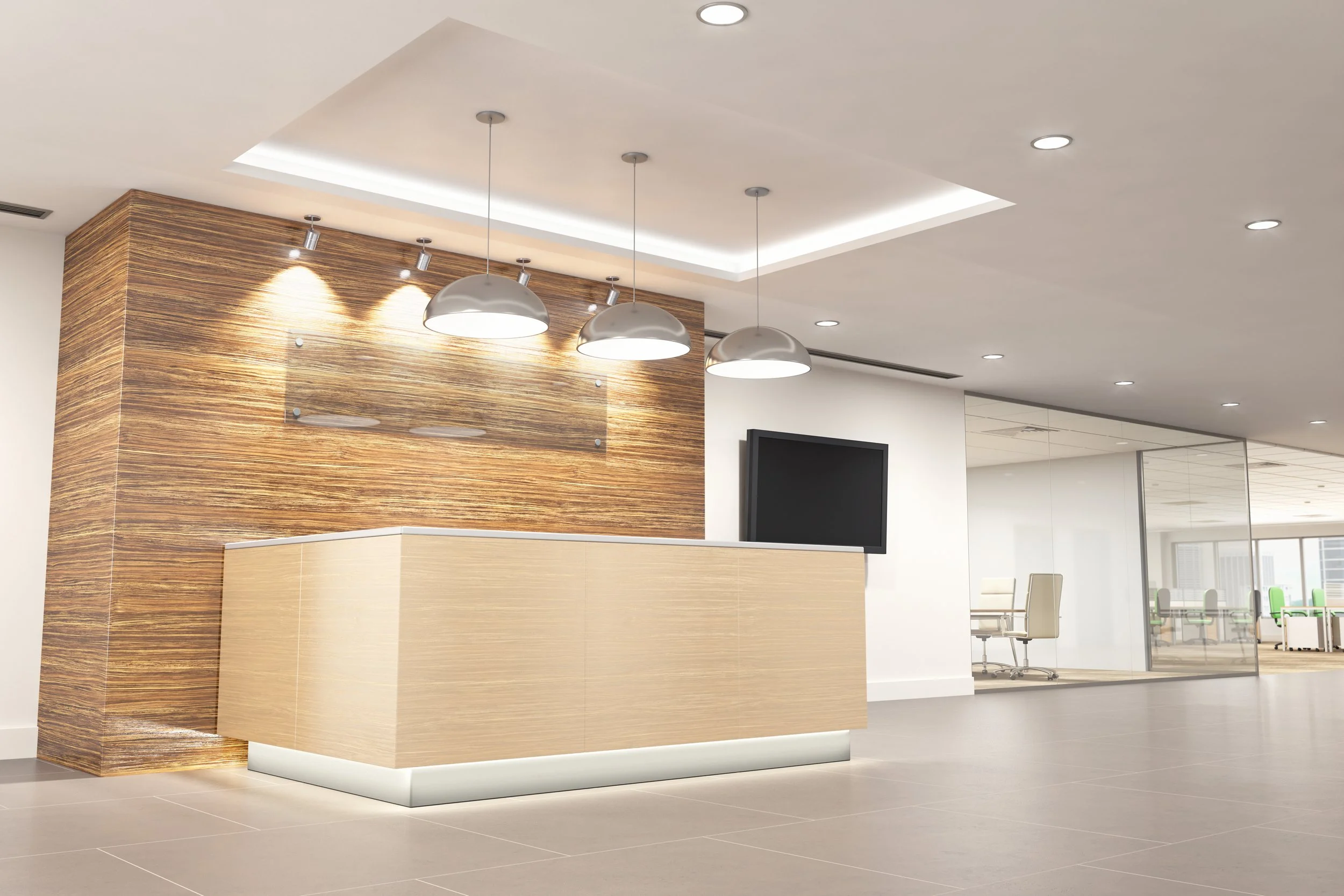
LED can light fixtures are recessed lighting systems installed inside a ceiling cavity so the visible portion of the fixture sits flush with or slightly above the ceiling plane.
The fixture body itself remains hidden above the drywall. From below, the only visible components are typically:
The trim
The aperture
The light source
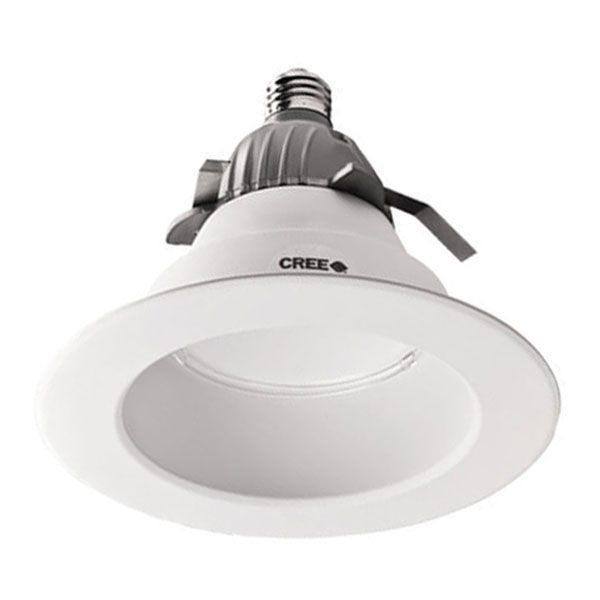
The term “can light” comes from the cylindrical metal housing installed above the ceiling. That housing contains the electrical components, mounting hardware, junction box, and sometimes the driver, depending on the fixture design.
Several terms are commonly used interchangeably:
Recessed lighting
Can lights
Recessed fixtures
Downlights
While they are closely related, there are slight technical differences.
“Recessed lighting” is the broad category describing any fixture installed inside the ceiling. “Can light” refers specifically to the cylindrical housing style. “Downlight” refers to any fixture directing light downward, including some surface-mounted fixtures in commercial environments.
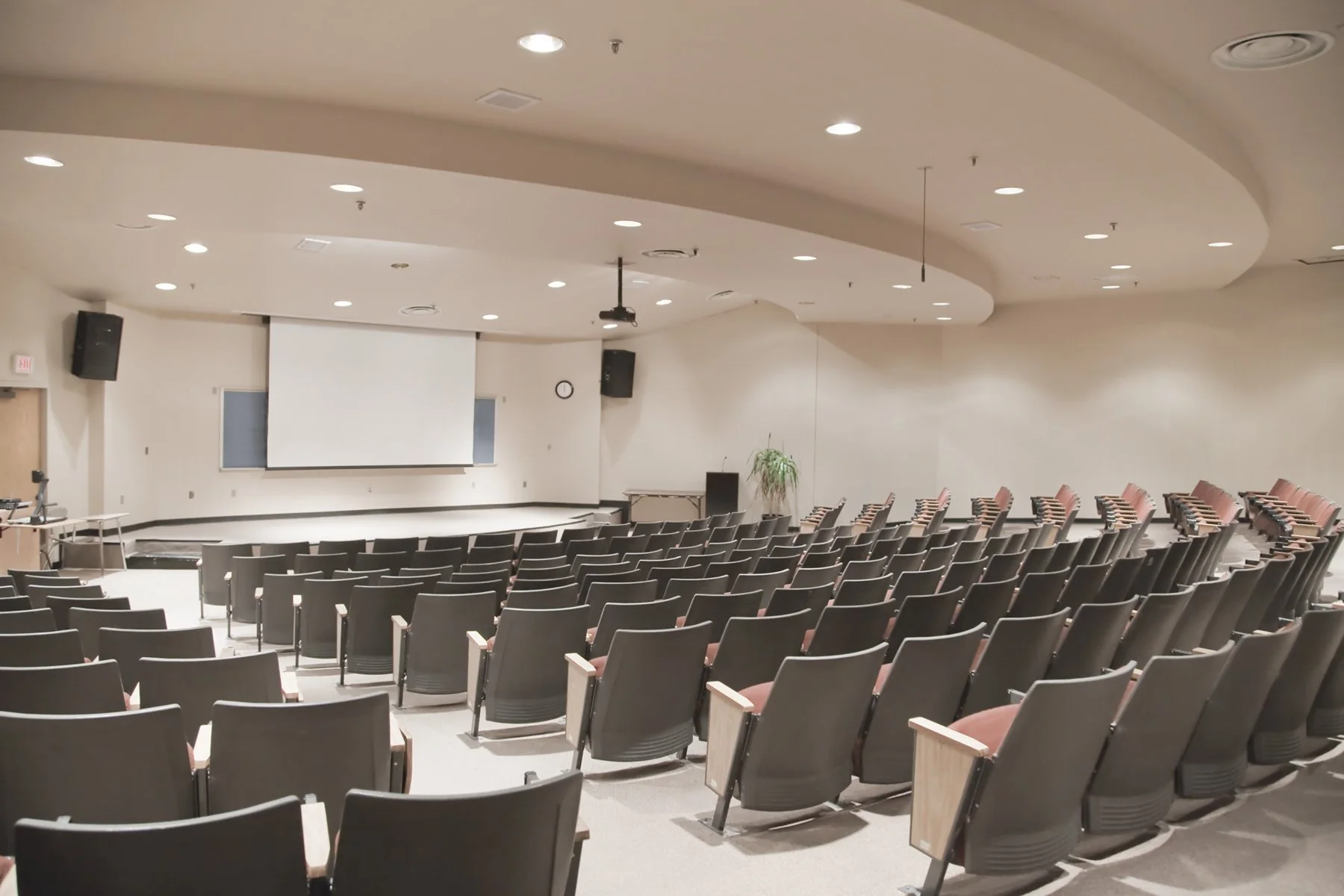
LED light fixtures are widely used in:
Kitchens
Living rooms
Hallways
Bathrooms
Offices
Retail stores
Hospitality spaces
Healthcare facilities
This is because they create a clean ceiling appearance without lowering headroom or visually cluttering the space.
LED technology has become the standard for recessed lighting because it solves many of the problems older incandescent, halogen, and CFL fixtures created.
Compared to older technologies, LED recessed lighting offers:
Lower energy consumption
Lower heat output
Longer lifespan
Better dimming performance
Improved color consistency
Reduced maintenance requirements
A modern 10-watt LED recessed downlight can often replace a traditional 65-watt incandescent recessed lamp while producing similar usable brightness with dramatically lower energy consumption.
Why LED Recessed Lighting Became the Standard
For decades, incandescent recessed lighting dominated residential construction.
Traditional recessed cans are commonly used:
BR30 lamps
PAR30 lamps
R20 flood lamps
These fixtures produced warm, familiar light, but they were inefficient and generated substantial heat inside the ceiling cavity.
A home with 10 recessed incandescent fixtures and 65-watt lamps could easily consume 650 watts just from recessed lighting alone.
Those lamps also required frequent replacement because incandescent bulbs generally lasted only 1,000 to 2,000 hours under normal residential use.
Halogen recessed lighting improved efficiency somewhat and produced cleaner color rendering, but halogen fixtures operated even hotter than standard incandescent lamps. In insulated ceilings, that heat became a significant concern for fixture safety and housing lifespan.
CFL recessed lighting addressed energy efficiency but introduced other frustrations.
Common CFL complaints included:
Slow warm-up times
Poor dimming performance
Bulky lamp shapes
Inconsistent color quality
Mercury disposal concerns
LED recessed lighting solved most of those problems simultaneously. It also arrived as federal energy efficiency regulations began phasing out many traditional lighting technologies. Today, most general-service incandescent and halogen light bulbs are no longer manufactured or sold in the United States because they do not meet current federal efficiency standards. Compact fluorescent (CFL) lamps are also being phased out as manufacturers transition to LED technology, and several states have enacted additional restrictions on the sale of fluorescent lamps because they contain mercury.
Modern LED can light fixtures typically offer:
25,000 to 50,000-hour rated lifespan
Instant full brightness
Lower operating temperatures
Better dimming compatibility
Higher efficacy
Reduced maintenance
Lighting Technology Comparison
| Factor | Incandescent | Halogen | CFL | LED |
|---|---|---|---|---|
| Typical lifespan | 1,000 to 2,000 hrs | 2,000 to 4,000 hrs | 8,000 to 15,000 hrs | 25,000 to 50,000 hrs |
| Heat output | Very high | Very high | Moderate | Low |
| Efficacy | 10 to 15 lm/W | 15 to 25 lm/W | 40 to 70 lm/W | 80 to 130+ lm/W |
| Dimming performance | Excellent | Good | Limited | Good when compatible |
| Startup speed | Instant | Instant | Slow warm-up | Instant |
| Maintenance frequency | Frequent | Frequent | Moderate | Rare |
For homeowners and commercial facilities alike, LED recessed lighting became the standard because it reduced energy consumption, maintenance, and heat while improving overall lighting quality.
The Anatomy of a Recessed Lighting Fixture
Understanding the individual parts of a recessed lighting fixture makes fixture selection dramatically easier.
Many compatibility problems happen because buyers assume all recessed fixtures work the same way. In reality, housings, trims, drivers, sockets, and retrofit modules all have specific compatibility requirements that affect installation and long-term performance.
Housing
The housing, sometimes called the can, is the metal enclosure installed inside the ceiling cavity.
This component contains:
Electrical connections
Mounting hardware
Thermal protection
Socket assemblies
Sometimes the LED driver
The housing determines several critical factors, including:
IC rating
Mounting method
Trim compatibility
Ceiling clearance requirements
Housings are not universally interchangeable between manufacturers, which is why trim compatibility must always be verified before purchasing replacement trims or retrofit recessed lighting modules.
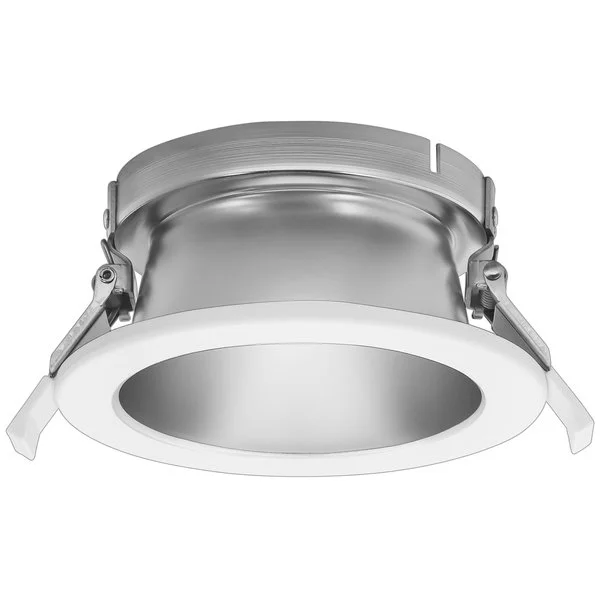
Trim
The trim is the visible portion of the recessed fixture from below the ceiling.
The trim ring:
Covers the drywall opening
Frames the aperture
Influences glare control
Shapes light distribution
Affects the finished appearance
Different trim styles create very different lighting effects even when paired with the same housing and lumen output.
Light Engine
In integrated LED recessed fixtures, the light engine is the built-in LED module producing the light output.
Unlike older bulb-based systems, integrated LED fixtures do not use replaceable lamps. The LED module is permanently integrated into the fixture assembly.
Bulb-based recessed lighting systems instead use replaceable lamps such as:
BR30
PAR30
GU10
MR16
Driver
LED fixtures use a driver to convert incoming AC household electricity into the low-voltage DC power that LEDs require. In most recessed LED fixtures, the driver is built directly into the housing or retrofit module, so homeowners typically do not need to purchase one separately.
For comparison:
Fluorescent fixtures relied on a ballast to regulate current, but ballasts are no longer used in modern LED fixtures.
Low-voltage lighting systems use transformers to reduce line voltage before powering the fixture. Like LED drivers, these components are typically integrated into the fixture or housing when required.
The quality of an LED driver can affect:
Dimming smoothness
Flicker performance
Fixture lifespan
Color consistency
Whether you're installing a dedicated LED recessed housing or an LED retrofit kit, the required driver is generally included as part of the fixture or module. Unless you're replacing a failed component in a commercial or specialty application, there's typically no need to purchase a separate driver.
Junction Box
The junction box is the electrical connection point where the building wiring connects to the fixture.
Recessed fixture junction boxes are designed to remain accessible from below the ceiling after trim removal because electrical code requires junction box accessibility.
Socket Adapter
Socket adapters are commonly used in retrofit recessed lighting applications.
These adapters allow integrated LED retrofit modules to connect directly to existing sockets inside older recessed housings without rewiring.
Common socket types include:
E26 medium base
GU24
Identifying the existing socket type is one of the most important steps before purchasing retrofit modules.
Baffle
Baffle trims use ribbed interior surfaces that absorb light striking at steep angles.
Those ribs help reduce glare and soften the appearance of the aperture when viewed from normal room positions.
Black baffles provide the strongest glare reduction, while white baffles produce slightly brighter output.
Reflector
Reflector trims use smooth metallic inner surfaces that direct more light outward into the room.
Compared to baffle trims, reflector trims produce:
Higher perceived brightness
Stronger directional light
More focused illumination
They are commonly used in:
Kitchens
Retail environments
Commercial spaces
Task-oriented areas
Aperture
The aperture is the visible opening size of the recessed fixture.
Common recessed lighting sizes include:
3-inch
4-inch
5-inch
6-inch
8-inch
Aperture size affects:
Beam spread
Ceiling appearance
Fixture density
Overall visual impact
Smaller apertures create a cleaner, modern appearance, while larger apertures generally provide broader ambient coverage.
Recessed Lighting Sizes Explained
Recessed lighting sizes are designated by the diameter of the visible opening, not the overall housing size above the ceiling.
A 6-inch recessed light fixture, for example, refers to a roughly 6-inch visible aperture. However, the actual housing above the ceiling is physically larger.
Fixture size affects both:
Lighting performance
Visual appearance
Larger fixtures generally spread light across a wider area and create a stronger ceiling presence. Smaller fixtures create a more subtle, modern appearance with tighter light distribution.
Common Recessed Lighting Sizes
| Size | Typical beam coverage | Best applications | Common ceiling height |
|---|---|---|---|
| 3-inch | 2 to 3 ft radius | Accent lighting, cabinets, hallways | 8 to 9 ft |
| 4-inch | 3 to 4 ft radius | Kitchens, modern residential spaces | 8 to 10 ft |
| 5-inch | 4 to 5 ft radius | Living rooms, bedrooms, offices | 9 to 10 ft |
| 6-inch | 5 to 6 ft radius | General residential lighting | 9 to 12 ft |
| 8-inch and larger | 6+ ft radius | Commercial and hospitality spaces | 10 ft and above |
4-Inch vs. 6-Inch Recessed Lighting
Four-inch recessed light fixtures have become increasingly popular in modern residential construction because they create a cleaner, less visually dominant ceiling layout.
They work especially well in:
Kitchens
Hallways
Bathrooms
Modern open-concept spaces
Six-inch fixtures remain the most common replacement size for older residential recessed cans installed over the past several decades.
They still perform well for:
General ambient lighting
Large living rooms
Open floor plans
Retrofit applications
Spacing Guidelines
Fixture spacing depends on:
Ceiling height
Beam angle
Lumen output
Room layout
Fixture spacing depends on ceiling height, beam angle, lumen output, and room layout.
One common recessed lighting guideline is to space fixtures approximately half the ceiling height apart. In a room with 9-foot ceilings, that usually means spacing recessed fixtures roughly 4 to 4.5 feet apart to create balanced illumination without excessive bright spots or dark gaps.
However, spacing should always be adjusted based on the fixture’s beam spread and the type of lighting the room requires. Narrow beam fixtures used for accent lighting may require tighter spacing, while wider beam fixtures designed for ambient coverage can often be placed farther apart.
If you're planning a new installation and aren't sure how many recessed lights you need or how far apart they should be, many 1000Bulbs recessed lighting product pages include a Lighting Layout Tool that helps estimate fixture quantity and spacing based on your room's dimensions. You can also contact one of our U.S.-based lighting experts at 1-800-624-4488 for personalized layout recommendations before purchasing.
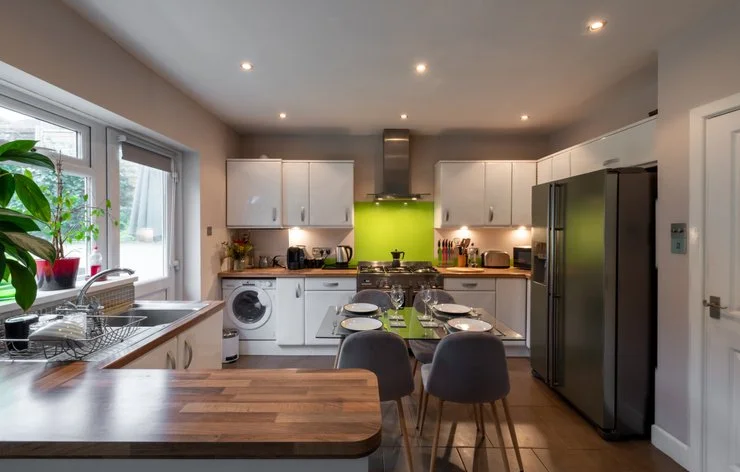
Choosing the Right Recessed Lighting Size
If you're replacing existing recessed lighting, the easiest approach is usually to match the size of your current housing. Installing the same size trim or retrofit kit helps ensure a proper fit and minimizes installation work. If you're unsure of the housing size, remove the trim and measure the diameter of the existing opening before purchasing a replacement.
For new installations, the best fixture size depends on the room, ceiling height, and lighting goals.
4-inch recessed fixtures work well for modern residential spaces and provide a clean, streamlined appearance.
6-inch recessed fixtures remain the most versatile choice for general ambient lighting in larger rooms.
3-inch recessed fixtures are ideal for accent lighting, artwork, shelving, and other decorative applications.
Larger recessed fixtures are typically used in commercial or industrial environments where broader light distribution is needed.
Retrofit vs. New Construction Recessed Lighting
One of the most important recessed lighting decisions is determining whether the project involves:
Existing finished ceilings
Or open new construction access
That answer determines which installation method and fixture type are appropriate.
New Construction Housings
New construction recessed housings are designed for installation before drywall is installed.
These housings mount directly to ceiling joists using adjustable bar hangers that allow precise positioning before the ceiling plane is finished.
New construction housing is the correct choice for:
New homes
Major remodels
Basement finishing projects
Open-ceiling renovations
They provide:
Stronger mounting support
Greater positioning flexibility
Easier wiring access
Remodel Housings
Remodel housings, sometimes called old work housings, are designed for installation into existing finished ceilings without attic access.
They install through a ceiling cutout and secure themselves using:
Spring clips
Expanding brackets
Compression tabs
Remodel housings are commonly used when:
Replacing older fixtures
Adding recessed lighting to existing rooms
Updating older non-IC housings
Retrofit Recessed Lighting Modules
Retrofit recessed lighting modules are integrated LED fixtures designed to install directly into existing recessed housings. Unlike traditional recessed lights that use separate bulbs, these all-in-one systems combine the LED light engine, driver, and trim assembly into a single unit. Installation is typically straightforward and involves removing the old bulb and trim, connecting the included socket adapter, and snapping the new module into place. For most residential applications, the entire retrofit process takes less than 10 minutes per fixture, making it one of the quickest ways to upgrade to energy-efficient LED lighting.
Retrofit vs. Remodel vs. New Construction
| Feature | Retrofit module | Remodel housing | New construction housing |
|---|---|---|---|
| Ceiling access required | No | No | Yes |
| Existing housing required | Yes | No | No |
| Installation time | Very fast | Moderate | Fast during open construction |
| Upfront cost | Lower | Moderate | Moderate |
| Best application | LED conversion | Finished ceiling remodels | New construction |
For most homeowners replacing older incandescent recessed lighting, retrofit LED modules are the fastest and most cost-effective upgrade path because they avoid housing replacement entirely while dramatically improving efficiency and lighting quality.
IC-Rated vs. Non-IC-Rated Recessed Lighting
One of the most important recessed lighting safety decisions involves whether the fixture is:
IC-rated
Or non-IC-rated
This distinction determines whether the housing can safely come into direct contact with insulation inside the ceiling cavity.
Many homeowners overlook this entirely until they discover:
Overheating problems
Tripped thermal protection
Energy loss
Or failed inspections
What Does IC-Rated Mean?
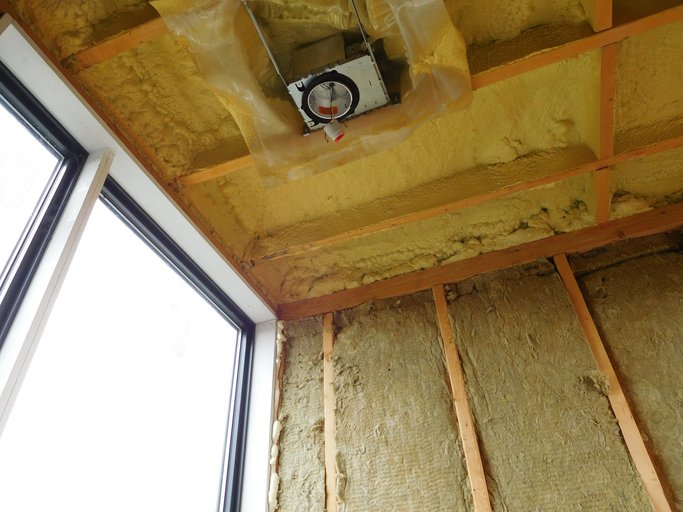
“IC” stands for Insulation Contact. An IC-rated recessed housing is specifically designed and tested to safely operate while touching insulation.
These housings use thermal protection systems and lower-temperature designs that prevent excessive heat buildup inside insulated ceiling assemblies.
IC-rated recessed fixtures are required in many modern residential ceilings because insulation frequently surrounds the housing from multiple directions.
Common insulated ceiling applications include:
Attic ceilings
Second-story ceilings
Vaulted ceilings
Energy-efficient new construction
Spray foam-insulated ceilings
Without an IC-rated housing, insulation must be kept away from the fixture to reduce fire risk and overheating.
What Is a Non-IC-Rated Fixture?
Non-IC-rated recessed housings are not designed for direct insulation contact.
These fixtures generate higher operating temperatures and require clearance around the housing to allow heat dissipation.
Most electrical codes require at least 3 inches of clearance between non-IC housings and surrounding insulation.
In older homes, many recessed fixtures were installed before modern insulation and energy standards became common. Over time, attic insulation may have shifted or been added around non-IC fixtures accidentally, creating potential overheating concerns.
Why IC Ratings Matter With LEDs
LED recessed lighting produces substantially less heat than older incandescent and halogen systems, but IC ratings still matter.
Even integrated LED recessed fixtures generate:
Driver heat
Thermal load inside the housing
Long-term operating temperatures
Improper thermal management can reduce:
Driver lifespan
LED lifespan
Dimming performance
Fixture reliability
Modern IC-rated LED recessed fixtures help maintain safer operating temperatures while preserving long-term fixture performance.
Airtight Recessed Lighting
Many IC-rated recessed fixtures are also airtight (AT) rated, which helps improve a home's overall energy efficiency. Airtight housings reduce airflow between conditioned living spaces and unconditioned attic areas. Older recessed cans often allow heated or cooled air to escape through housing gaps, ventilation openings, and unsealed trim assemblies, forcing your HVAC system to work harder. That air leakage can increase energy bills, reduce indoor comfort, and contribute to moisture issues in the attic. By minimizing conditioned air loss through the ceiling plane, airtight LED recessed fixtures help improve energy efficiency while supporting a more comfortable indoor environment.
Recessed Lighting Trim Styles Explained
Trim style affects both the appearance and performance of recessed lighting.
The trim controls:
Glare
Beam shape
Visual aesthetics
Ceiling integration
Light distribution
Two fixtures with identical lumen output can look completely different depending on the trim style installed.
Baffle Trims
Baffle trims use ribbed interior surfaces designed to absorb stray light and reduce glare.
The ribbed texture softens the appearance of the aperture and helps make the fixture more visually comfortable when viewed from normal room angles.
Baffle trims are commonly used in:
Living rooms
Bedrooms
Hallways
Media rooms
Black baffles provide stronger glare reduction, while white baffles generally produce slightly brighter perceived output.
Reflector Trims
Reflector trims use smooth reflective inner surfaces that direct more light outward into the room.
Compared to baffle trims, reflector trims create:
Brighter appearance
Stronger directional output
Higher visual intensity
They are commonly used in:
Kitchens
Commercial spaces
Task-oriented rooms
Retail environments
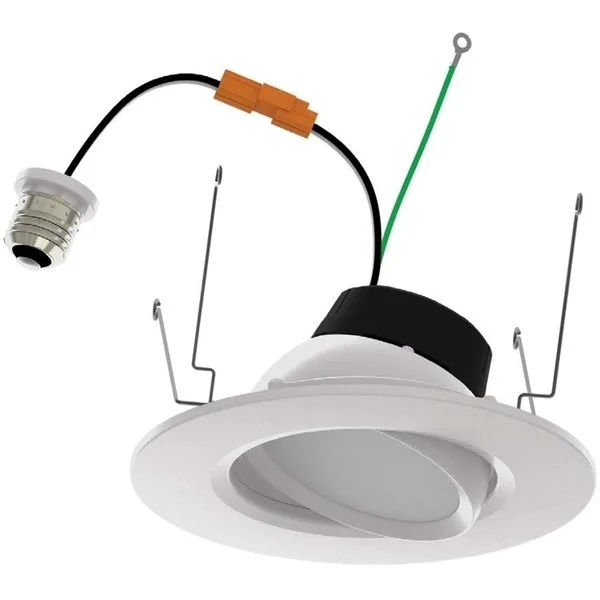
Adjustable Gimbal Trims
Gimbal trims allow the light source to tilt and rotate inside the trim assembly.
These fixtures are commonly used for:
Accent lighting
Artwork illumination
Sloped ceilings
Wall washing
Directional highlighting
Instead of projecting light straight downward, gimbal fixtures allow the beam direction to be adjusted after installation.
Wall Wash Trims
Wall wash trims use partial shielding and asymmetric optics to spread light more evenly across vertical surfaces.
These trims are commonly used to illuminate:
Artwork
Retail displays
Textured walls
Feature surfaces
Shelving
Proper wall washing creates smoother vertical illumination than standard downlights pointed toward a wall.
Shower Trims
Shower trims use sealed lens assemblies designed for damp or wet environments.
These trims are commonly installed in:
Showers
Bathrooms
Covered outdoor ceilings
Spa environments
Wet-rated fixtures should always be used where direct moisture exposure is possible.
Color Temperature and CRI for Recessed Lighting
Color temperature dramatically changes how recessed lighting feels inside a room.
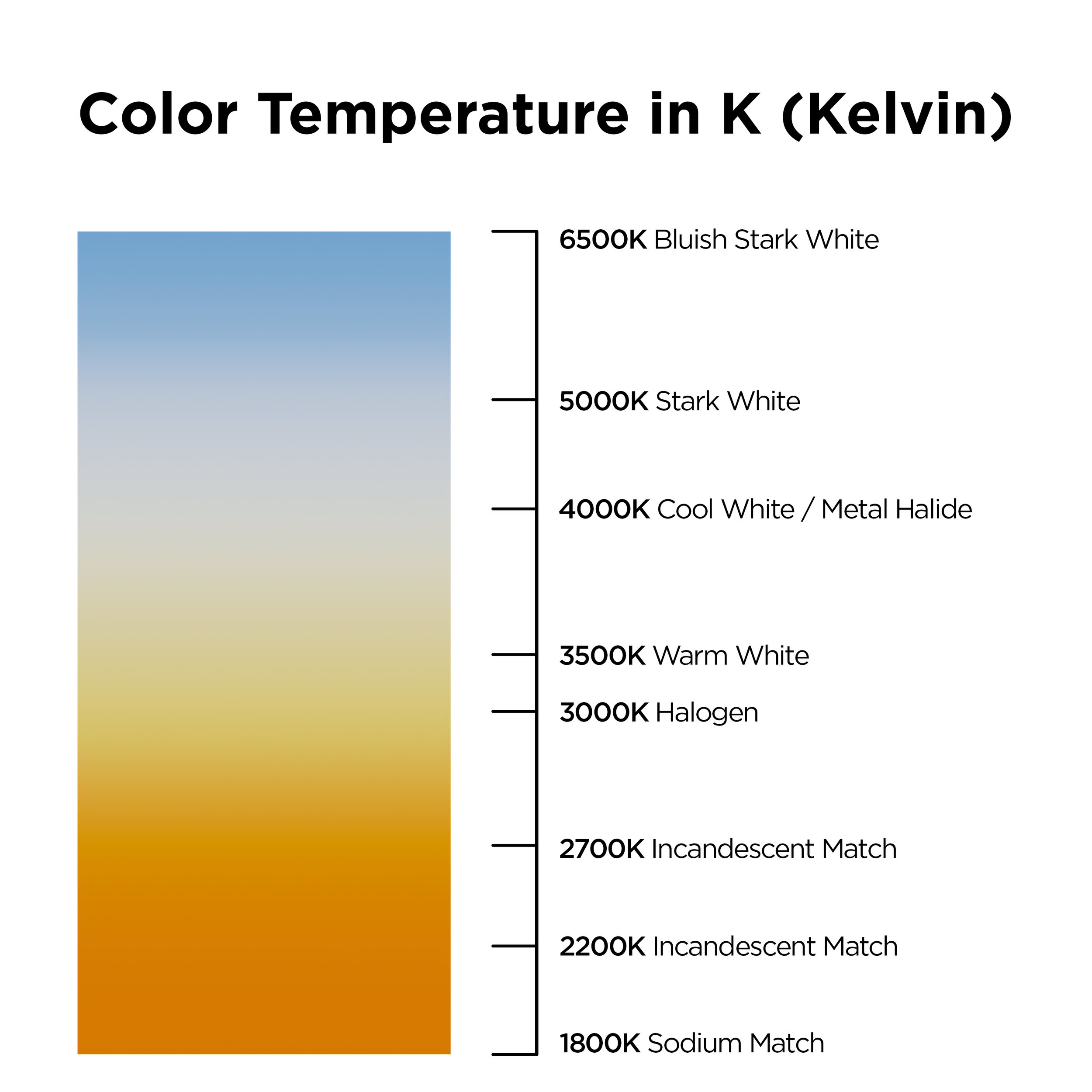
Measured in Kelvin (K), color temperature determines whether the light appears:
Warm
Neutral
Cool
The same room can feel completely different depending on the selected color temperature.
Warm White Lighting
Warm white lighting between 2700K and 3000K creates a softer, more comfortable atmosphere similar to traditional incandescent lighting.
This range is commonly used in:
Living rooms
Bedrooms
Dining rooms
Hospitality spaces
2700K is typically the warmest common residential recessed lighting option and closely resembles classic incandescent lamps.
Neutral White Lighting
Neutral white lighting around 3500K to 4000K balances warmth with clarity.
This range works especially well in:
Kitchens
Bathrooms
Offices
Commercial interiors
Cool White Lighting
Cool white lighting between 4000K and 5000K creates a brighter, more alert atmosphere associated with visibility and cleanliness.
This range is commonly used in:
Retail spaces
Healthcare facilities
Garages
Utility rooms
Commercial environments
Why CRI Matters
CRI stands for Color Rendering Index. CRI measures how accurately a light source renders colors compared to natural light.
Low-CRI lighting can make:
Skin tones appear dull
Paint colors shift
Fabrics lose vibrancy
Food presentation look unnatural
Most quality residential recessed lighting should target CRI 90 or higher, especially in kitchens, bathrooms, retail spaces, and hospitality environments where color accuracy matters visually.

Tunable and Selectable Color Temperature Fixtures
Many modern LED recessed fixtures now offer:
Selectable color temperature switches
Tunable white systems
Selectable fixtures allow installers to choose between preset Kelvin settings during installation, while tunable systems allow users to dynamically adjust color temperature over time.
These systems are especially useful in:
Multi-use spaces
Remodel projects
Commercial interiors
Smart home environments
Dimming Compatibility and Recessed Lighting Controls
One of the most common frustrations with LED recessed lighting involves dimming problems.
Homeowners often replace older incandescent recessed fixtures with LED modules only to discover:
Flickering
Popping
Limited dimming range
Delayed startup
Lights that never fully turn off
In most cases, the problem is not the LED fixture itself. The issue is dimmer compatibility.
Why Older Dimmers Fail with LEDs
Traditional incandescent dimmers were designed around much higher electrical loads.
A circuit using six 65-watt incandescent recessed lamps created a total connected load of roughly 390 watts. After converting that same circuit to six 10-watt LED recessed fixtures, the total load may drop to only 60 watts.
Older dimmers often struggle to regulate those lower electrical loads properly because they were originally engineered for incandescent lamps rather than modern LED drivers and electronic power conversion systems.
This mismatch can create:
Flickering
Audible buzzing
Dead travel zones on the dimmer
Inconsistent brightness levels
LED-Compatible Dimmers
Most modern LED recessed lighting systems require LED-rated dimmer switches.
These dimmers are specifically designed to communicate properly with LED drivers and maintain smoother low-end dimming performance.
However, compatibility is still not universal.
Even LED-rated dimmers may not work perfectly with every fixture because:
Driver design varies by manufacturer
Minimum load requirements differ
Dimming protocols vary between systems
This is why manufacturers publish:
Dimmer compatibility lists
Approved dimmer models
Tested performance charts
Triac vs. 0-10V Dimming
Most residential recessed lighting systems use TRIAC dimming, which is the standard wall-dimmer method used in homes.
Commercial recessed lighting systems more commonly use 0-10V dimming, especially in:
Offices
Retail stores
Hospitality environments
Large commercial facilities
0-10V systems provide smoother low-end dimming and easier integration with:
Smart controls
Occupancy sensors
Lighting automation systems
However, they require additional low-voltage control wiring not typically found in residential installations.
Smart Recessed Lighting Controls
Many modern LED can light fixtures now integrate with:
Smart home systems
Wireless dimmers
Voice assistants
Mobile apps
Smart recessed lighting systems allow users to:
Adjust brightness remotely
Schedule lighting scenes
Change color temperature
Automate occupancy-based lighting
Group fixtures into zones
Some integrated smart downlights eliminate the wall dimmer entirely by using app-based control systems instead.
Wet-Rated vs. Damp-Rated Recessed Lighting
Moisture exposure is another recessed lighting factor many buyers misunderstand.
Not every recessed fixture can safely operate in bathrooms, showers, exterior soffits, or covered outdoor ceilings.
Fixture ratings matter because moisture exposure affects:
Electrical safety
Corrosion resistance
Lens sealing
Driver lifespan
Long-term reliability
Damp-Rated Recessed Lighting
Damp-rated recessed fixtures are designed for environments with:
Humidity
Condensation
Occasional moisture exposure
Damp-rated fixtures are commonly used in:
Bathrooms outside shower zones
Laundry rooms
Covered patios
Basements
Utility rooms
A damp-rated fixture can safely operate in humid air, but direct water spray may still damage the fixture.
Wet-Rated Recessed Lighting
Wet-rated recessed fixtures are specifically designed for direct water exposure.
These fixtures use:
Sealed lens assemblies
Protected electrical components
Moisture-resistant housings
Wet-rated recessed fixtures should be used in:
Shower ceilings
Exterior soffits exposed to rain
Outdoor overhangs
Pool environments
Spa areas
Using a damp-rated fixture in a wet location may violate electrical code and create long-term safety issues.
Outdoor Recessed Lighting Considerations
Exterior recessed lighting also requires attention to:
Corrosion resistance
Temperature ratings
UV exposure
Wind-driven moisture
Coastal environments can be especially hard on recessed fixtures because salt exposure accelerates corrosion on:
Trim finishes
Lens hardware
Internal electrical components
Outdoor-rated recessed fixtures designed specifically for harsh environments generally hold up far better over time than standard indoor housings adapted for exterior use.
Common Recessed Lighting Mistakes
Many recessed lighting problems come from planning mistakes rather than fixture quality.
Here are some of the most common recessed lighting issues seen in residential and commercial projects:
| Mistake | Why It Causes Problems |
|---|---|
| Using too few fixtures | Large spacing gaps create uneven illumination and dark zones throughout the room. |
| Ignoring beam angle | Wide flood optics behave very differently from narrow spot distributions. Incorrect beam selection often creates glare or poor coverage. |
| Mixing color temperatures | Combining 2700K and 5000K fixtures in the same space without intentional design planning can make rooms feel visually inconsistent. |
| Installing non-IC fixtures in insulated ceilings | Improper housing selection may create overheating risks and code violations. |
| Reusing incompatible dimmers | Older incandescent dimmers frequently cause LED flickering and unstable dimming performance. |
| Choosing low-CRI fixtures | Poor color rendering can make interiors feel dull and affect how paint, fabrics, countertops, and skin tones appear. |
| Over-lighting rooms | Excessive fixture density can create harsh ceilings and uncomfortable brightness levels. |
| Skipping airtight housings | Older recessed cans often leak conditioned air into attic cavities, reducing HVAC efficiency. |
Many of these problems are difficult and expensive to correct after drywall work is complete, which is why recessed lighting layouts should always be planned carefully before installation begins.
The Right Recessed Lighting Creates Cleaner, More Flexible Spaces
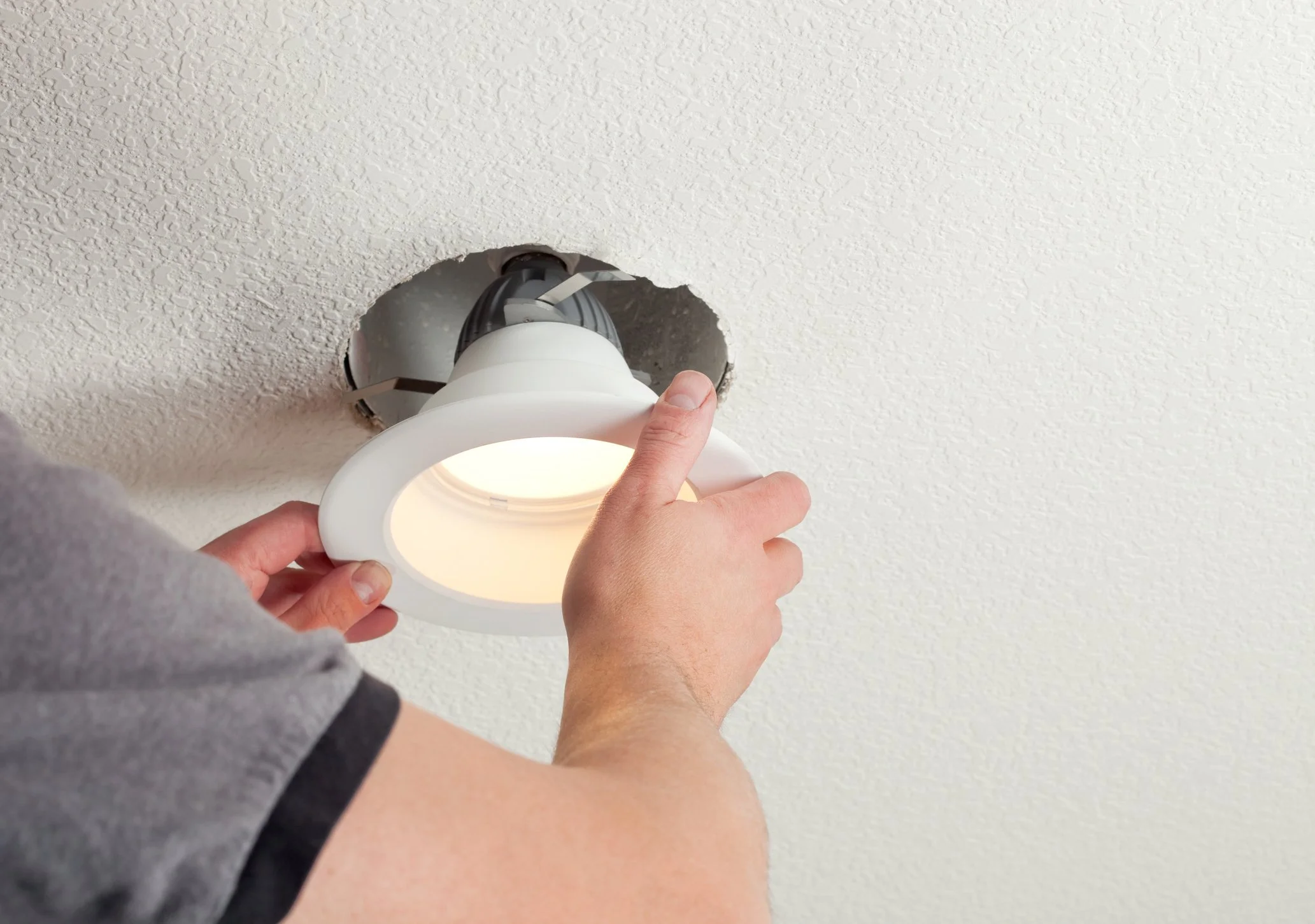
The right recessed lighting does more than brighten a room. The size, trim style, color temperature, beam angle, dimming capabilities, and housing type all influence how comfortable, functional, and inviting a space feels. Choosing fixtures that work together creates balanced lighting while maintaining a clean, uncluttered ceiling.
Modern LED recessed lighting has become the preferred choice for both homes and businesses because it uses less energy, lasts significantly longer than older technologies, and requires less maintenance. Whether you're replacing outdated recessed cans, remodeling a room, planning new construction, or upgrading commercial lighting, selecting compatible fixtures from the start can help prevent installation challenges and costly changes later.
At 1000Bulbs, you'll find a wide selection of LED recessed lighting solutions for virtually any application, including retrofit downlights, new construction housings, commercial recessed fixtures, dimmable LED modules, wet-rated trims, and smart lighting-compatible systems. If you have questions about fixture sizing, spacing, compatibility, or product selection, our U.S.-based lighting experts are available to help. Call 1-800-624-4488, Monday through Friday, from 7 a.m. to 5 p.m. CST, for personalized guidance.
FAQs
What Is The Difference Between Recessed Lighting And Can Lights?
Recessed lighting is the general category for fixtures installed inside the ceiling cavity. “Can light” specifically refers to recessed fixtures that use cylindrical housing cans above the ceiling.
Are LED Recessed Lights Better Than Traditional Bulbs?
LED recessed fixtures generally offer lower energy consumption, longer lifespan, lower heat output, and reduced maintenance compared to incandescent, halogen, and CFL recessed lighting systems.
What Size Recessed Lighting Should I Use?
Four-inch recessed fixtures work well for modern residential spaces, while 6-inch fixtures remain the most common general-purpose option for ambient lighting and retrofit applications.
What Does IC-Rated Mean For Recessed Lighting?
IC-rated recessed housings are designed to safely come into direct contact with insulation inside ceiling cavities.
Can I Put LED Retrofit Lights Into Old Recessed Cans?
In many cases, yes. Retrofit LED recessed modules are specifically designed to install into existing recessed housings using socket adapters and integrated trim assemblies.
Why Do LED Recessed Lights Flicker With Dimmers?
Flickering usually happens because the dimmer switch is not compatible with the LED driver inside the fixture. LED-rated dimmers are typically required for smooth dimming performance.