
How Long Do LED Lights Really Last? Understanding Lifetime Ratings
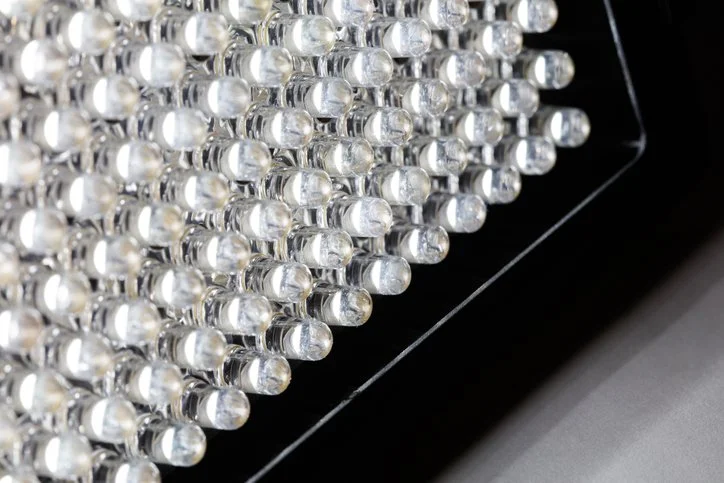
Closeup of LED diode array on a flood light fixture
Light-emitting diodes (or LEDs) have become incredibly popular for homes and businesses thanks to their energy efficiency and longevity. But really, how long do LED lights last? With so many claims and technical terms floating around, it’s easy to get confused. In this post, we’ll break down what LED lifetime ratings actually mean, bust common myths, and help you understand how to get the most from your LED bulbs and fixtures.
What Does “LED Lifetime” Actually Mean?
When manufacturers say an LED has a “lifetime” or "life hours" of 25,000 or 50,000 hours, it can sound like the light bulb or fixture will stop working after that many hours of use. In reality, life-hour ratings for LEDs generally refer to the time it takes for the light output to dim to about 70% of its original light output. This standard set by the US Department of Energy is called the “L70” rating.
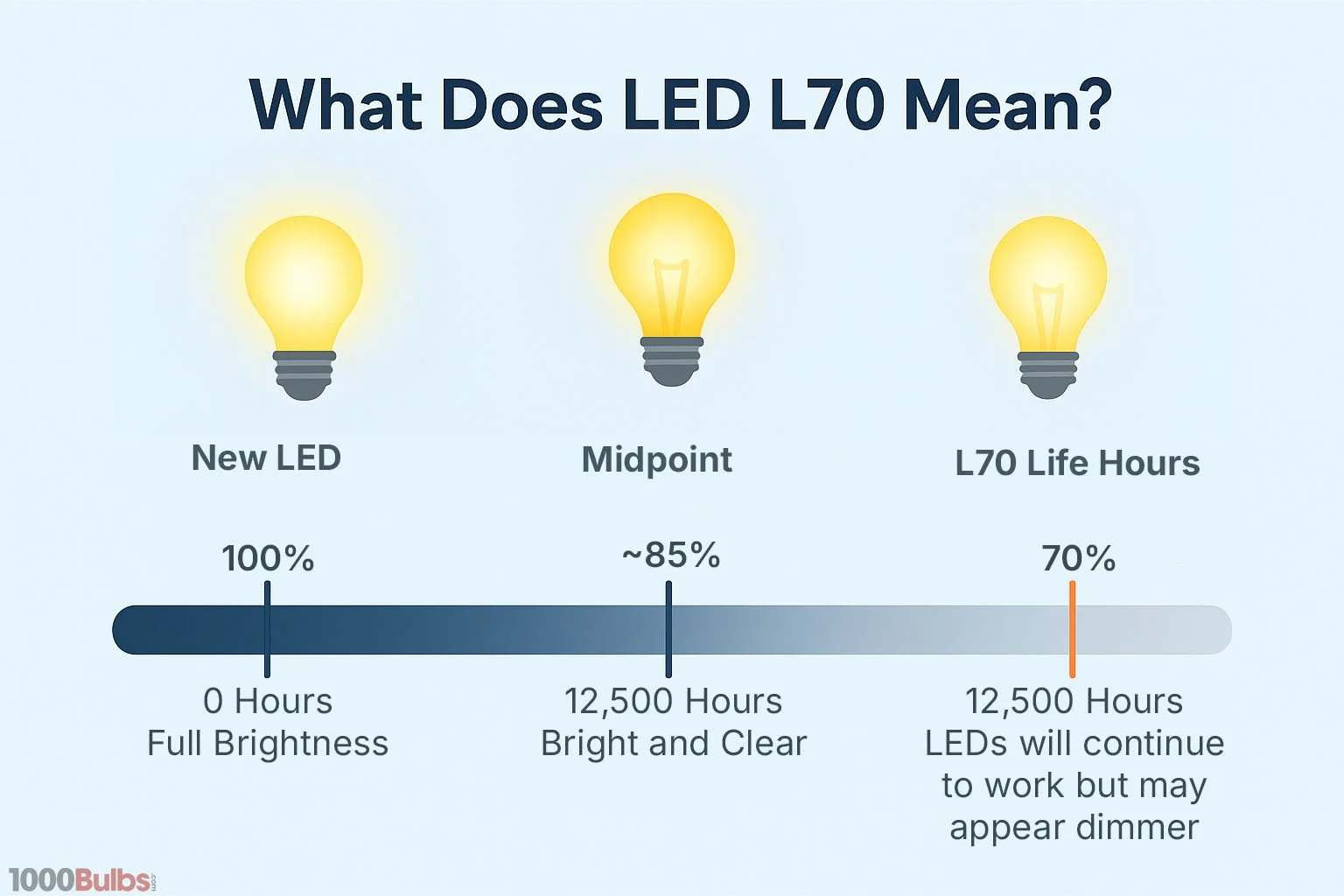
Example L70 timeline for an LED lamp
This means the diodes in your LED bulb or fixture may still be producing light after 25,000 hours, but it won’t be as bright as when new. Unlike incandescent light bulbs that often burn out suddenly, LEDs tend to fade gradually over time. Manufacturers and retailers will call this rating out, usually denoting it as "LED L70 Life Hours" or "L70 Life Hours". You may see LED products that do not denote L70 in the listed life hours. In these cases, the overall life expectancy is shown. This includes the LEDs, components, and other factors.
To reiterate, the LED L70 rating specifically covers the LEDs only, indicating how long it takes them drop to 70% of the original light output. Average life expectancy for the light bulb or fixture as a whole will be impacted by additional factors, which we will discuss in the next section.
Lumen Depreciation: Also called luminous decay, lumen depreciation is the term used to describe the loss of light output.
Usage and electricity issues can shorten the life of an LED light source
Factors That Influence LED Lifespan
Several factors can affect the life span of LEDs, as well as the light bulbs and fixtures they are used in. Here are some of the most common:
Usage Patterns: How often you use a bulb or fixture will affect how quickly it reaches its rated lifespan. For instance, a table lamp used throughout the day and evening will not last as long as a nightlight used infrequently.
LED Quality: Bulbs with higher-quality LEDs and components usually last longer than those made with inexpensive parts.
Environment: Exposure to excessive heat, humidity, and water can shorten LED life.
Electrical Conditions: As with any electronic device, voltage fluctuations, power surges, poor wiring, and other electrical issues may damage LEDs prematurely. Pairing LED light bulbs and fixtures with incompatible dimmers can also cause premature bulb failure.
Common Myths About LED Lifespan
There are many fairly well-known myths out there about LEDs and life hours. Let's take a look at four of the most common ones we hear:
Myth #1: “LEDs last forever.”
While LEDs are long-lasting, they do not last forever. As we have mentioned, they eventually lose their brightness. It takes longer than other types of lighting, such as halogen bulbs and incandescent bulbs. Eventually, the emitted light will decrease enough to need replacing.
Myth #2: “LEDs burn out like incandescent bulbs.”
You are probably pretty familiar with what happens when an incandescent bulb goes out. There's a bright flash of light, leaving you with a dead bulb. LED technology is very different, as most LEDs gradually dim over time. This loss in light output is barely perceptible and is usually only noticed when the bulbs become noticeably dimmer.
Now, there are times when an LED light bulb or fixture will fail prematurely and not light. In most cases, this happens due to failed components (drivers, circuits, etc), outside factors, or electrical issues as explained earlier.
Myth #3: “All LED lights have the same lifespan.”
Not all LEDs are created equal when it comes to lifespan. The life expectancy of an LED varies depending on its component quality, manufacturing quality, design, and intended use. Take a look at the table below comparing three sets of LED products:
| Bulb/Fixture Type | Brand | SKU | Lumens | CCT | Life Hours | Notes |
|---|---|---|---|---|---|---|
| LED A19 Bulb | Bulbrite | BULBRI-776400 | 850 | 2700K | 15,000 | Dimmable, High CRI, 5-Year Warranty |
| PLT | PLTS-12217 | 750 | 2700K | 10,000 (L70) | 1-Year Warranty | |
| 90+ Lighting | PLT-12557 | 800 | 2700K | 25,000 (L70) | High CRI, Dimmable, 3-Year Warranty | |
| LED Corn Bulb | PLT | PLTS-12055 | 6975 | 3000K | 100,000 (L70) | 3-Year Warranty |
| TCP | TCP-10395 | 5850 | 5000K | 50,000 | 5-Year Warranty | |
| Satco | SATCO-S39751 | 5600 | 5000K | 50,000 | Adjustable Panels, 5-Year Warranty | |
| LED Linear High Bay | PLT | PLT-80034 | 14,280 | 5000K | 100,000 (L70) | Dimmable, DLC Premium 5.1, 5-Year Warranty |
| Halco | HALCO-36104 | 14,960 | 5000K | 50,000 (L70) | Dimmable, DLC Premium 5.1, 5-Year Warranty | |
| Lithonia Lighting | LITH-1019 | 14,950 | 5000K | 100,000 (L70) | Dimmable, DLC Premium 5.1, 5-Year Warranty |
As you can see, the life spans between all of these products vary greatly. Indoor residential LED light bulbs typically last at least 25,000 hours under controlled conditions, whereas commercial products will have longer rated lifespans. However, keep in mind that LED bulbs and fixtures made for outdoor, industrial, or specialized applications often face harsher environments—like temperature extremes, moisture, and vibration—that can reduce their lifespan regardless of the rated hours.
Additionally, factors like heat management within the fixture, the quality of the LED driver, and daily usage patterns, such as frequent on/off cycling or dimming, can play a key role in how long LED lights last. Specialized LEDs, like those used for high-output or grow lighting, may prioritize performance over longevity.
Myth #4: "LEDs don't last as long as advertised."
There’s a common myth that LEDs don’t live up to their long lifespan claims, but in reality, they last much longer than traditional lighting. Here’s how they compare:
Incandescent bulbs last about 1,000 hours
Halogen bulbs last 2,000–4,000 hours
CFLs last around 8,000–10,000 hours
LEDs can last 25,000 to 50,000 hours or more
This means LEDs can last 25 to 50 times longer than incandescents and 2 to 5 times longer than CFLs or halogens.
LEDs last so long because they use solid-state technology with no fragile filaments, generate less heat, and are more durable against shocks and wear. Unlike traditional bulbs that fail suddenly, LEDs gradually dim over time, allowing for predictable lifetime ratings.
Though real-world factors like usage and environment affect lifespan, quality LEDs used properly will reliably reach their advertised hours, making them a smart, cost-effective lighting choice.
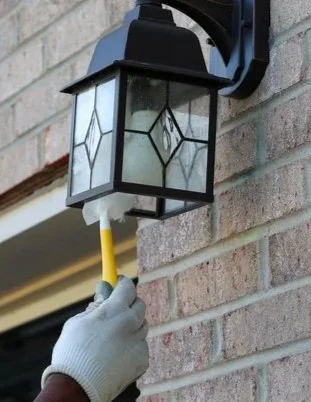
Protecting against power spikes and regular cleaning can help extend the life of your light sources
How to Maximize the Life of Your LED Lights
To get the most out of your LED light bulbs and fixtures, proper installation and usage are key. One important factor to consider is heat management. LEDs are sensitive to high temperatures, which can significantly shorten their lifespan. Installing bulbs in well-ventilated fixtures or open areas allows heat to dissipate effectively, helping to maintain optimal operating conditions. Avoid using LED lamps in fully enclosed fixtures unless they are specifically rated for such use.
Lighting Tip: Most LED bulbs and fixtures have safety ratings and certifications indicating where and under what conditions they can be used. To learn more about these ratings, read our blog posts about enclosed fixture ratings and safety certifications.
Another critical aspect is electrical compatibility. If you are using dimmable LED lights or fixtures, it’s essential to pair them with compatible dimmer switches designed for LED technology. Incompatible dimmers can cause flickering, buzzing, or even premature failure of the lamp. Additionally, protecting your fixtures and wiring from voltage spikes with surge protectors can further safeguard your LEDs from unexpected electrical damage.
Regular maintenance also helps extend LED life. Keeping lamps and fixtures clean from dust and debris ensures efficient heat dissipation and optimal light output. Be sure to follow the manufacturer’s installation instructions carefully, as improper handling or installation can affect performance and durability.
Comparing LED Light Lifetime with Other Bulbs
To put things in perspective:
Incandescent bulbs usually last about 1,000 hours.
Halogen light bulbs typically last between 2,000 to 4,000 hours.
Compact Fluorescent (CFL) bulbs last around 8,000 to 10,000 hours.
LED bulbs generally have lifespans of 25,000 hours or more.
LED fixtures often have similarly long lifespans, typically ranging from 25,000 to 50,000 hours, depending on the design and quality of components. High-quality commercial fixtures can easily exceed that range, lasting from 70,000 to 100,000 hours or more.
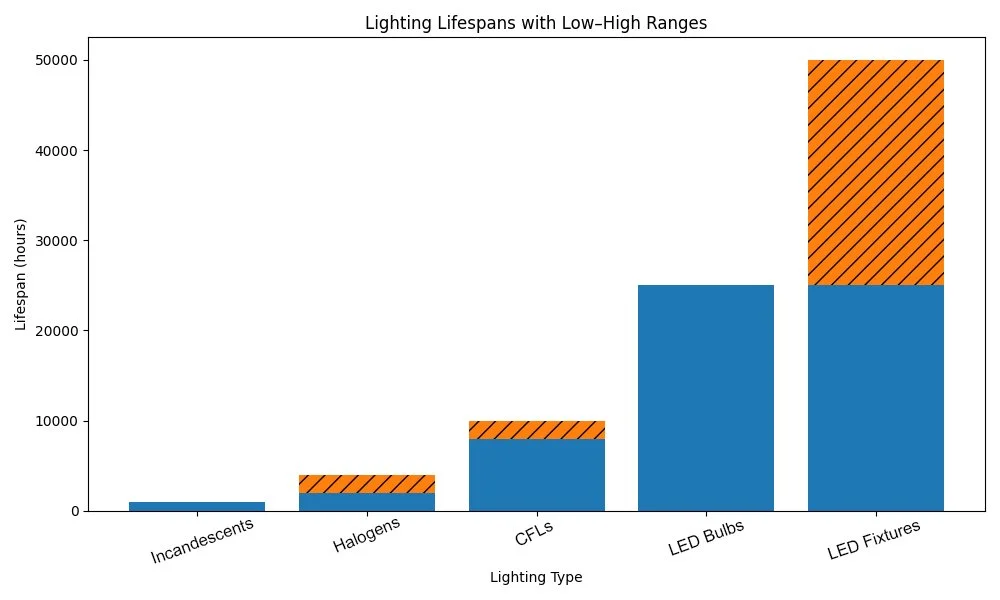
Chart comparing the lifespan of incandescent bulbs, halogens, CFLs, LED bulbs, and LED fixtures.
This superior lifespan helps save money over time and reduces waste.
Lighting Fact: Most LED bulbs and fixtures will have L70 life hour information listed on product packaging, specification sheets, and webpages.
What to Expect When Your LED Bulb Reaches End of Life
As the LED components degrade, you may notice the light output becoming less intense or slightly flickering. This slow decline often gives you advanced warning that the light source is nearing the end of its useful life, allowing you to plan for a replacement rather than being caught off guard.
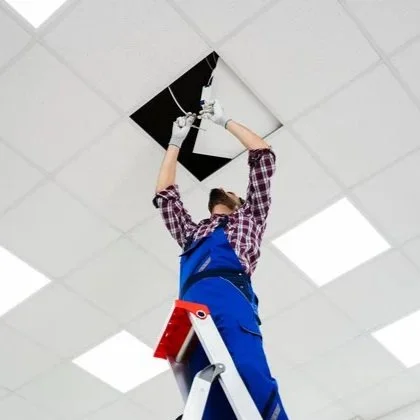
Electrician replacing LED fixture that has stopped producing light
In some cases, LEDs may develop color shifts, where the light emitted changes hue or becomes less consistent. This can be due to phosphor degradation or issues with internal components. Additionally, although rare, electronic driver failures within the bulb or fixture can cause it to stop working entirely without noticeable dimming.
It’s important to remember that even after reaching “end of life,” some LEDs may still emit light but at significantly reduced efficiency and brightness, which can impact the ambiance and effectiveness of your lighting. Continued use beyond this point is generally not recommended if you require consistent illumination quality.
Disposing of LED bulbs and fixtures should be done responsibly. While LEDs do not contain hazardous mercury like CFL light bulbs, they often include electronic components that need to be recycled properly. Many local recycling programs or hardware stores provide LED recycling options to reduce environmental impact.
Understanding LED life span ratings helps you make informed decisions when buying lighting. Though LEDs don’t last forever, their long life and energy efficiency make them a smart choice for most lighting needs. To ensure reliable performance, choose quality bulbs and follow best practices to extend their lifespan.
Ready to upgrade your lighting? Explore our selection of quality LED bulbs and fixtures with trusted lifetime ratings today! And if you need help, our team of lighting experts is just a phone call away at 1-800-624-4488.