
LED Bulb Flicker: Causes, Fixes, and How to Prevent It
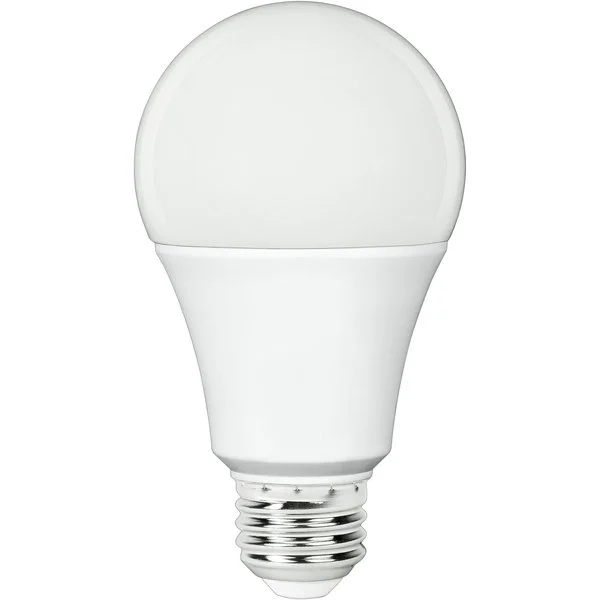
LED lighting is known for its efficiency, long lifespan, and dependable performance. However, flickering can occasionally occur. When an LED bulb blinks, pulses, or dims unexpectedly, the issue is usually related to compatibility or electrical conditions rather than a faulty product.
This guide explains what causes LED bulbs to flicker, how to fix it, and what to look for when choosing new bulbs so you can avoid flickering altogether.
What Is an LED Bulb Flicker?
LED bulb flicker refers to noticeable or subtle changes in brightness. Some flicker is visible, while other flicker occurs at high frequencies that may cause eye strain, headaches, or fatigue, and is not easily detectable.
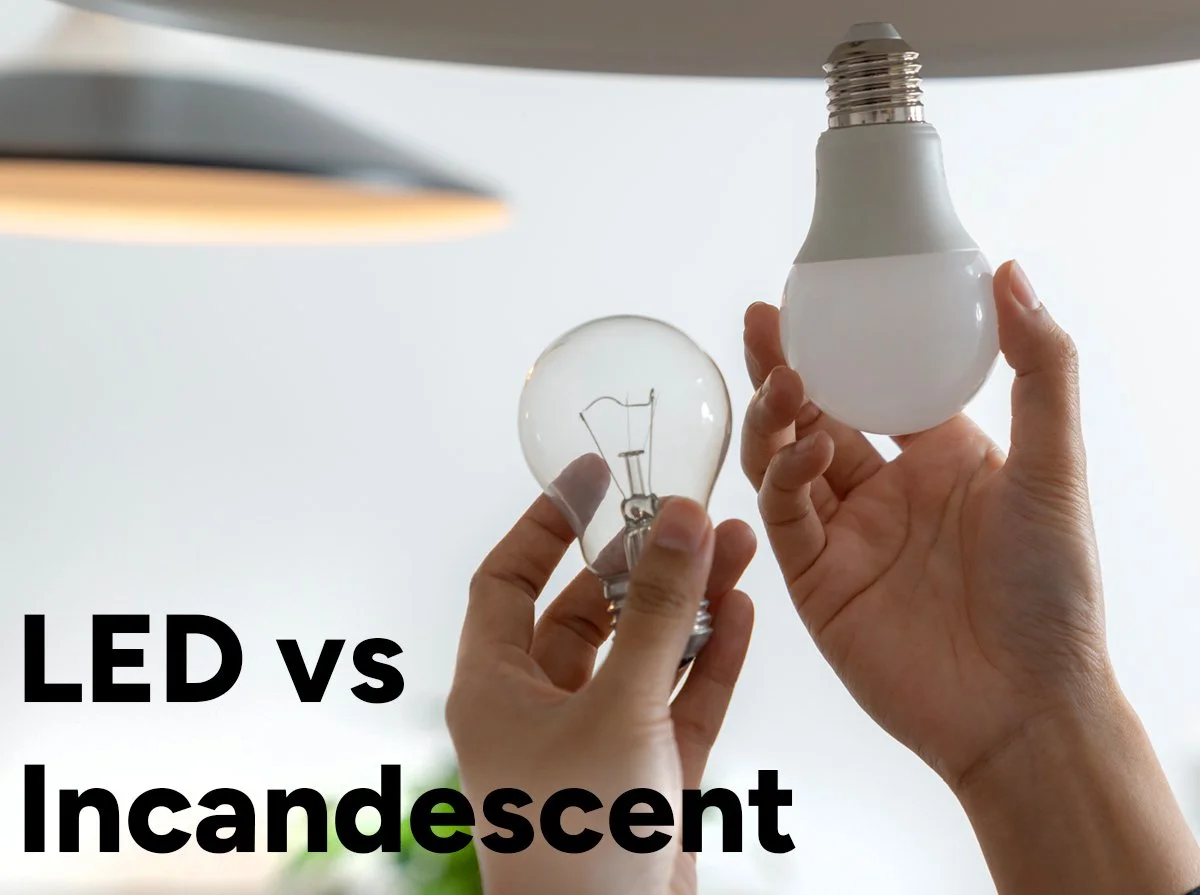
Unlike incandescent bulbs, which glow steadily as long as power flows, LEDs rely on electronic drivers to regulate voltage and current. When power delivery is inconsistent or components are mismatched, flickering can occur.
Common Causes of LED Bulb Flicker
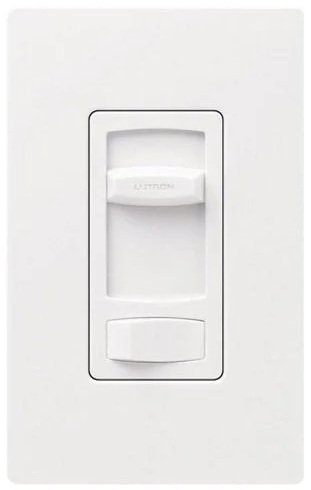
Lutron LED Dimmer Switch
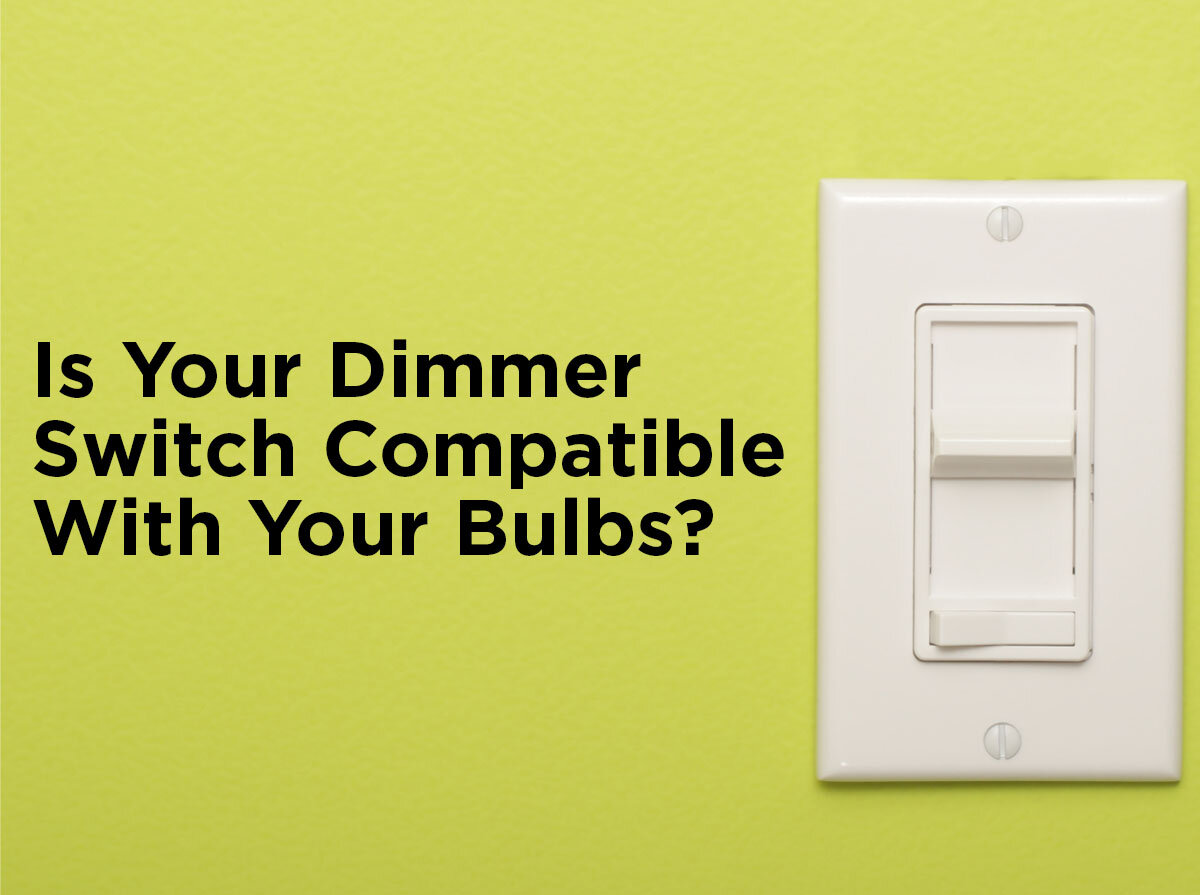
Incompatible Dimmer Switches
A common cause of flickering is using an older dimmer switch designed for incandescent bulbs. These dimmers draw more electrical power than LEDs, which can lead to uneven power delivery.
Solution:
Replace outdated dimmers with LED-compatible dimmer switches designed for low-wattage lighting.
Voltage Fluctuations
LED bulbs are sensitive to voltage changes. Fluctuations caused by appliances cycling on and off, overloaded circuits, or unstable wiring can result in flickering.
Solution:
If flickering occurs across multiple fixtures, have an electrician inspect the circuit for voltage inconsistencies or loose connections.
Low-Quality LED Drivers
The driver inside an LED bulb converts AC power into DC power. Poor-quality drivers may struggle to regulate current smoothly, especially when dimmed.
Solution:
Choose LED bulbs made with reliable, well-designed drivers that support consistent illumination.
Loose Bulbs or Socket Connections
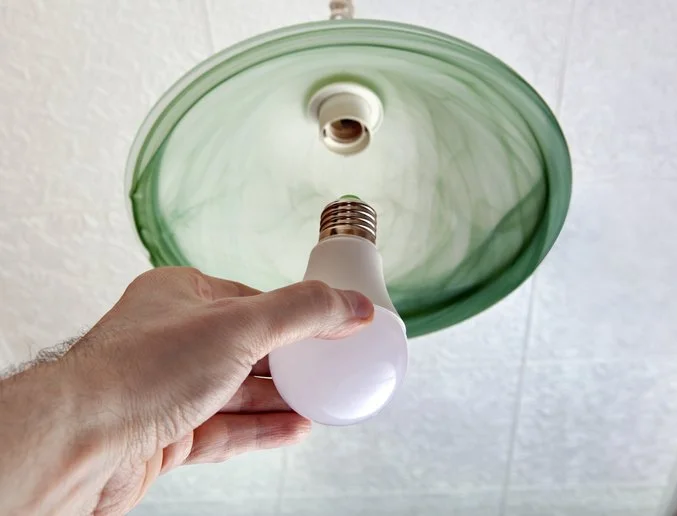
A bulb that is not fully seated or a worn socket can interrupt power flow, causing intermittent flicker.
Solution:
Turn off the power and ensure the bulb is securely installed. If the problem continues, the socket may need replacement.
Non-Dimmable LEDs Used on Dimmers
Installing a non-dimmable LED bulb on a dimmer circuit often results in flickering, buzzing, or shortened bulb life.
Solution:
Only use bulbs labeled dimmable on dimmer-controlled circuits.
Electrical Interference
Motors, HVAC systems, and large appliances can introduce electrical noise that affects LED performance.
Solution:
Use LED bulbs with built-in filtering or isolate lighting circuits when possible.
How to Fix Flickering LED Bulbs
If your LED bulbs are flickering, work through these steps:
Confirm the bulb is compatible with the fixture and dimmer
Replace outdated dimmer switches with LED-rated models
Tighten bulbs and inspect socket connections
Upgrade to higher-quality LED bulbs
Test the circuit for voltage instability
Many flickering issues can be resolved without replacing the fixture itself.
Are Flickering LED Bulbs Dangerous?
Occasional flicker is usually not a safety concern. However, persistent flickering may indicate loose wiring, overloaded circuits, or failing electrical components.
In addition, high-frequency flicker can contribute to eye strain and discomfort over time. Resolving flicker improves both safety and visual comfort.

How to Avoid LED Flicker When Buying New Bulbs
When selecting LED bulbs, look for:
Clear dimmable or non-dimmable labeling
Verified dimmer compatibility
High-quality internal drivers
Stable voltage tolerance ratings
Choosing the right bulb from the start helps ensure smooth performance and longer service life.
Wrapping It All Together: Getting Flicker-Free LED Lighting
LED bulb flicker is common but almost always fixable. In most cases, the issue comes down to compatibility between the bulb, dimmer, and electrical system rather than a problem with LED technology itself.
By using LED-compatible dimmers, selecting high-quality bulbs, and ensuring stable electrical connections, you can enjoy steady, comfortable lighting that performs as expected. When properly installed, LED bulbs provide reliable illumination, long service life, and excellent energy efficiency without flickering interruptions.
Frequently Asked Questions About LED Bulb Flicker
Why do LED bulbs flicker when turned off?
This can happen due to residual current in the circuit, especially with illuminated switches or smart controls.
Do LED bulbs flicker more than incandescent bulbs?
Yes. LEDs rely on electronic drivers, which makes them more sensitive to power irregularities than incandeincandescent bulbscent bulbs.
Can flickering shorten LED bulb lifespan?
Yes. Ongoing flicker can stress internal components and reduce overall lifespan.
Why do LED bulbs flicker at low brightness levels?
Flickering at low dim settings often occurs when the dimmer or driver is not properly matched to the bulb.