
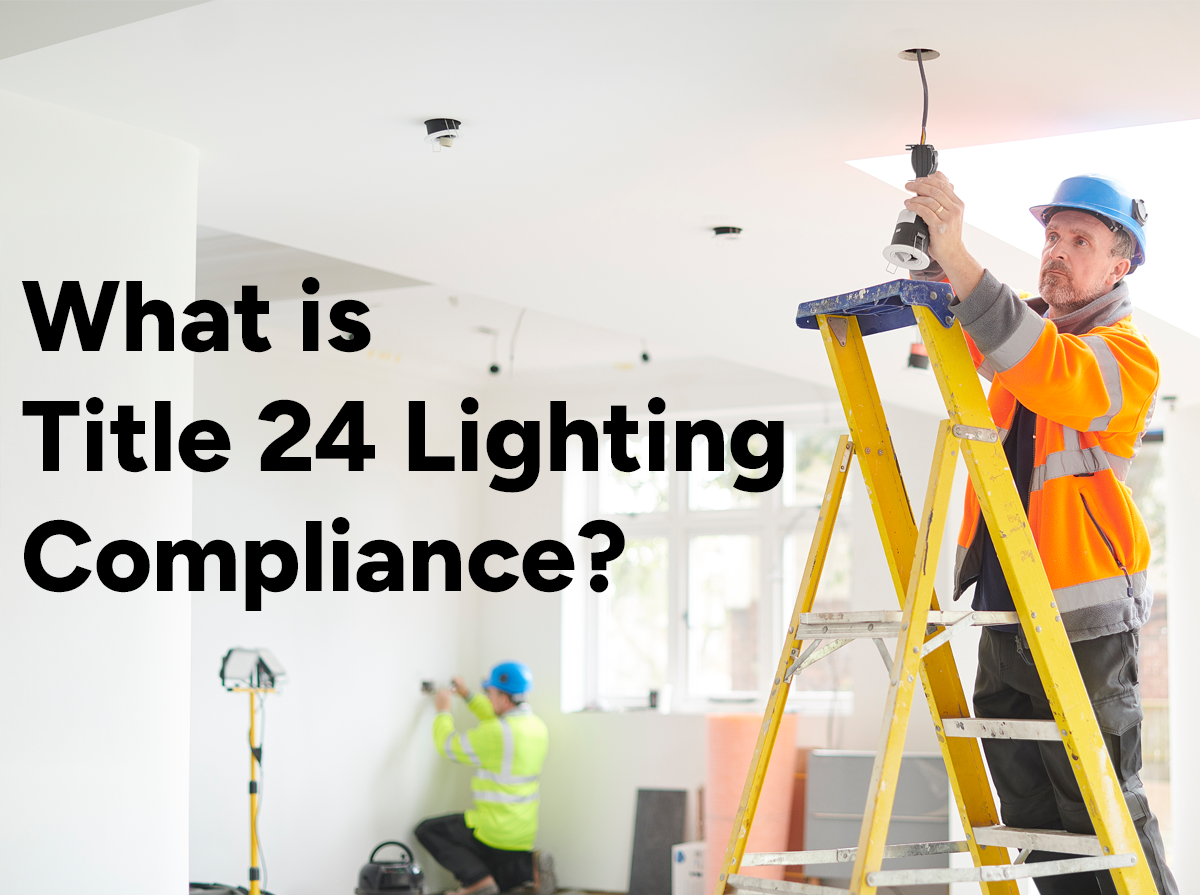
What Is Title 24 Lighting Compliance and Who Does It Affect?
Title 24 lighting compliance is California's set of energy-efficiency standards that regulate how lighting is designed, installed, and controlled in buildings across the state. The California Energy Commission enforces these rules through the building permit process, and they apply to everything from single-family homes to large commercial warehouses.
Whether you're a homeowner adding a room, a contractor working on a tenant improvement, or a supplier shipping products to California, Title 24 affects what you can install and how. This guide covers who the requirements apply to, what triggers compliance, and how to find products that meet the code.
What Is Title 24 Lighting Compliance
Title 24 lighting compliance refers to the energy-efficiency standards set by the California Energy Commission (CEC) to reduce energy consumption, lower greenhouse gas emissions, and prevent light pollution. The standards fall under Part 6 of the California Code of Regulations, which most people in the industry call the Building Energy Efficiency Standards or simply "the energy code."
So what does that actually mean for your lighting? Title 24 sets rules in three main areas. First, it requires high-efficacy light sources, meaning bulbs and fixtures that produce more light (lumens) per watt of electricity. Second, it requires lighting controls like dimmers, occupancy sensors, and automatic shutoffs that reduce energy waste. Third, it caps how much total wattage you can install per square foot in a given space, a measurement called Lighting Power Density.
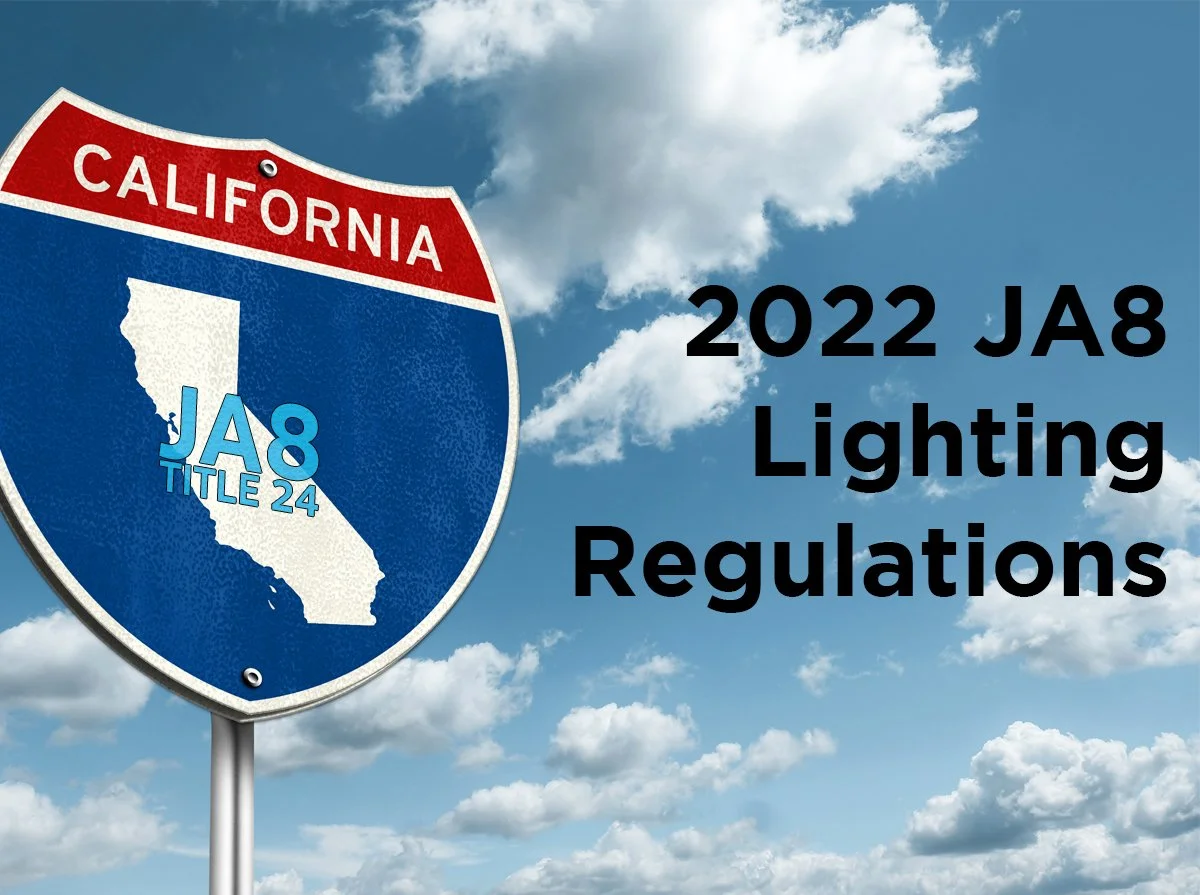
For residential projects specifically, there's another piece you'll hear about constantly: JA8 certification. JA8 (Joint Appendix 8) is California's performance standard for LED bulbs used in homes. If you're working on a permitted residential project in California, JA8-certified bulbs are typically required, and we'll cover that in more detail below.
The CEC updates Title 24 on a regular cycle, usually every three years, so the specific requirements can change between code versions. Always confirm which version applies to your project before you start ordering products.
Who Does Title 24 Lighting Compliance Affect?
Title 24 applies to anyone building, renovating, or altering a building in California. The local building department verifies compliance through the permitting process, and inspections are required before a project receives final occupancy approval. That means if you're pulling a permit, you're dealing with Title 24.
Homeowners and Residential Buildings
Single-family homes, home additions, and major renovations can all trigger Title 24 requirements. Even smaller projects, like adding a room or replacing certain fixture types, may require Title 24 documentation submitted with the permit application.
Here's the key point for homeowners: residential projects typically require JA8-certified LED bulbs. You can spot JA8 certification on the product packaging and printed directly on the bulb itself. If you're not sure whether a bulb qualifies, you can look it up in the CEC's appliance database at cacertappliances.energy.ca.gov.
Commercial and Nonresidential Buildings
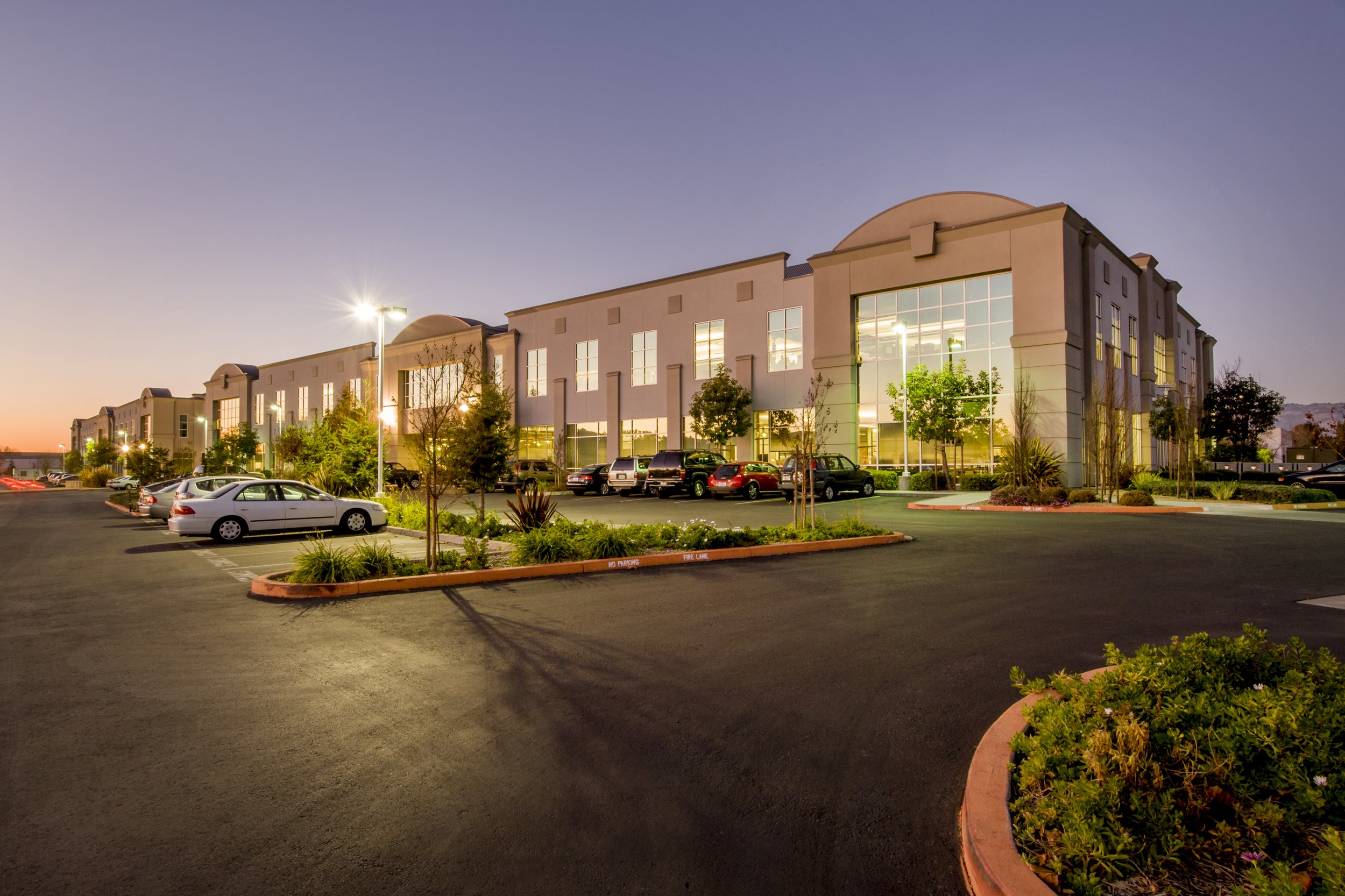
Offices, warehouses, retail stores, industrial facilities, and public buildings all fall under the nonresidential lighting requirements. Commercial buildings face stricter lighting control and efficiency mandates than residential properties because they typically use more energy overall.
The nonresidential rules cover everything from how many watts per square foot you can install to what types of automatic controls are required in different spaces. We'll break down the specific requirements in a later section.
Multifamily Properties
Apartment complexes and condominiums follow a blend of residential and commercial rules depending on the space. Individual dwelling units typically follow residential rules, which means JA8-certified bulbs are required. Common areas like lobbies, hallways, and parking structures are often treated as nonresidential spaces with their own control requirements.
This split can get confusing, so if you're working on a multifamily project, pay close attention to which rules apply to which areas.
Out-Of-State Manufacturers And Suppliers
Lighting companies that sell products into California are affected too, even if they're based in another state. Any product shipped to a California project site has to meet Title 24 (and the related Title 20 appliance standards) before it arrives.
For residential LED bulbs, that often means carrying JA8 certification. Manufacturers and suppliers can verify product compliance through the CEC's online appliance database.
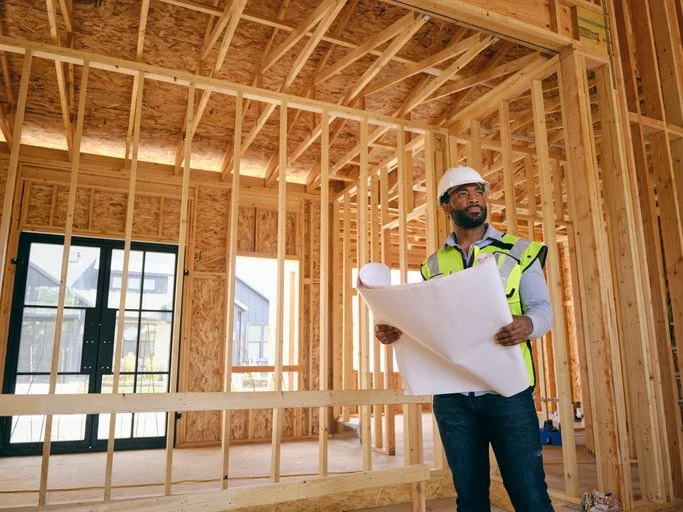
What Triggers Title 24 Compliance On A Project?
The type of work you're doing determines whether Title 24 applies. Here's how it breaks down:
New construction: All lighting in a new building has to comply with Title 24 from the start of design.
Additions: Any new square footage added to an existing building requires a compliant lighting design for that space.
Alterations: Modifying an existing lighting system, or adding new fixtures to an existing space, typically triggers Title 24 requirements for the affected area.
Tenant improvements: Commercial build-outs require compliance for the specific areas being renovated, even if the rest of the building is untouched.
One common question: does swapping a burned-out bulb trigger compliance? Generally, no. Simple lamp replacements, where you're putting in the same type of bulb, don't require a compliance review. However, changing the fixture type or adding new fixtures usually does.
Title 24 Lighting Requirements for Nonresidential Buildings
Nonresidential requirements are more detailed than residential requirements. They cover both the efficiency of the light sources and the control systems that manage them.
Lighting Power Density Allowance
Lighting Power Density (LPD) is the maximum number of watts per square foot allowed for lighting in a given type of space. Different room types have their own LPD allowance under Title 24. A private office has a different limit than an open office, which has a different limit than a retail sales floor or a warehouse.
Designers calculate the total installed wattage for a space and confirm it falls at or below the applicable LPD limit. If the calculation comes in over the limit, the project won't pass compliance review until the design is adjusted.
Manual Area Controls
Occupants have to be able to turn lights on and off within their own space. The code uses the term "readily accessible," which means the switch or control is easy to reach and operate without a ladder, key, or special tool.
This sounds obvious, but it matters for open floor plans and shared spaces where control placement can get overlooked during design.
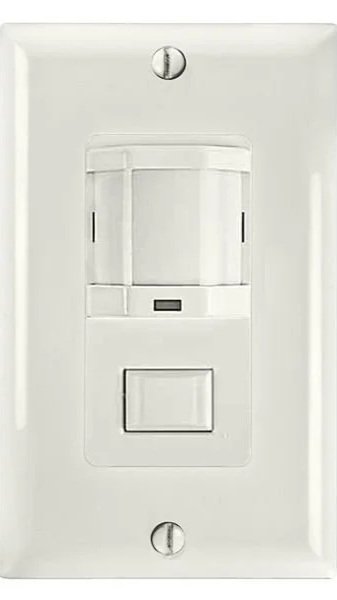
Wall switch with built in PIR occupancy sensor
Occupancy and Vacancy Sensors
Occupancy sensors automatically turn lights on when someone enters a space and off when the space is empty. Vacancy sensors work a little differently: they require a person to manually turn the lights on, but they turn the lights off automatically once the space is empty.
Nonresidential spaces generally require automatic shutoff so lights don't run continuously in unoccupied rooms. Vacancy sensors are often the preferred choice because they prevent lights from switching on automatically when daylight is already providing enough illumination.
Multi-Level Dimming Controls
Most nonresidential spaces require the ability to reduce light output in steps, not just a simple on-and-off switch. This lets occupants adjust brightness to match the task at hand and the amount of daylight already available in the room.
The specific dimming requirements vary by space type, but the general idea is that you can't just have full-on or full-off as your only options.
Daylight Harvesting Controls
Daylight harvesting uses photosensors to automatically dim or switch off electric lights when enough natural light is already present. Spaces with significant window area or skylights often trigger this requirement.
You might also hear this called "daylighting controls" or simply "photosensors." The terms are used interchangeably in the code.
Demand Response Controls
Demand response gives utilities the ability to signal a building to reduce its energy use during peak demand periods, like a hot summer afternoon when the grid is strained. Certain nonresidential buildings have to have lighting systems capable of receiving and automatically responding to utility signals.
This requirement typically applies to larger commercial buildings rather than small offices or retail spaces.
Title 24 Lighting Requirements for Residential Buildings
Residential requirements focus more on the efficiency of the light source itself than on layered control systems. The rules are simpler than nonresidential, but they're still mandatory for permitted work.
High Efficacy Light Sources and JA8 Bulbs
JA8 (Joint Appendix 8) is California's certification standard for LED bulbs used in residential applications. "High efficacy" means a bulb meets minimum lumens-per-watt thresholds set by the state.
JA8-compliant bulbs go beyond raw efficiency. They also meet specific performance requirements covering dimming, flicker, and color quality. Compliant bulbs are marked directly on the packaging and printed on the bulb itself, so contractors and inspectors can confirm compliance at a glance.
If you want to verify a specific product, you can search the CEC's appliance database at cacertappliances.energy.ca.gov.
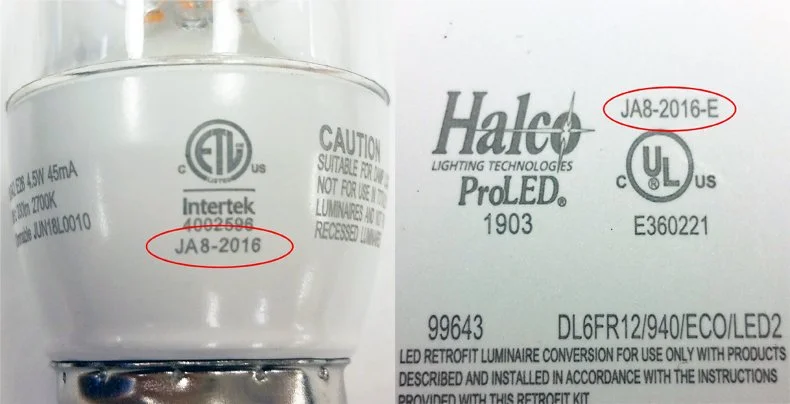
JA8 Certified LED bulbs and fixtures will have a JA8 label.
Dimmer and Vacancy Sensor Rules
Certain residential fixtures require dimming capability or a vacancy sensor depending on where they're installed. Bathrooms and utility rooms are common areas where sensor-related requirements apply.
The specific requirements depend on the fixture type and location, so check the current code version for your project.
Kitchen and Bathroom Lighting Rules
Kitchens and bathrooms see heavier use than most rooms in the home, so Title 24 sets specific requirements for them. Kitchens generally require high-efficacy light sources for the majority of installed fixtures. Bathrooms typically require either a vacancy sensor or high-efficacy lighting, depending on the fixture type.
Title 24 Outdoor Lighting Controls and Requirements
Outdoor lighting has its own section of requirements focused on reducing light pollution and preventing energy waste during nighttime hours.
Automatic Shutoff and Photocontrols
Photocontrols are sensors that automatically turn outdoor lights on at dusk and off at dawn. Outdoor lighting installed on a permitted project has to include automatic controls that prevent the fixture from operating during daylight hours.
This is one of the most straightforward outdoor requirements, and most outdoor LED fixtures come with photocontrol compatibility built in.
Part-Night Outdoor Lighting Reduction
Some outdoor lighting has to reduce its output during late-night hours, often after midnight or another set time defined by the project's requirements. The idea is to lower energy use during hours when full brightness isn't necessary for safety or visibility.
Motion Sensors for Outdoor Fixtures
Certain outdoor applications allow motion-activated lighting instead of continuous operation. This option often applies to security lighting, walkways, and parking areas where full-time illumination isn't required.
What Makes a Light Fixture or Bulb Title 24 Compliant
Several product attributes determine whether a bulb or fixture meets Title 24:
Efficacy rating: The bulb or fixture's lumens-per-watt has to meet the minimum threshold for its category.
JA8 certification: For residential LED bulbs, look for the JA8 mark on the packaging and printed on the bulb.
Control compatibility: The fixture has to work correctly with any dimmers, sensors, or other controls the project requires.
DLC or Energy Star listing: Many commercial fixtures need to appear on the DesignLights Consortium Qualified Products List to satisfy utility rebate and code requirements.
| Application | Key Compliance Markers |
|---|---|
| Residential LED bulbs | JA8 certification on packaging and the product itself |
| Commercial fixtures | DLC listing, Title 24 compliant label |
| Outdoor fixtures | Photocontrol compatibility, motion sensor ready |
How to Source Title 24 Compliant Lighting for Your Next Project
Reputable suppliers clearly mark which products are Title 24 and JA8 compliant on the product page and packaging. At 1000Bulbs.com, we stock California Title 24-compliant lighting across LED bulbs, fixtures, and panels, so you can filter by compliance requirement instead of guessing.
You can also call a 1000Bulbs.com lighting specialist at 1-800-624-4488 for help selecting products that meet California energy code requirements for your specific project.
Because code requirements and project scope vary, confirm final compliance details with your local building department or a licensed electrician before installation.
Have questions about Title 24 compliance or need help finding compliant products? Contact us or call 1-800-624-4488 to speak with a lighting specialist.
FAQs About Title 24 Lighting Compliance
Does Title 24 apply to buildings outside of California?
Title 24 is specific to California and does not apply to construction projects in other states. However, any lighting product sold into a California project has to meet Title 24 and Title 20 requirements, which affects national suppliers and manufacturers shipping products to California job sites.
What is the difference between Title 20 and Title 24?
Title 20 regulates the appliances and products sold in California, including light bulbs, by setting minimum efficiency standards for the products themselves. Title 24 governs how buildings are designed and constructed, including lighting power allowances and required controls. Both standards can apply to the same lighting project at the same time.
What happens if a building fails Title 24 inspection?
A building that fails Title 24 inspection cannot receive final occupancy approval until the lighting system is corrected to meet code requirements. Common fixes include replacing noncompliant fixtures, adding required controls like sensors or dimmers, or reworking parts of the lighting design.
How often does California update Title 24 requirements?
The California Energy Commission updates Title 24 on a regular code cycle, typically every three years, though specific dates and provisions can shift. Builders, electricians, and suppliers should confirm the current version of the code before starting a new project.