
Energy-Efficient Light Bulbs: Cost Savings Breakdown
| What This Article Covers |
|---|
Energy-efficient light bulbs reduce electricity usage, lower maintenance costs, and improve long-term lighting ROI for both homes and commercial facilities. While LED bulbs typically cost more upfront than incandescent or fluorescent options, they consume significantly less power and last much longer, making them one of the fastest-paying energy upgrades available. This guide explains how LED lighting compares to incandescent and fluorescent technology in terms of energy use, lifespan, maintenance requirements, and total operating cost. It also breaks down real-world savings examples for homes, warehouses, offices, and retail environments using practical utility-rate calculations and commercial retrofit scenarios. You’ll also learn how to evaluate lighting efficiency using lumens per watt, what impacts LED payback periods, common myths about energy-efficient bulbs, and which LED lighting types work best for kitchens, offices, warehouses, and outdoor security applications. Best for: homeowners, facility managers, warehouse operators, contractors, maintenance teams, retail businesses, and anyone evaluating an LED lighting upgrade or commercial retrofit project. |
Energy-efficient light bulbs are supposed to save money, but for many homeowners and facility managers, the numbers still feel vague. Utility bills keep climbing, fluorescent fixtures continue aging, and replacing dozens or hundreds of lamps at once can feel expensive upfront.
The confusion usually comes from focusing only on the bulb price instead of the total operating cost.
A low-cost incandescent or fluorescent lamp may seem cheaper initially, but energy use, maintenance, replacement frequency, and labor costs change the equation quickly over time. That difference becomes even more noticeable in commercial buildings where lighting systems run for long hours every day.
For homeowners, switching to LED often means lower monthly utility bills and fewer burned-out bulbs to replace. For businesses, the impact can extend into maintenance scheduling, HVAC load reduction, and long-term operating costs across entire facilities.
This guide breaks down how energy-efficient light bulbs reduce costs, where the savings actually come from, and what a realistic ROI looks like for both residential and commercial lighting upgrades.
Why Lighting Costs More Than Most People Realize
Most people underestimate how much lighting contributes to long-term electricity and maintenance costs because the expense is spread across dozens or hundreds of fixtures operating every day.
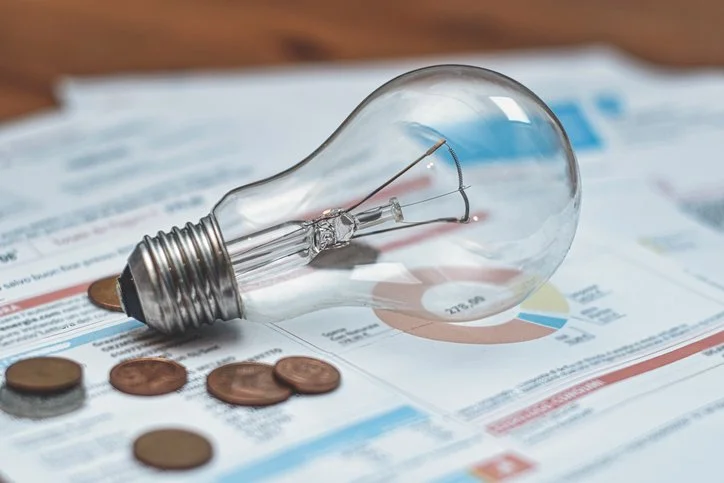
In homes, lighting may only represent one portion of the utility bill, but inefficient bulbs still add unnecessary energy use over time. Older incandescent and halogen lamps consume significantly more electricity than modern LED replacements while also generating far more heat.
Commercial buildings feel the impact even more aggressively. Warehouses, offices, retail stores, schools, and manufacturing facilities often run lighting systems for extended operating hours throughout the week. The larger the facility, the more small inefficiencies compound.
Lighting costs also extend beyond electricity usage alone.
Facilities operating fluorescent systems still need to manage recurring lamp replacement, ballast maintenance, troubleshooting, and disposal procedures for mercury-containing lamps. In high-bay environments or difficult-access installations, labor costs can easily exceed the cost of the lamp itself.
Some of the largest hidden lighting expenses include:
Frequent lamp replacement cycles
Lift rentals or maintenance labor
Ballast failures in fluorescent systems
Increased cooling loads from heat-producing lamps
Energy waste from outdated fixtures and controls
That is one reason LED retrofits continue accelerating across both residential and commercial environments. Energy-efficient lighting reduces operating costs from multiple directions simultaneously instead of simply lowering wattage alone.
What Makes a Light Bulb Energy Efficient?
The simplest way to understand lighting efficiency is to look at how much light a bulb produces compared to how much electricity it consumes.
Watts measure energy use. Lumens measure light output.
A traditional incandescent bulb may consume substantially more power to produce the same amount of usable light as an LED lamp operating at a fraction of the wattage. The key efficiency metric is lumens per watt, which measures how effectively a lighting system converts electricity into visible light.
Higher lumens-per-watt performance means the bulb produces more usable light while consuming less energy.
LED technology is more efficient because it generates light differently than incandescent or fluorescent systems. Incandescent bulbs produce light by heating a filament, which wastes a large amount of energy as heat. Fluorescent lamps improve efficiency by exciting gases inside the tube, but they still lose energy through heat and ballast operation.
LEDs generate light through semiconductor technology that converts far more electrical energy directly into illumination.
That efficiency difference affects more than just the lighting bill.
Excess heat from incandescent and older fluorescent systems also increases cooling demand in climate-controlled buildings. In offices, retail stores, warehouses, and homes running air conditioning systems regularly, reducing lighting heat output can help lower HVAC energy usage as well.
LED A19 lamp
For many facilities, the long-term savings from energy-efficient lighting come from a combination of:
Lower electrical consumption
Reduced maintenance requirements
Longer operating lifespan
Lower cooling loads from reduced heat output
That combination is what makes LED upgrades financially attractive even when the upfront bulb cost is higher.
LED vs Incandescent vs Fluorescent Cost Comparison
Comparing lighting technologies only by purchase price usually creates a misleading picture of long-term cost.
A bulb that costs less upfront may consume far more electricity, require more frequent replacement, or create higher maintenance expenses over time. Energy-efficient lighting becomes easier to evaluate when energy use, lifespan, and operating costs are viewed together instead of separately.
Purchase Cost
Incandescent bulbs still have the lowest upfront purchase price, while LED lamps usually cost more initially. Fluorescent and CFL lamps typically fall somewhere in between, depending on the application and lamp type.
That upfront difference often causes hesitation during larger retrofit projects, especially in commercial facilities, replacing hundreds of fixtures at once.
The long-term operating math, however, usually shifts quickly in favor of LED systems.
Because LEDs consume less electricity and last significantly longer, the higher purchase price is often recovered through lower operating and replacement costs over time. Commercial buyers also frequently benefit from volume pricing that lowers the per-unit cost of larger retrofit projects.
Energy Use
Energy consumption is where the largest cost differences appear.
A standard LED bulb can produce the same general light output as an incandescent lamp while consuming only a fraction of the electricity. Fluorescent systems are more efficient than incandescent technology, but modern LED systems still outperform them in most applications.
Looking only at wattage can sometimes create confusion, which is why lumens-per-watt is the more useful comparison metric.
In general:
Incandescent lamps produce the least light per watt consumed
Fluorescent lamps improve efficiency substantially
LEDs produce the highest usable light output for the lowest energy input
Across homes and commercial facilities operating lights daily, those efficiency gains translate directly into lower utility costs.
Lifespan
Lamp lifespan affects both replacement cost and maintenance frequency.
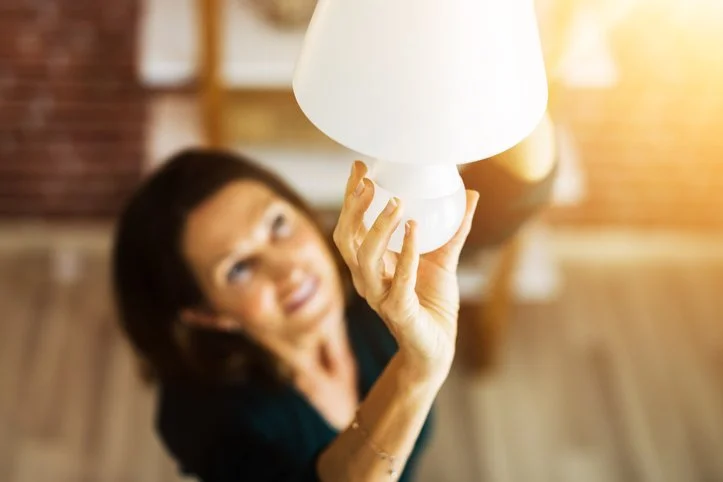
Incandescent bulbs burn out relatively quickly compared to modern lighting technologies. Fluorescent systems last longer but still require periodic replacement and ballast maintenance over time.
LED lamps are designed for significantly longer operating life, which reduces how often replacements are needed.
For homeowners, that means fewer burned-out bulbs to replace around the house. For commercial facilities, the impact can be much larger because maintenance labor becomes part of the equation.
Replacing a lamp in a warehouse high bay or difficult-access ceiling installation may involve lifts, maintenance scheduling, and downtime that far exceed the actual cost of the lamp itself.
Maintenance Costs
Maintenance is one of the most overlooked parts of lighting ROI.
Fluorescent systems require ongoing ballast replacement, lamp disposal procedures, and recurring maintenance cycles throughout the life of the fixture. As fluorescent infrastructure continues aging and replacement components become harder to source, those maintenance demands often increase.
LED systems reduce many of those recurring service requirements.
In commercial environments, reducing maintenance frequency can significantly lower operational disruption, especially in facilities with high ceilings, continuous operating hours, or large fixture counts.
The energy savings matter, but the maintenance reduction is often what shortens the payback period most aggressively for large-scale LED retrofit projects.
Real Energy Savings Examples
The exact savings from energy-efficient light bulbs depend on fixture count, operating hours, utility rates, and the type of lighting being replaced. Homes running lights a few hours each evening will see a different ROI than warehouses or retail facilities operating fixtures all day.
Still, the overall pattern is consistent. The longer the lights operate, the faster efficient lighting pays for itself.
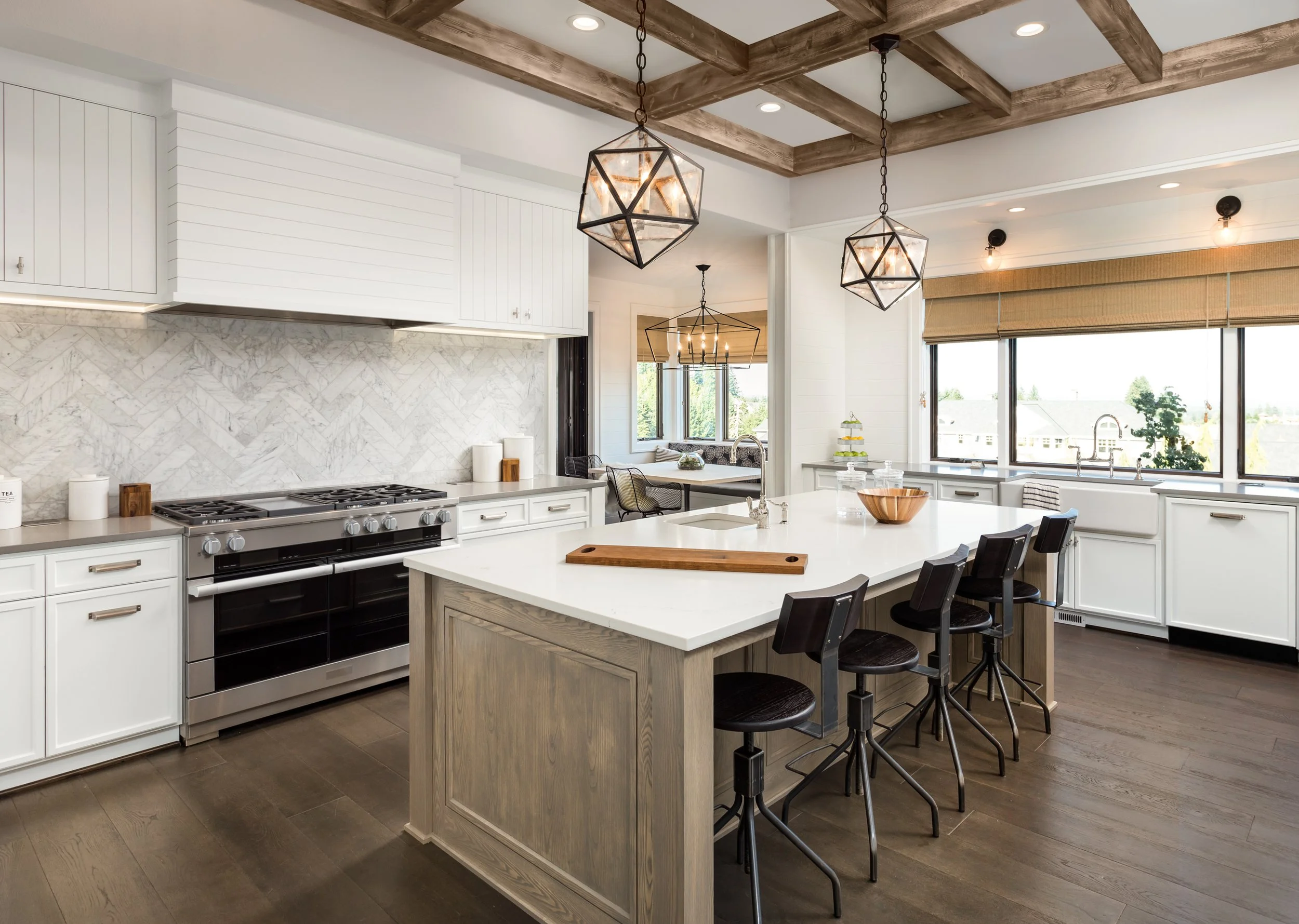
Residential Example
A homeowner replacing older incandescent bulbs throughout the house may see a noticeable drop in lighting-related electricity use almost immediately.
For example, replacing standard incandescent bulbs with LED equivalents in kitchens, bedrooms, hallways, and outdoor fixtures can reduce lighting energy consumption substantially while maintaining the same overall brightness.
Because LEDs also last much longer, homeowners spend less time replacing burned-out bulbs over the years.
The savings become even more noticeable in homes with:
High fixture counts
Outdoor security lighting
Recessed can lighting
Frequently used kitchen and living room fixtures
In many homes, lighting upgrades become one of the simplest ways to reduce electricity usage without changing daily habits.
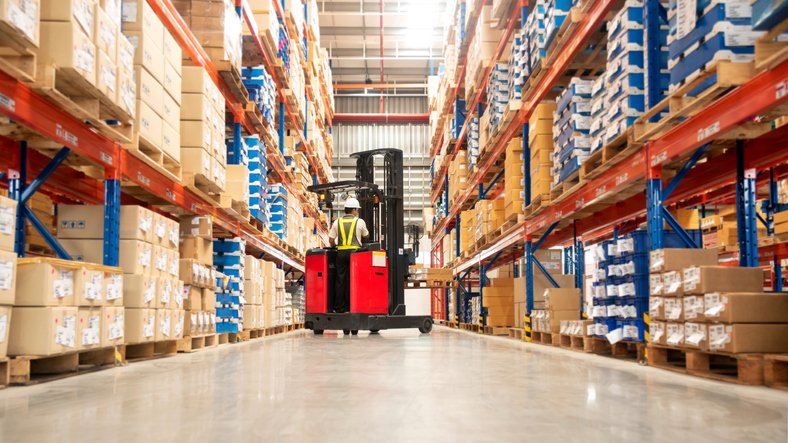
Warehouse Example
Warehouses and industrial facilities often see some of the fastest ROI from LED retrofits because lighting systems operate for long hours across large open spaces.
A facility running fluorescent high bays or T8 fixtures throughout the day may reduce lighting energy consumption significantly after converting to LED tubes or dedicated LED high bays. Lower wattage combined with reduced maintenance requirements creates savings from multiple directions at once.
The maintenance side is especially important in warehouse environments.
Replacing lamps in high ceilings requires lift equipment, labor scheduling, and operational coordination. Extending replacement intervals helps reduce those recurring service costs while also minimizing disruption inside the facility.
For many warehouse operators, maintenance reduction becomes just as valuable as the electrical savings.
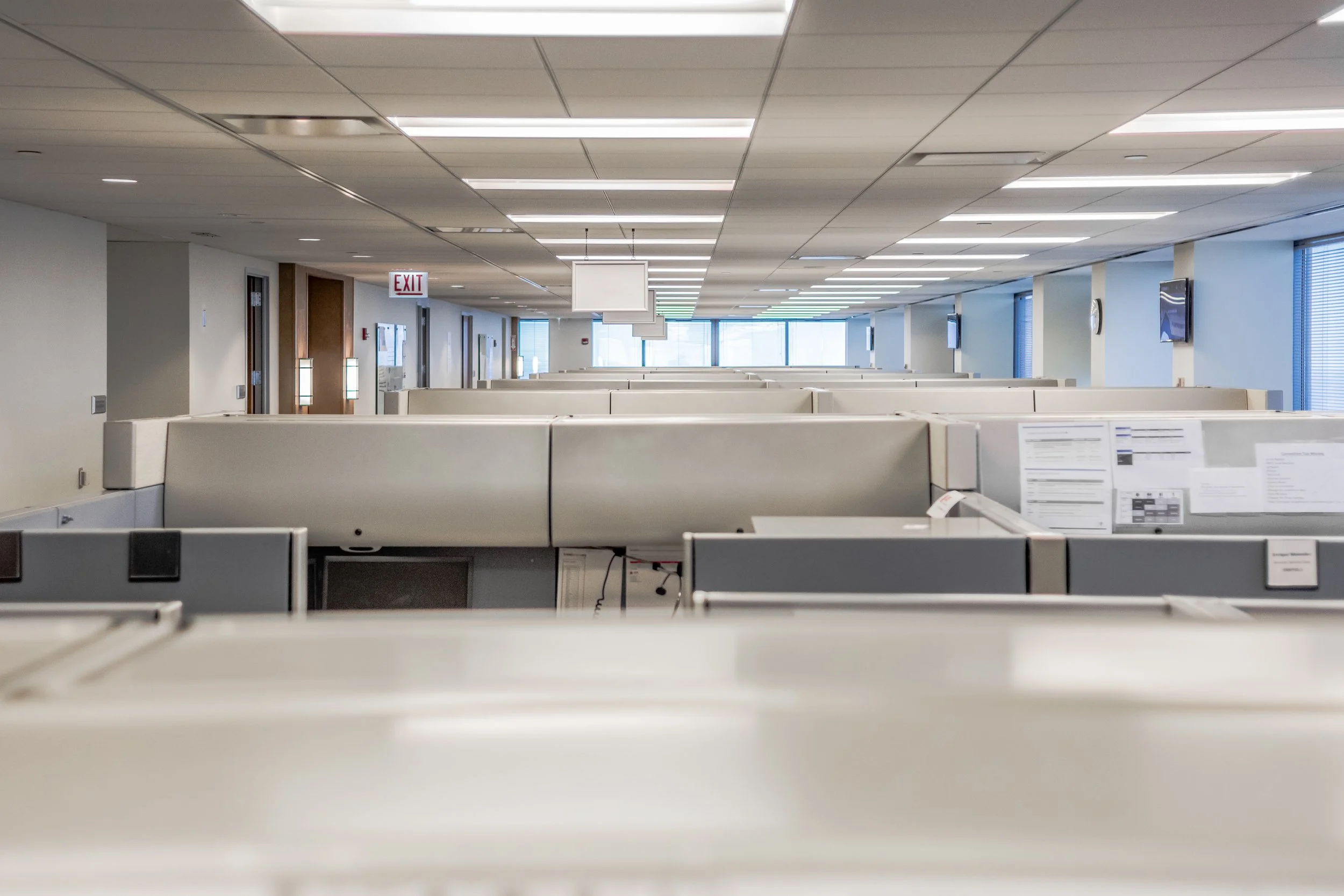
Office Example
Office environments benefit from LED upgrades differently from industrial spaces.
The energy savings still matter, but offices also gain from improved lighting consistency, reduced flicker, and lower heat output. Older fluorescent systems often develop flickering, color inconsistency, and ballast noise as they age, especially in buildings with large troffer installations.
Converting to LED tubes or LED panel fixtures helps lower operating costs while creating a more stable lighting environment for employees working under artificial lighting throughout the day.
Common office upgrade priorities include:
Reduced utility costs
Lower maintenance frequency
Improved visual comfort
Better dimming compatibility
More consistent color temperature across fixtures
In screen-heavy office environments, reducing visible flicker and inconsistent light quality can also improve occupant comfort over long workdays.
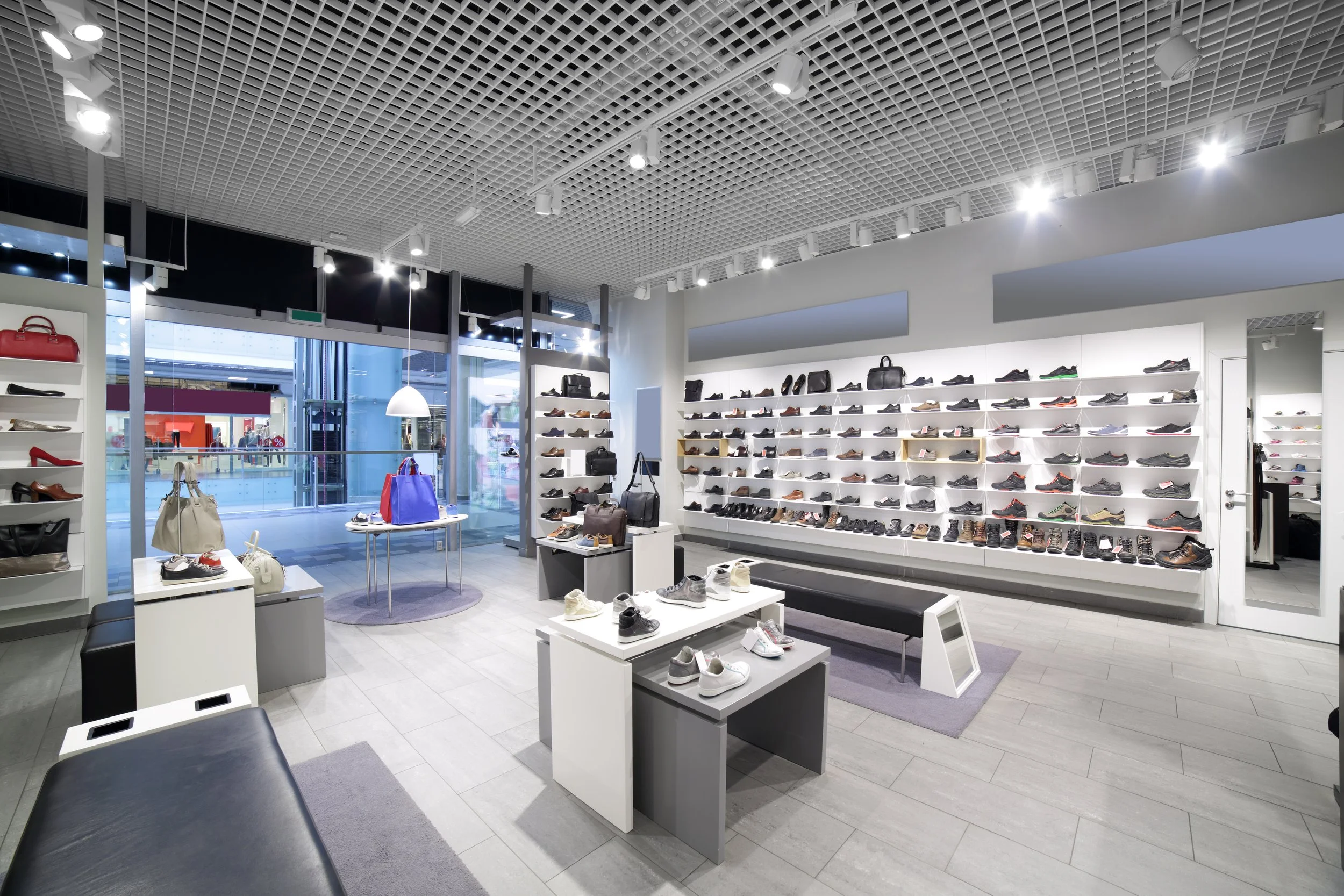
Retail Example
Retail lighting upgrades are often driven by both energy savings and presentation quality.
Older halogen and fluorescent systems consume large amounts of electricity while producing excess heat that can affect both comfort and merchandise areas.
LED PAR lamps, track lighting, and display lighting systems reduce energy consumption while also offering stronger color rendering and directional control.
For retailers, lighting affects more than utility bills.
High-CRI LED systems help merchandise appear more accurate and visually appealing, particularly in clothing stores, grocery environments, showrooms, and hospitality spaces where lighting quality directly affects customer perception.
Because many retail environments operate extended evening and weekend hours, LED retrofits also recover costs faster than lower-hour applications.
How Long Does It Take LEDs to Pay for Themselves?
LED payback periods depend on how often the lights operate, what technology they are replacing, and the upfront cost of the LED products, which has generally declined as adoption has increased.
In residential settings, the payback period is often relatively short because LED bulbs consume far less electricity while lasting significantly longer than incandescent lamps. Even though the bulb costs more upfront, the lower operating cost offsets the difference over time.
Commercial environments usually see even stronger ROI because fixtures operate longer hours, and maintenance costs become part of the equation.
A warehouse running fluorescent fixtures daily may recover retrofit costs faster than a residential installation simply because the lights accumulate operating hours much more quickly. Reduced lamp replacement labor also accelerates the financial return.

Several factors affect LED payback timelines:
Daily operating hours
Local utility costs
Existing lighting technology
Fixture quantity
Maintenance labor requirements
Available utility rebates
Utility incentive programs can shorten ROI further for commercial retrofits, especially when projects use qualifying ENERGY STAR or DLC-listed products. Many businesses also reduce project costs through bulk purchasing and full-facility retrofits completed at one time instead of replacing lamps gradually as failures occur.
For large commercial projects, approaching lighting upgrades strategically often produces better long-term savings than handling replacements one fixture at a time.
Common Myths About Energy-Efficient Bulbs
Many of the concerns people still have about LED lighting come from early-generation products that no longer reflect how modern systems perform.
“LEDs produce harsh, cold light”
Color temperature determines whether light appears warm or cool, not the lighting technology itself.
Early commercial LED installations often used very cool color temperatures that created the perception that all LED lighting looked harsh or overly blue. Modern LED bulbs are available in a wide range of color temperatures, including warm white options designed to closely resemble incandescent lighting.
For most residential spaces, warmer color temperatures create a more familiar appearance, while offices, warehouses, and commercial environments often prefer more neutral or daylight-style lighting depending on the application.
“Energy-efficient bulbs are dimmer”
Modern LED bulbs are not inherently dimmer than incandescent or fluorescent lamps.
The confusion usually comes from comparing wattage instead of light output. Lower wattage simply means the bulb consumes less electricity. Brightness should be compared using lumens, which measure usable light output.
An LED bulb consuming a fraction of the wattage can still produce the same general brightness level as a much higher-wattage incandescent lamp.
“The savings are not worth the upfront cost”
LED lighting often costs more upfront than many traditional lamps, but prices have steadily declined as the market has grown and technology has advanced. Combined with significantly lower energy consumption and maintenance costs, the long-term savings can quickly outweigh the initial investment.
Lower energy use, longer lifespan, and reduced maintenance requirements all contribute to long-term savings. In commercial environments, avoiding recurring lamp replacement labor often becomes one of the largest financial advantages of LED retrofits.
The longer the lights operate each day, the faster the savings accumulate.
“LED color is difficult to match”
Modern LED systems offer far more color consistency and flexibility than many people realize.
Warm white LED lamps are designed to closely replicate the appearance of incandescent lighting, while higher-CRI options improve color accuracy for retail displays, hospitality spaces, offices, and residential interiors.
Matching existing lighting appearance is usually more about selecting the correct color temperature and CRI rather than avoiding LED technology altogether.
Best Energy-Efficient Bulbs by Application
Different spaces require different lighting priorities. Brightness, beam spread, color temperature, and fixture type all affect how a lighting system performs in real-world environments.
Kitchens
Kitchen lighting typically works best with warm-to-neutral white LED lamps that balance visibility with comfort.
A19 and BR30 LED bulbs are common choices for general kitchen lighting, recessed fixtures, and task areas. Higher CRI ratings help food colors appear more natural, while dimmable options allow the space to transition between bright prep lighting and softer ambient lighting.
Warehouses
Warehouse environments usually require high-output lighting systems designed for long operating hours and larger open spaces.
Facilities with higher ceilings often use LED high bays, while lower warehouse ceilings may continue using LED T8 retrofit systems. Cooler color temperatures are common in warehouse applications because they improve visibility and contrast across aisles, shelving, and operational work areas.
For commercial rebate eligibility, many facilities prioritize DLC-listed products during large retrofit projects.
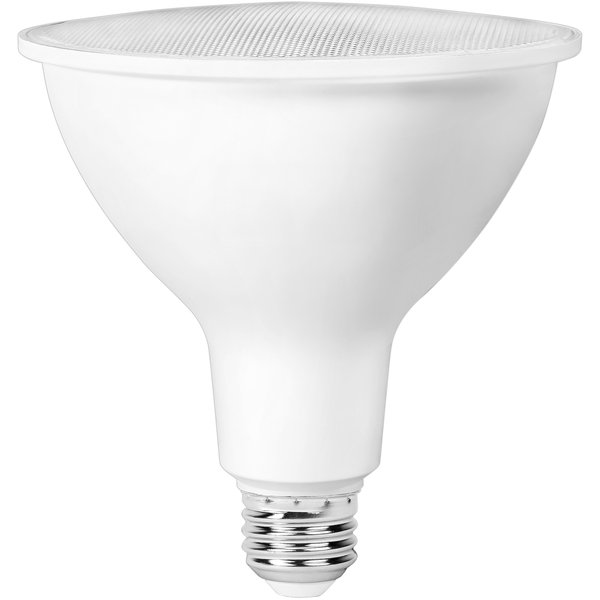
LED PAR lamp
Outdoor Security Lighting
Outdoor lighting needs to balance visibility, durability, and environmental exposure.
LED flood lights and PAR lamps designed for wet or damp locations are common choices for residential security lighting, parking lots, loading areas, and commercial exteriors. Motion-sensor compatibility is also important for reducing unnecessary operating hours while maintaining visibility when needed.
Higher color temperatures are often preferred outdoors because they improve perceived brightness and visibility around entrances, pathways, and security areas.
Offices
Office environments typically benefit from LED tubes or LED panel fixtures that provide consistent, low-maintenance lighting throughout the workspace.
Neutral white color temperatures are common because they create a clean appearance without feeling overly harsh. Offices with design-focused work may prioritize higher CRI lighting for improved color accuracy, while general office environments often focus more heavily on energy savings, visual comfort, and long-term maintenance reduction.
Flicker-free performance and dimming compatibility can also improve comfort in screen-heavy workspaces where employees spend long hours under artificial lighting.
How 1000Bulbs Helps Businesses Reduce Lighting Costs
1000Bulbs helps homeowners, contractors, facility managers, and commercial buyers evaluate lighting upgrades based on long-term performance rather than upfront bulb cost alone.
The product catalog includes LED retrofit tubes, A-shaped bulbs, high bays, panel fixtures, PAR lamps, and commercial lighting solutions designed for both residential and large-scale facility applications. Volume purchasing options also help commercial buyers reduce per-unit project costs during larger retrofit initiatives.
For businesses evaluating LED conversions, product selection often depends on more than brightness alone. Fixture compatibility, ballast configuration, color temperature, CRI, operating environment, and rebate eligibility all affect the success of a lighting upgrade.
1000Bulbs also provides access to lighting specialists who can help customers compare retrofit options, evaluate fixture compatibility, and identify practical upgrade paths for both residential and commercial environments.
Final Thoughts: Why Efficient Lighting Is One of the Smartest Upgrades You Can Make
Lighting upgrades are one of the few building improvements that reduce operating costs immediately while also lowering maintenance demands long term.
For homeowners, energy-efficient light bulbs help reduce electricity use and eliminate the frustration of constantly replacing burned-out lamps. For commercial facilities, the impact extends much further into maintenance planning, labor costs, inventory management, and long-term operational efficiency.
LED systems have reached the point where the financial case is difficult to ignore, especially in buildings operating lights for extended hours every day.
The biggest advantage is not simply lower wattage. It is the combination of lower energy use, longer lifespan, reduced maintenance, and improved lighting performance working together over time.
Shop Energy-Efficient LED Bulbs or call 1-800-624-4488 to speak with a lighting specialist to find the right upgrade path for your home or facility.
FAQs
How much money do LED bulbs save?
LED bulbs can reduce lighting energy consumption significantly compared to incandescent and older fluorescent systems. The exact savings depend on operating hours, fixture count, and electricity costs, but homes and businesses often notice lower lighting-related utility expenses shortly after upgrading.
Are LEDs really more efficient?
Yes. LEDs produce far more usable light per watt consumed than incandescent or fluorescent lamps. Lumens-per-watt is the key efficiency measurement, and LEDs outperform traditional lighting technologies in most residential and commercial applications.
Which bulbs last the longest?
LED bulbs generally offer the longest operating lifespan among common lighting technologies. Many LED lamps are designed to operate for years under normal use conditions, greatly reducing replacement frequency compared to incandescent or fluorescent bulbs.
Do energy-efficient bulbs produce less light?
No. Modern LED bulbs are available in a wide range of lumen outputs that match or exceed traditional incandescent and fluorescent lighting. Brightness should be compared using lumens rather than wattage.
What is the most efficient commercial lighting?
LED high bays, LED tubes, and LED panel fixtures are among the most efficient commercial lighting options available today. Many commercial buyers also look for DLC-listed products when evaluating rebate eligibility and long-term lighting performance.