
How to Replace Fluorescent Tubes with LED
| What This Article Covers |
|---|
Replacing fluorescent tubes with LED is one of the most cost-effective lighting upgrades available today, but choosing the wrong tube or skipping a compatibility check can create installation problems that cost more to fix than the retrofit saves. This guide explains how to identify your existing fluorescent setup (tube type, ballast, and socket configuration), compare the three main conversion methods (plug-and-play, ballast bypass, and hybrid), and follow a safe, step-by-step installation process. It also covers common retrofit mistakes, real energy savings examples, and how to choose the right LED tube for warehouses, offices, garages, retail spaces, and schools.Best for: facility managers, warehouse and industrial operators, lighting contractors, office building managers, and DIY homeowners planning a fluorescent to LED retrofit. |

If you’re trying to replace fluorescent tubes with LED products and finding yourself buried in ballast charts, socket types, and conflicting installation advice, you’re not alone. Fluorescent systems are still installed in millions of commercial and residential fixtures, but the push toward lower energy costs and reduced maintenance has made LED retrofits one of the most common lighting upgrades today.
The challenge is figuring out which conversion method actually fits your fixture. Some LED tubes work with existing ballasts, others require rewiring, and some can do both. This guide walks you through the differences clearly so you can convert fluorescent to LED systems without guessing your way through compatibility issues or costly installation mistakes.
Whether you manage a warehouse, maintain office lighting, or are upgrading garage fixtures at home, understanding your existing setup is the first step toward a successful fluorescent to LED conversion.
Why Businesses and Homeowners Are Switching to LED
The move away from fluorescent lighting is largely driven by three factors: energy savings, maintenance reduction, and lighting quality.
A standard 4-foot T8 fluorescent tube typically consumes around 32 watts. Comparable LED retrofit tubes usually draw between 15 and 18 watts while delivering similar or better light output. Across a large facility running lights all day, that difference adds up quickly.
LED retrofits also reduce maintenance demands substantially. Many fluorescent systems require ongoing ballast replacement, lamp replacement, and troubleshooting as fixtures age. LED tubes rated for 50,000 hours or more can last several times longer than fluorescent lamps, reducing how often maintenance teams need to access fixtures.
Additional advantages include:
Instant startup without warm-up flicker
Better performance in cold environments
More stable lumen output over time
Multiple color temperature options
Reduced fixture downtime
No mercury disposal requirements
For facility managers, another major advantage is eliminating ballast failures entirely when using ballast bypass LED tubes. A failed ballast can disable an entire fixture even when the lamps themselves are still functional. Direct-wire LED retrofits remove that failure point from the system altogether.
With multiple states now banning or phasing out fluorescent tube lighting products, many facilities are proactively upgrading to LED systems before replacement lamps become harder to source.
Regardless of which conversion method you choose, always follow proper electrical safety practices and consult a licensed electrician for any rewiring work. This is especially important in commercial settings where multiple circuits may share wiring paths.
Understanding Your Existing Fluorescent Setup
Before purchasing LED retrofit tubes, you need to identify what type of fluorescent system is currently installed. This is where many retrofit mistakes begin.
Different fluorescent fixtures use different tube diameters, ballast types, and socket configurations. Knowing exactly what you have prevents compatibility problems later.
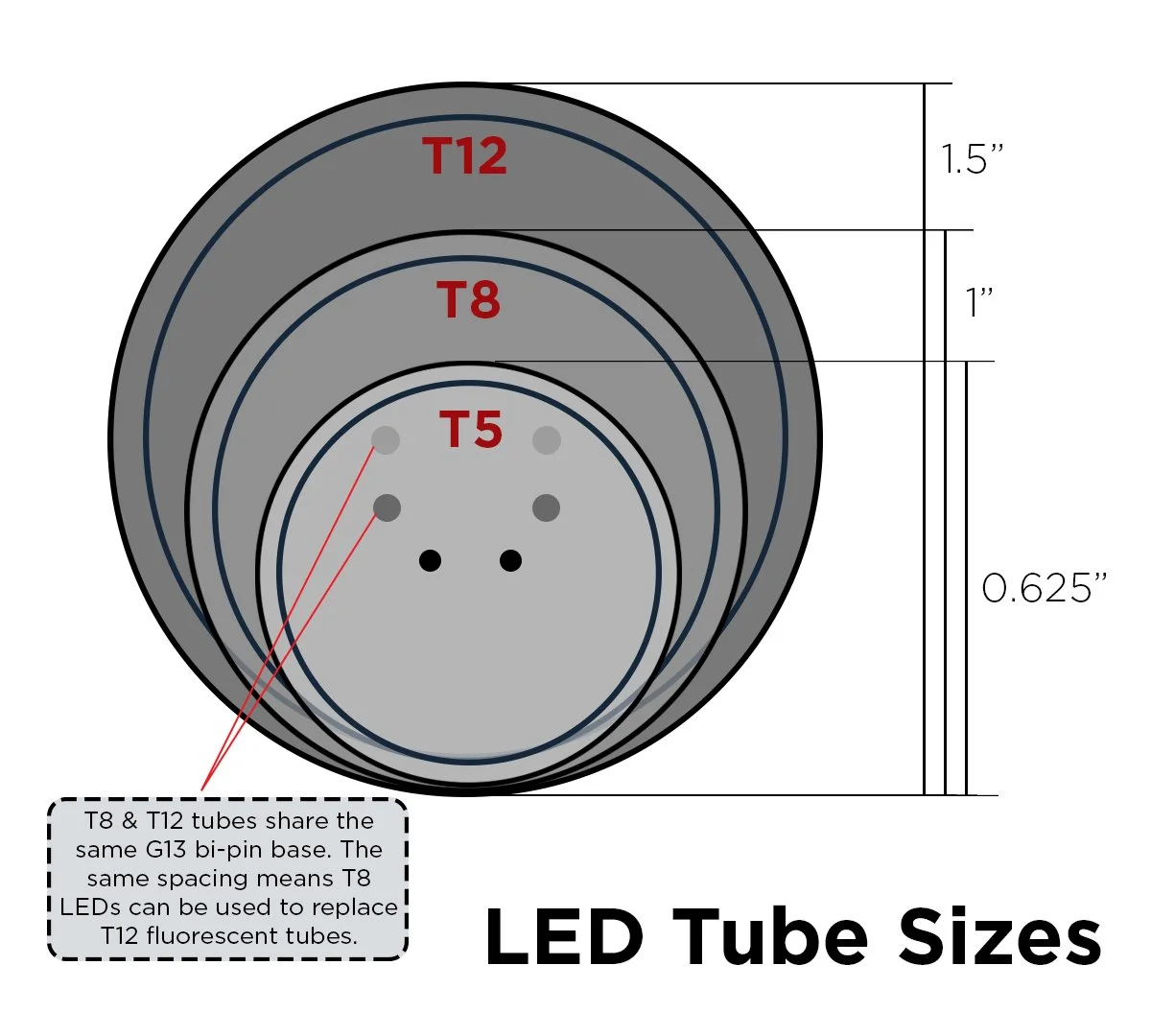
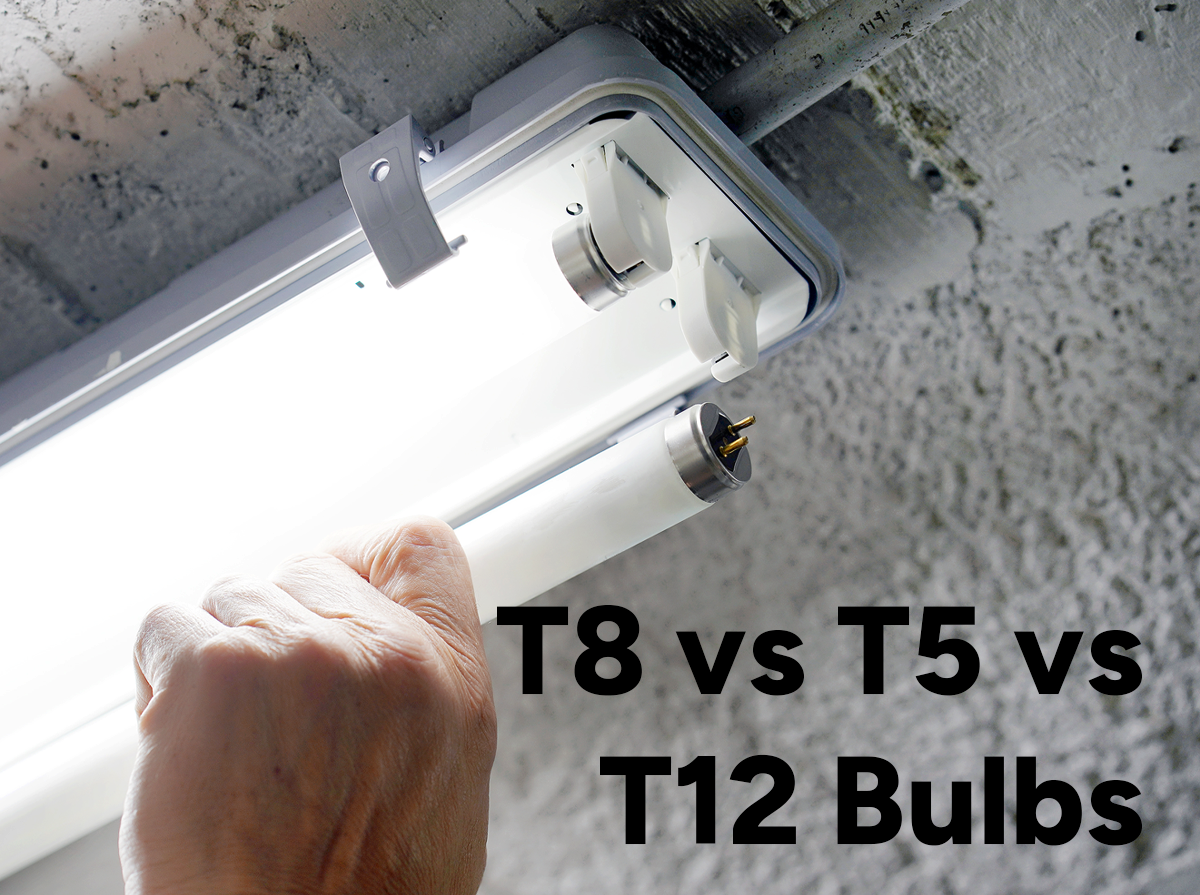
T5 vs T8 vs T12
The “T” designation refers to tube diameter measured in eighths of an inch.
T5 = 5/8-inch diameter
T8 = 1-inch diameter
T12 = 1.5-inch diameter
T8 systems are the most common in offices, schools, warehouses, and commercial buildings today. T5 fixtures are commonly used in higher-output commercial and industrial applications where space efficiency and performance are priorities.
T12 systems are older and significantly less efficient than modern fluorescent and LED technologies. While many T12 installations remain in service, manufacturers have steadily reduced support for T12 lamps and related components, making replacement products harder to source than they once were.
In addition, several states have enacted restrictions on the sale of certain fluorescent lamps as part of broader energy-efficiency initiatives. As these regulations expand and LED pricing continues to become more competitive, many facility managers are choosing to upgrade rather than continue investing in aging fluorescent systems.
The easiest way to identify your tube type is by checking the printing directly on the lamp itself or measuring the tube diameter.
Ballasted Fixtures
Most fluorescent fixtures contain a ballast inside the housing. The ballast regulates current flowing to the lamps and controls startup behavior.
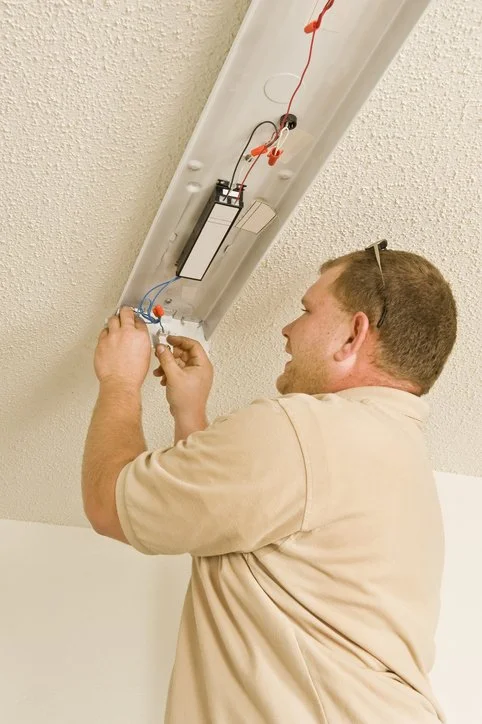
Fixtures generally contain either:
Magnetic ballasts
Electronic ballasts
Magnetic ballasts are older, heavier, and more prone to flickering or humming. Electronic ballasts are quieter and more efficient.
Your ballast type matters because it determines whether plug-and-play LED tubes will work properly in the fixture.
If you remove the fixture cover, the ballast label usually lists:
Brand
Model number
Input voltage
Lamp compatibility
Ballast type
Quick tip: If you cannot identify your ballast type, call 1-800-624-4488 before ordering retrofit tubes. Confirming compatibility first can prevent expensive installation problems later.
Shunted vs Non-Shunted Sockets
Sockets, often called tombstones, hold the tube in place and connect it to power.
This distinction becomes critical for ballast bypass LED tubes:
Shunted sockets connect both contacts internally
Non-shunted sockets keep contacts electrically separate
Many ballast bypass LED tubes require non-shunted sockets for safe operation. Installing the wrong socket configuration can create serious compatibility and safety problems.
In most fixtures:
One wire per contact usually indicates non-shunted
Shared wiring across contacts usually indicates shunted
Verifying the socket type before rewiring is one of the most important steps in a ballast bypass retrofit.
The 3 Main Ways to Convert Fluorescent Tubes to LED
There are three primary methods used during fluorescent to LED conversion projects. Each approach has advantages, trade-offs, and ideal applications depending on the facility and long-term maintenance goals.

Plug-And-Play LED Tubes (Type A)
Plug-and-play tubes operate using the existing ballast, if compatible, that is already installed in the fixture. Installation is straightforward because no rewiring is required.
The process usually involves:
Removing the fluorescent tube
Installing the compatible LED tube
Restoring power
This method works well for:
Rental properties
Small retrofit projects
Facilities seeking minimal installation disruption
Buildings with newer compatible ballasts
The biggest drawback is that the ballast remains part of the system. If the ballast eventually fails, the LED tube stops operating as well.
Ballast compatibility must also be verified carefully. Not every LED tube works with every ballast model.
Safety Note: Even with plug-and-play installations, always shut off the circuit breaker before swapping tubes. If you are uncertain about your fixture’s wiring or ballast condition, consult a licensed electrician before proceeding.
Ballast Bypass Tubes (Type B)
Ballast bypass LED tubes remove the ballast from the fixture entirely. The sockets are rewired so the LED tube connects directly to line voltage.
This method is extremely popular in:
Warehouses
Manufacturing facilities
Distribution centers
Large commercial retrofits
Advantages include:
Elimination of ballast failures
Lower long-term maintenance
Better overall efficiency
Simplified future tube replacement
However, ballast bypass retrofits require rewiring and should be handled by a qualified electrician.
Safety Note: Always shut off power at the circuit breaker before performing any ballast bypass work. Never rely solely on the wall switch.
Hybrid LED Tubes (Type A+B)
Hybrid LED tubes are designed to operate either with a compatible ballast or as a direct-wire installation after ballast removal. If the existing ballast is not compatible or later fails, the fixture can typically be rewired for ballast bypass operation without replacing the tube itself. This flexibility makes hybrid products especially attractive for phased retrofit projects and facilities with mixed ballast conditions.
For example, a facility manager might initially install hybrid tubes using the existing ballasts to minimize labor costs and disruption. Later, as ballasts fail over time, those same fixtures can be rewired for ballast bypass operation without changing tube inventory.
Hybrid tubes work well for:
Multi-phase commercial retrofits
Large campuses with mixed fixture conditions
Facilities standardizing maintenance inventory
Buildings transitioning gradually to direct-wire systems
The trade-off is usually cost. Hybrid tubes tend to be priced slightly higher than dedicated Type A or Type B products because they support multiple operating modes.
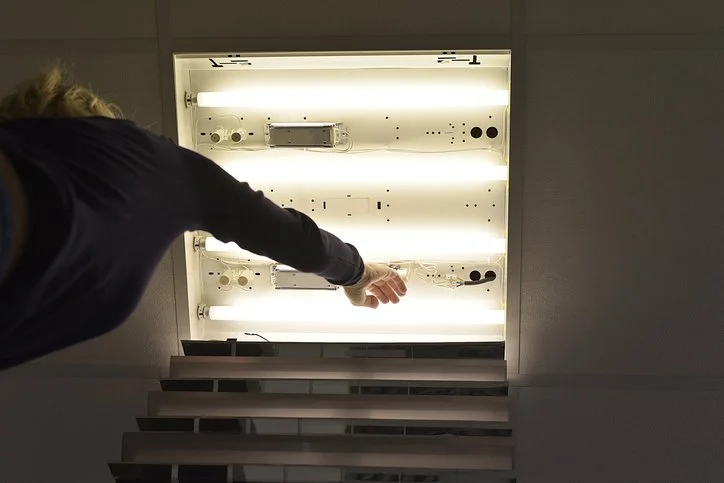
Step-By-Step Fluorescent to LED Conversion Guide
Once you identify your fixture type and choose a conversion method, the installation process becomes much more manageable. While the exact steps vary slightly depending on the fixture and tube type, the overall workflow remains fairly consistent.
For commercial installations involving rewiring, consult a licensed electrician before beginning work.
Turn Off Power Safely
Always switch off the circuit breaker controlling the fixture, not just the wall switch. Commercial buildings often contain multiple circuits and shared wiring paths, so verifying the fixture is fully de-energized is critical.
Use a non-contact voltage tester before touching any wiring or sockets.
In commercial environments, lockout/tagout procedures should be followed according to OSHA guidelines.
Remove Fluorescent Tubes
Most fluorescent tubes are removed by rotating the lamp roughly 90 degrees until the pins align with the socket opening, then gently lowering the tube out of place.
Because fluorescent lamps contain mercury, they should never be thrown into standard trash containers. Set them aside for proper recycling according to local regulations.
Identify Ballast Type
After opening the fixture housing, locate the ballast label. This information helps determine whether plug-and-play LED tubes are compatible with the fixture.
The label usually includes:
Ballast manufacturer
Model number
Voltage rating
Supported lamp types
Ballast configuration
If the ballast appears damaged, swollen, leaking, or heavily corroded, ballast bypass is usually the better long-term option.
Rewire if Necessary
For ballast bypass installations, the ballast is disconnected and removed from the circuit entirely. Line voltage wiring is then connected directly to the sockets according to the LED tube manufacturer’s wiring diagram.
At this stage, it is important to verify whether the LED tube uses single-ended or double-ended wiring. Single-ended tubes receive both power connections on one end of the lamp, while double-ended tubes distribute power across both ends. Wiring requirements vary by product, so always follow the manufacturer’s instructions carefully.
Socket type also matters. Many Type B tubes require non-shunted sockets, particularly single-ended models.
If you are unfamiliar with commercial wiring practices, this is not the stage to guess. Incorrect wiring can damage the tube, create arcing, or introduce serious electrical hazards. If you are not comfortable performing this step safely, hire a licensed electrician.
Many commercial retrofit projects qualify for utility rebates that help offset professional installation costs.
Install LED Tubes
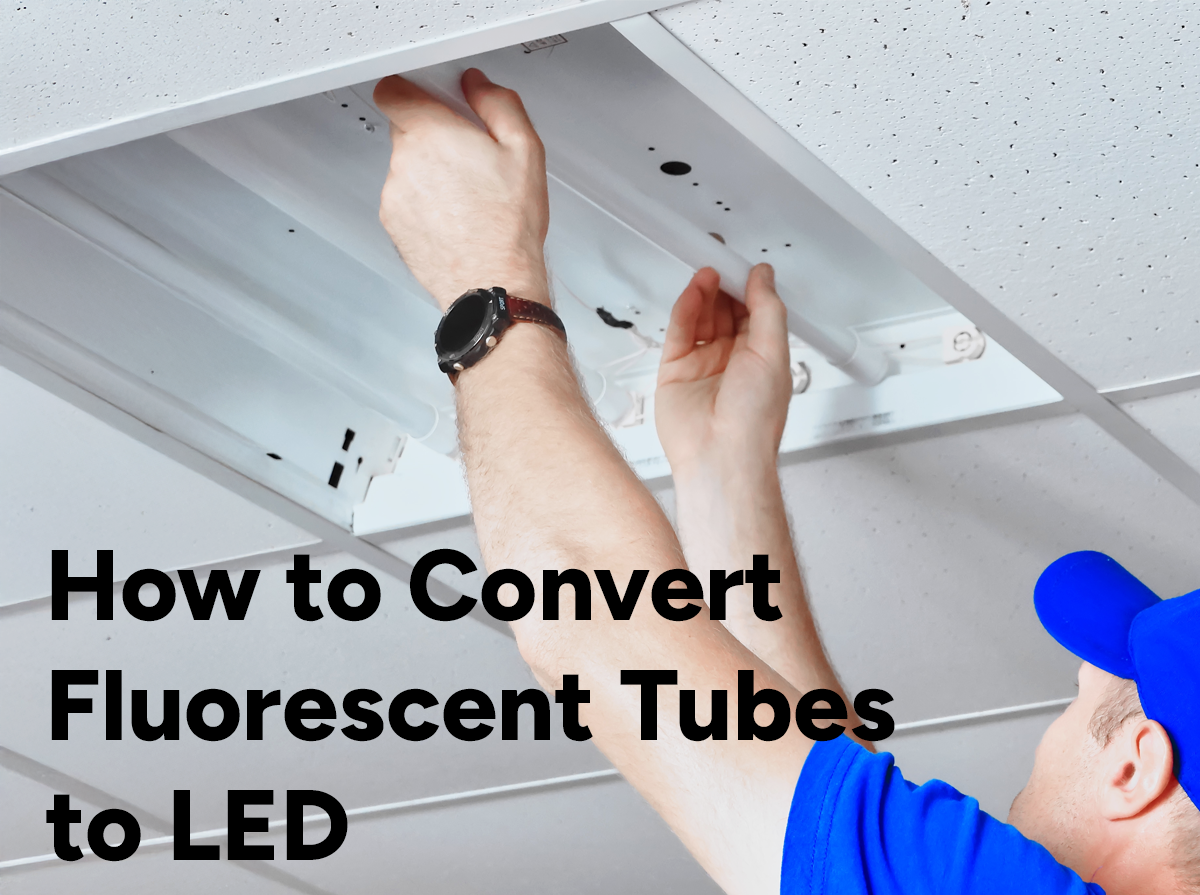
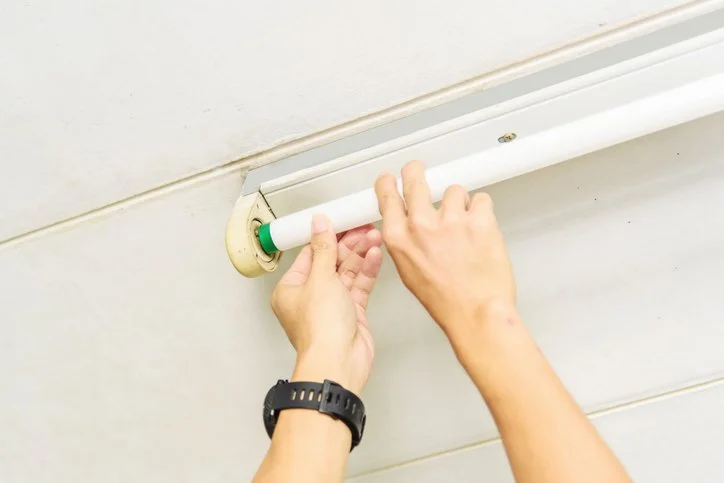
Installing the LED tube itself is usually straightforward. Insert the tube into the sockets and rotate it into the locked position just as you would with a fluorescent lamp.
For single-ended ballast bypass tubes, pay close attention to orientation. The powered end must align with the energized socket.
Safety Note: Some LED tube conversions require modifying existing fixture wiring. If you are unsure about handling electrical work, contact a licensed electrician for installation assistance.
Test Fixture Safely
Once installation is complete, restore power at the breaker and test the fixture.
LED tubes should illuminate immediately without flickering or warm-up delay. If the fixture does not operate correctly:
Verify socket seating
Recheck wiring
Confirm ballast compatibility
Confirm voltage requirements
Inspect socket configuration
Do not assume the LED tube itself is defective until compatibility and wiring are verified.
Ballast Bypass Explained Simply
Ballast bypass retrofits have become extremely common in commercial lighting upgrades because they simplify the fixture long term.
In a traditional fluorescent system, power flows from the electrical supply into the ballast, then from the ballast into the fluorescent tube. The ballast controls startup and regulates current flow.
In a ballast bypass system, the ballast is removed completely. Power flows directly from line voltage to the LED tube.
That creates several long-term advantages:
No future ballast replacement
No ballast compatibility concerns
Lower maintenance costs
Improved electrical efficiency
Simpler future relamping
For large facilities operating hundreds of fixtures, removing the ballast as a failure point can dramatically reduce maintenance calls over time.
Safety still matters, though. Ballast bypass involves working directly with line voltage wiring. In commercial facilities where multiple fixtures share circuits, every circuit must be verified as de-energized before rewiring begins.
A Type B tube installed improperly in a shunted socket can create arcing or fire hazards, which is why socket verification is so important during installation.
The long-term maintenance advantages are substantial. A direct-wire LED system rated for 50,000 hours can operate for many years before relamping becomes necessary. In a warehouse running lights 16 hours daily, that can translate into more than eight years of operation before the first replacement cycle.
Common Conversion Mistakes
Most fluorescent to LED conversion problems are preventable. The majority happen because fixture compatibility was never fully verified before installation.
One of the most common issues is incorrect voltage selection. Some LED tubes operate only on 120V systems, while many commercial buildings use 277V power. Installing the wrong voltage-rated tube can damage the product immediately.
Socket mismatch is another major problem. Installing ballast bypass LED tubes into shunted sockets is one of the most frequent retrofit errors and can create serious safety risks.
Other common mistakes include:
Mixing fluorescent and LED tubes within the same fixture
Ignoring ballast compatibility lists
Installing tubes in enclosed fixtures without proper ratings
Using incompatible dimmers
Rewiring fixtures incorrectly
Assuming every T8 LED fits every T8 fixture
Heat management is another area many installers overlook. Some LED retrofit tubes are not designed for enclosed fixtures, and excessive heat buildup can shorten lifespan or void warranties.
The safest retrofit projects are the ones that spend extra time verifying compatibility before installation begins.
How Much Energy Can You Save?
For most facilities, the biggest motivation to replace fluorescent tubes with LED systems is long-term operating cost reduction. The exact savings depend on fixture count, operating hours, utility rates, and the conversion method you choose, but the difference is usually substantial enough to justify the retrofit within a few years.
A standard 32-watt fluorescent tube consumes more than double the power of many modern LED retrofit tubes delivering comparable light output. When that reduction is multiplied across dozens or hundreds of fixtures operating every day, the savings compound quickly.
Most fluorescent-to-LED retrofit projects can significantly reduce lighting energy consumption, with savings often ranging from 25% to 50% or more depending on the existing fixture, operating hours, and selected LED products. Utility rebates available in some regions can further improve overall project economics and reduce upfront project costs.
According to the U.S. Department of Energy, LED lighting uses at least 75% less energy and lasts up to 25 times longer than incandescent lighting. While savings from fluorescent-to-LED conversions vary by application, many commercial facilities see substantial reductions in both energy and maintenance costs after upgrading.
The examples below are illustrative calculations based on fixture counts, operating schedules, LED wattage assumptions, and an electricity rate of $0.12 per kWh. Actual savings will vary depending on utility rates, operating hours, fixture configuration, maintenance costs, and the products selected.
Warehouse Example
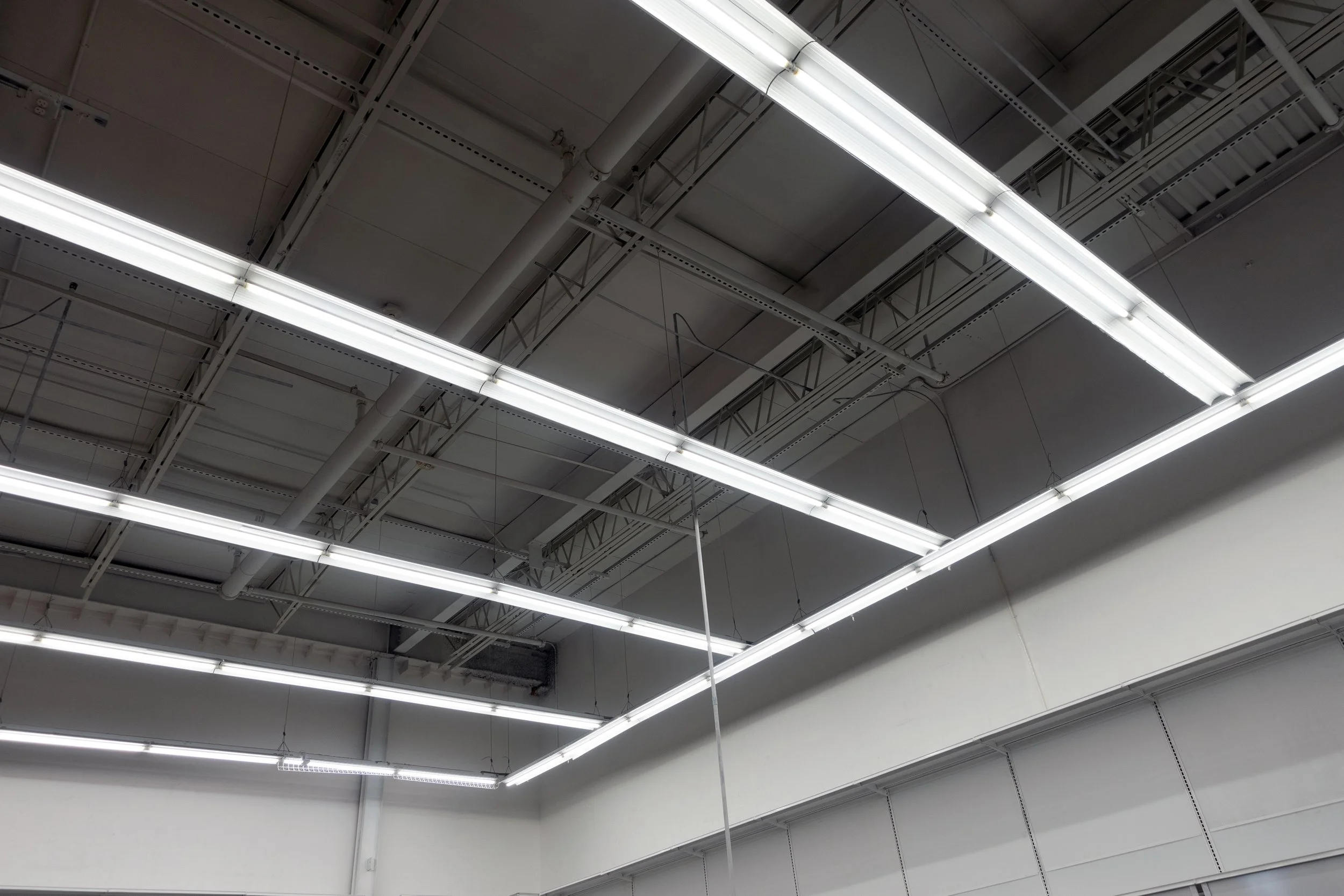
To understand the potential impact of an LED retrofit, consider a 100,000-square-foot warehouse operating 500 four-lamp T8 fixtures for approximately 5,000 hours each year. In facilities with long operating schedules, even small reductions in wattage can translate into significant annual savings.
Replacing 32-watt fluorescent tubes with 15-watt LED retrofit tubes reduces annual electricity usage by approximately 85,000 kWh.
At an average commercial electricity rate of $0.12 per kWh, that equals roughly $10,200 in annual energy savings.
That calculation does not include maintenance savings from:
Reduced relamping
Eliminated ballast replacements
Lower lift rental costs
Reduced downtime
Office Example
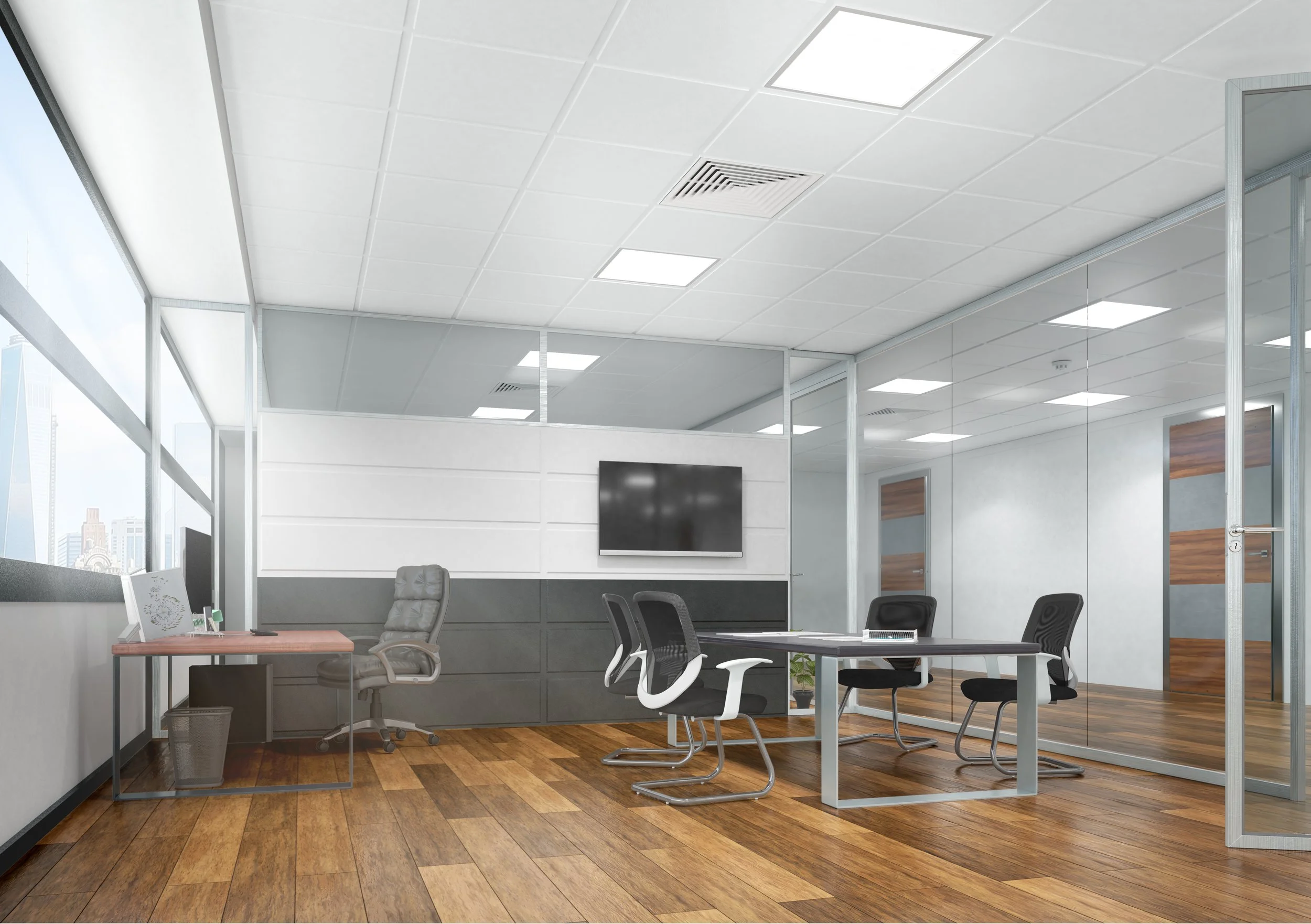
The benefits of LED retrofits are not limited to large industrial facilities. A smaller office building with 100 two-lamp T8 fixtures operating roughly 2,500 hours per year can still realize meaningful reductions in both energy consumption and maintenance costs.
Switching to 15-watt LED tubes lowers annual consumption by roughly 8,500 kWh, which translates to approximately $1,020 in annual electricity savings at $0.12 per kWh.
Even smaller facilities benefit because the operating cost difference exists every hour the lights are on.
For example:
A 32-watt fluorescent tube running 8 hours daily costs about $11.20 annually in electricity
A comparable 15-watt LED tube costs roughly $5.26 annually under the same conditions
That difference may seem small for one fixture, but multiplied across an entire facility, it becomes a significant operational expense reduction.
These figures are illustrative examples. Actual savings depend on local electricity rates, operating schedules, fixture conditions, and selected products.
Best LED Tubes for Different Applications
Not every LED retrofit tube is designed for the same environment. Brightness, color temperature, CRI, voltage compatibility, and fixture type all influence which product works best in a given space.
Warehouses
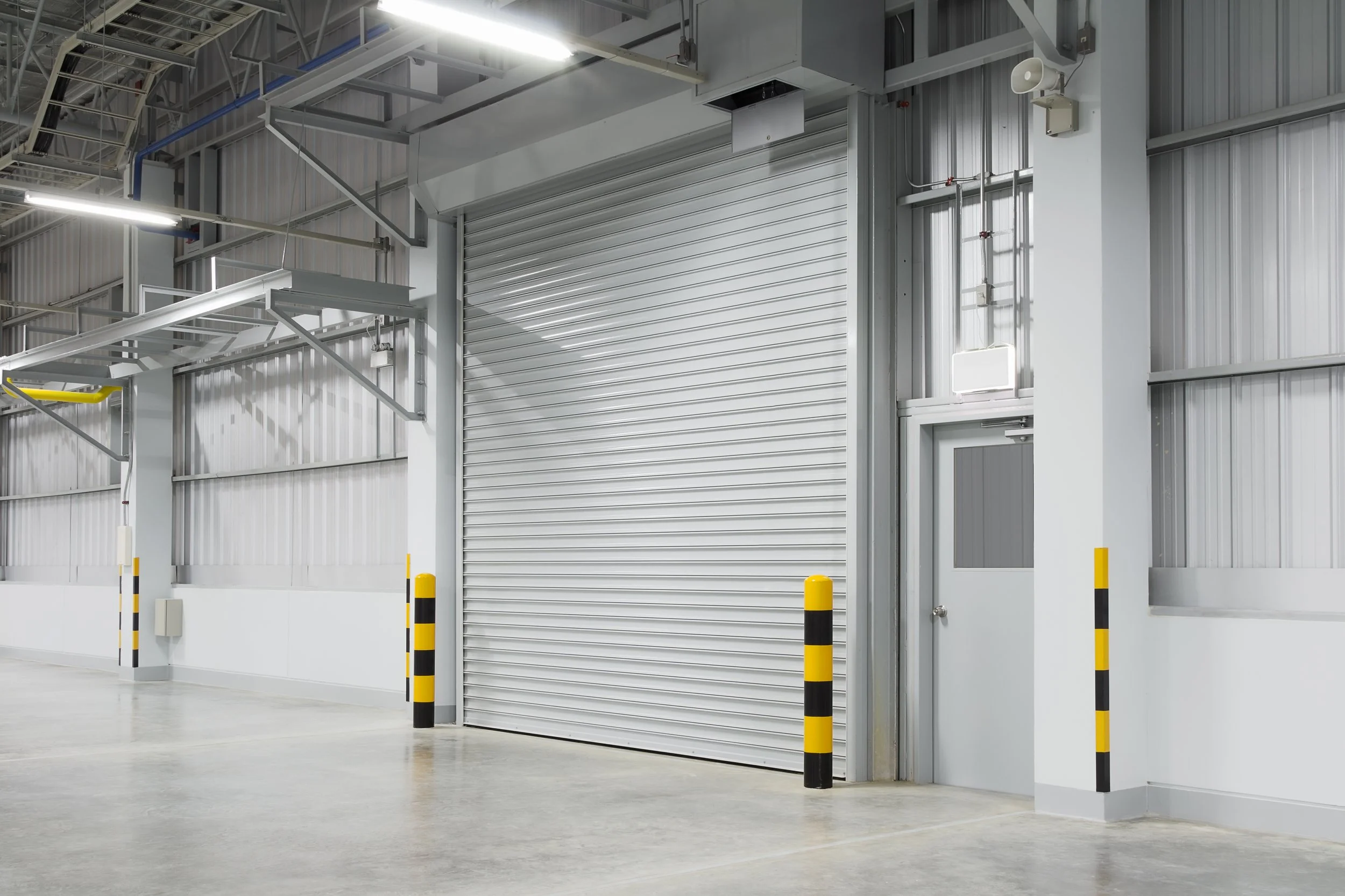
Warehouses usually benefit from high-output T8 LED tubes delivering 2,200 lumens or more with a 5000K daylight color temperature.
This cooler light improves visibility in:
Storage aisles
Shipping areas
Loading docks
Industrial workspaces
Facilities with high ceilings often benefit from tighter beam distribution that directs light downward more efficiently.
For large warehouse retrofits, ballast bypass LED tubes are usually the preferred long-term solution because they eliminate ballast maintenance entirely.
Offices
Office environments generally perform best with:
4000K cool white lighting
80 CRI or higher
Flicker-free operation
These specifications support visual comfort during long workdays while maintaining accurate color rendering for documents, screens, and collaborative spaces.
T8 LED tubes are commonly installed in troffers and recessed office fixtures during retrofits.
Garages
Garages and workshop spaces often benefit from 5000K daylight LED tubes because the higher color temperature improves visibility during detailed tasks.
Older garage fixtures frequently use T12 systems, which may require:
Direct-fit T12 LED tubes
Fixture upgrades
Ballast bypass conversion
In humid or semi-exposed garages, damp-rated LED tubes are strongly recommended.
Retail Spaces
Retail lighting places greater emphasis on color accuracy and presentation quality.
Many retail environments benefit from:
3500K to 4000K color temperatures
90+ CRI ratings
Stable, flicker-free illumination
These specifications help merchandise appear more natural and visually appealing without creating the harsh feel associated with very cool daylight lighting.
Schools
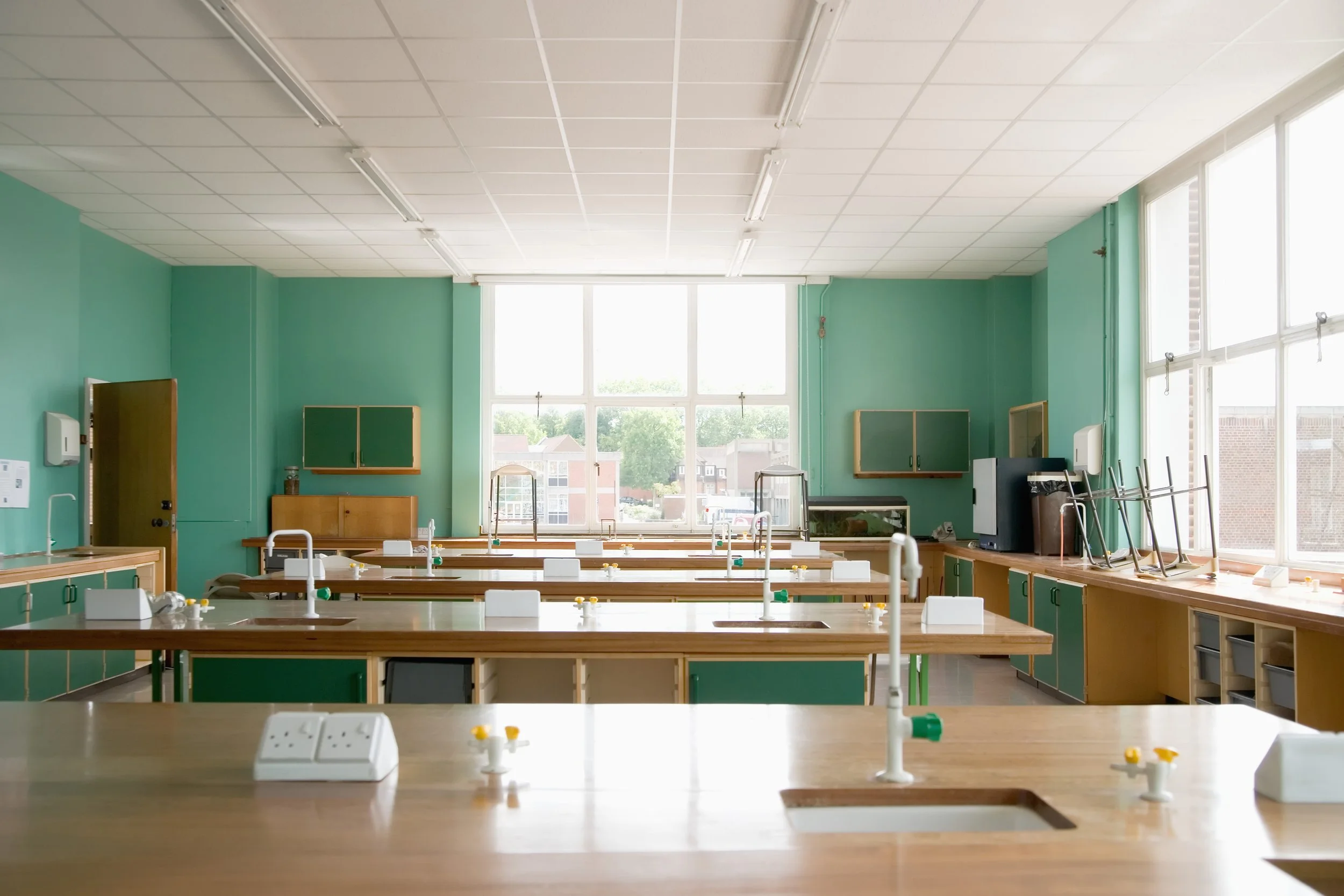
Schools often retrofit large fixture counts under strict maintenance budgets. Plug-and-play LED tubes can reduce installation labor costs because rewiring is minimized.
Educational facilities should prioritize:
Flicker-free tubes
Enclosed fixture compatibility
Reliable ballast compatibility
Long rated lifespan
Many school fixtures include lens covers, so enclosed-fixture-rated tubes are especially important.
Should You Retrofit or Replace the Entire Fixture?
Not every project requires a complete fixture replacement. In many cases, retrofitting existing fluorescent fixtures with LED tubes is the more practical and cost-effective solution.
Retrofit projects make the most sense when:
Fixture housings are still structurally sound
Wiring remains in good condition
Large fixture counts make replacement labor expensive
Existing fixture layout still works well for the space
For warehouses, schools, parking garages, and offices with hundreds of fixtures, retrofit tubes can dramatically reduce upgrade costs compared to replacing every fixture entirely.
However, full fixture replacement becomes the better long-term option when:
Fixtures are visibly corroded or damaged
Existing housings are more than 20 years old
Light distribution no longer suits the space
The project includes major remodeling
Integrated LED fixtures offer better performance for the application
Cost also plays a major role.
Typical retrofit tube pricing:
Approximately $5 to $20 per tube
New LED fixture pricing:
Roughly $30 to $100 or more per fixture before labor
For a 200-fixture warehouse, that cost difference becomes substantial very quickly. For a smaller office remodel with only a handful of fixtures, replacing everything at once may provide better long-term value.
When in doubt, call 1-800-624-4488.
The 1000Bulbs team can help evaluate fixture condition, retrofit costs, and long-term maintenance considerations for your specific project.
Why LED Retrofits Continue to Dominate Commercial Lighting
LED retrofits are no longer viewed as experimental upgrades or niche energy projects. For many commercial facilities, they have become the standard approach to reducing operating costs while improving lighting performance.
Payback periods are shorter than they were even a few years ago. Tube options are broader, compatibility has improved, and facilities now have multiple conversion paths depending on budget, labor availability, and maintenance goals.
Whether you are replacing a single garage fixture or upgrading lighting across a large distribution center, the process follows the same basic logic:
Understand your existing setup
Choose the correct conversion method
Verify compatibility before installation
Complete the retrofit safely the first time
Browse 1000Bulbs.com's selection of LED retrofit tubes, ballast bypass LED tubes, and commercial lighting products, or call 1-800-624-4488 to speak with a U.S.-based lighting professional. Whether you're planning a single fixture upgrade or a facility-wide retrofit, our team can help you identify compatible products, compare conversion methods, and choose the right solution for your application.
FAQs
Can I put LED tubes in a fluorescent fixture?
Yes, many LED retrofit tubes are specifically designed for fluorescent fixtures. However, the correct tube depends on your ballast type, socket configuration, and conversion method.
Do I need to remove the ballast?
You only need to remove the ballast when using ballast bypass (Type B) LED tubes. Plug-and-play (Type A) tubes are designed to operate with compatible existing ballasts. Hybrid (Type A/B) tubes offer additional flexibility because they can operate with a compatible ballast initially and later be rewired for ballast bypass operation if the ballast fails or becomes incompatible. This makes hybrid tubes a popular choice for phased retrofit projects.
Are ballast bypass LEDs better?
Ballast bypass LED tubes are often better for long-term commercial applications because they eliminate the ballast as a future maintenance issue. However, installation requires rewiring by a qualified electrician.
How long do LED tubes last?
Most commercial LED retrofit tubes are rated for around 50,000 hours or more. Actual lifespan depends on operating conditions, fixture temperature, and overall product quality.
Is converting fluorescent to LED worth it?
For most commercial and residential applications, converting fluorescent to LED is worth it because of lower energy consumption, reduced maintenance, longer lifespan, and improved lighting quality. Large facilities often see especially strong long-term savings.