
How to Light Your Walkway for Halloween Trick-or-Treaters
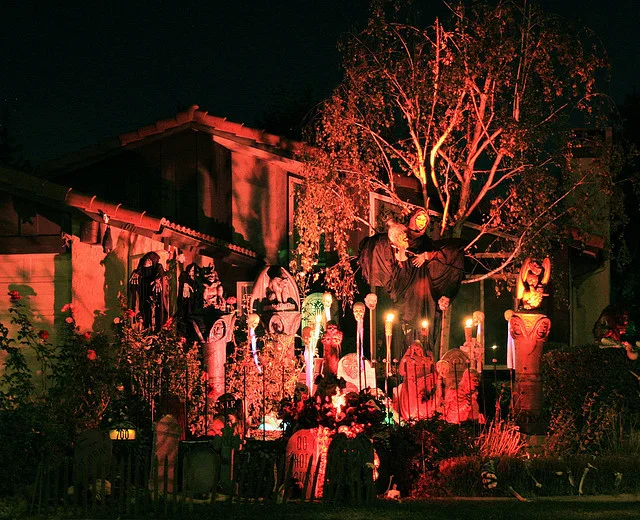
A dark walkway on Halloween night is a recipe for scraped knees and frustrated parents. The CPSC estimates an annual average of 3,200 Halloween-related ER visits, with falls among the leading causes. Trick-or-treaters move fast, often in costumes that limit their vision, and they're not watching where they step.
The right lighting makes the full route easy to follow while keeping the spooky atmosphere intact. This guide covers the best light types, placement strategies, color choices, safety tips, and power options to help you set up a walkway that looks festive and keeps visitors safe.
Best Types of Lights for a Halloween Walkway
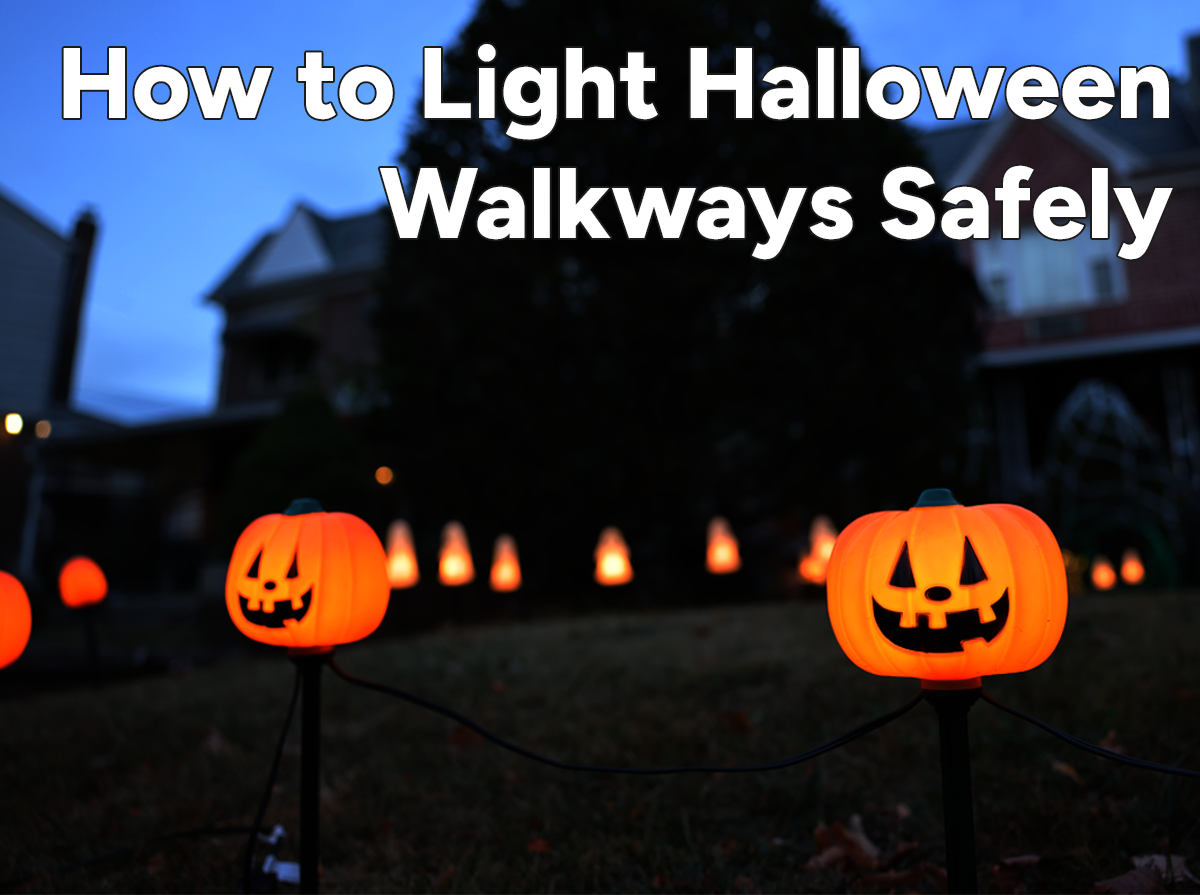
To light walkways safely for Halloween trick-or-treaters, use bright, evenly spaced pathway markers like LED stakes, glowing luminaria bags, or DIY pumpkin lanterns. Keep cords secure and out of the walking path, choose battery-operated or low-voltage lights to prevent tripping hazards, and make sure steps and obstacles are clearly visible.
Each light type has a specific job. Pathway stake lights mark where the route goes. Lanterns add atmosphere near the porch. String lights bring color overhead. When you know which product fits which role, you can layer them together for a display that looks festive and keeps visitors moving safely.
| Light Type | Best Use | Power Source | Key Advantage | Watch Out For |
|---|---|---|---|---|
| LED Pathway Stakes | Route marking | Plug-in, solar, or battery | Consistent low-level illumination | Stake stability in soft soil |
| Luminaries and Lanterns | Ambient glow, porch framing | Battery LED candles | Soft, decorative light | Tripping hazards if ground-set |
| String Lights | Fences, railings, shrubs | Plug-in or battery | Overhead color and atmosphere | Indoor vs outdoor rating |
| Rope Lights | Edge lines along borders | Plug-in with transformer (if not 120V) | Continuous glow | Connection limits |
| Solar Pathway Markers | No-cord route marking | Solar panel | Automatic dusk activation | Variable output in shade |
| Floodlights and Spotlights | Driveways, trees, facades | Plug-in | Broad or focused coverage | Glare toward visitors |
LED Pathway Stake Lights
Pathway stake lights are low fixtures that push into the soil beside your walkway, not into the walking surface itself. They create consistent illumination at ground level, which makes them ideal for marking where the route goes.
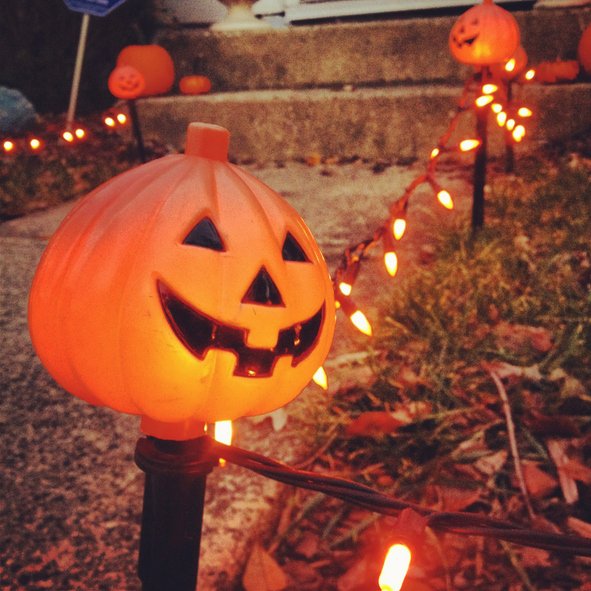
When picking stake lights, look at beam direction, brightness, spacing, stake stability, and whether the product is rated for damp or wet locations. Themed housings shaped like pumpkins or skulls add decoration, but the light still has to reveal the path edge and any nearby hazards.
Luminaries and Lanterns
A luminary is simply a decorative container with a light source inside. Paper bags weighted with sand, carved pumpkins, and glass lanterns all count.
Battery-operated LED candles work well for paper bags and pumpkins because they produce no flame and very little heat. The NFPA recommends battery-operated candles for jack-o'-lanterns and Halloween decorations for this reason. If you place luminaries on the ground, keep them outside the usable walkway width and below sightlines so they add atmosphere without blocking the route.
String Lights and Rope Lights
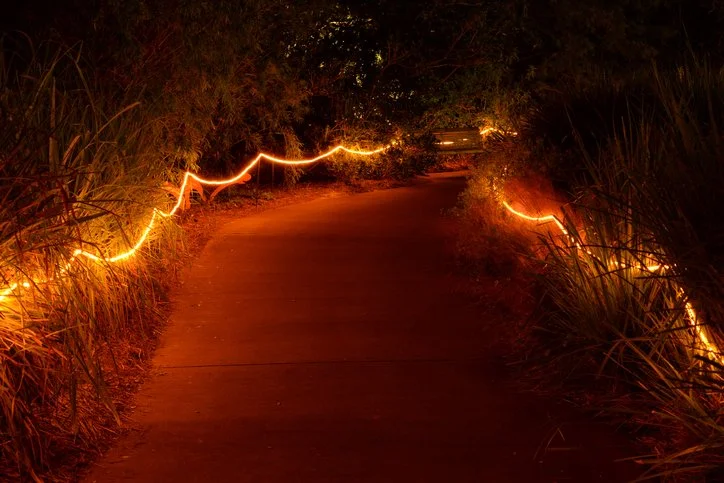
String lights work well on fences, railings, and shrubs beside the route. Rope lights can create a continuous edge line when installed according to the manufacturer's instructions.
Avoid placing either product loose across the path or anywhere visitors might step on it. Before installation, check the indoor/outdoor rating, maximum connected-run limit, and cord condition.
Solar Pathway Markers
Solar markers offer a no-cord advantage and often activate automatically at dusk. However, output depends on the product, battery condition, placement, weather, and how much daylight the solar panel receives.
Test solar lights after dark several days before Halloween. If any sections of the route look dim, supplement with plug-in or battery-powered fixtures.
Floodlights and Spotlights
Floodlights cover a broader area while spotlights use a narrower beam for a focal point. Both work well for driveway-to-walkway transitions, large front yards, trees, façades, and the front door.
Aim fixtures downward or across landscaping rather than toward visitors, sidewalks, neighboring windows, or road traffic. Sudden flashes or intense glare can interfere with safe walking.
How to Place Halloween Walkway Lights
Placement matters as much as the lights themselves. A daytime setup followed by a nighttime walk-through helps you catch problems before trick-or-treaters arrive.
1. Map the Full Route
Start where visitors leave the public sidewalk or driveway and continue to the candy station or front door. Include the return route, gates, porch landings, side paths, and any area where lines might form.
Walk the route during the day and identify steps, cracks, roots, drainage edges, low branches, décor, and narrow spots. Mark each one because those are the places that will need extra light.
2. Space Route Markers Consistently
Consistent visual rhythm helps visitors read where the path continues. Rather than following a universal spacing rule, add light where the route changes direction or where the ground surface shifts.
For wide paths, staggering fixtures on both sides can improve edge definition. Keep stakes fully seated and outside the walking surface.
3. Highlight Steps, Curves, and Uneven Spots
Add light at the top and bottom of steps, at elevation changes, at sharp turns, at cracked pavement, and at transitions between surfaces. Overlapping illumination lets a person approaching a hazard see it before reaching it.
Fog, dense décor, flashing effects, and deep color can camouflage edges, so keep functional light underneath any decorative layer.
4. Aim Fixtures Toward the Ground
Controlled downward light keeps attention on the walking surface and reduces direct glare. Shield or reposition visible bulbs, and check the view from a child's height as well as an adult's.
Watch for decorative shadows that might obscure steps or path boundaries.
5. Frame the Entry With Accent Lighting
Use slightly brighter or themed light at the porch or candy station to give visitors a clear destination cue. The house number, door, porch landing, and any step up to the entry all benefit from visibility.
Lighting Fact: On Halloween, a lit porch light commonly signals that a home welcomes trick-or-treaters, while a dark porch often indicates that the household is not participating. Local customs vary, so pair the porch light with clear route lighting or a sign when helpful.
Best Light Colors and Color Temperatures for Halloween
White Light Color Temperatures
Color temperature describes the appearance of white light in kelvins (K). For walkway safety, white light works best as the functional layer because it helps visitors distinguish edges, steps, and changes in surface.
Warm white (2700K-3000K): Comfortable, inviting light for porches, lanterns, and general route visibility.
Cool white (4000K and above): Crisper or ghostlier white light. Aim fixtures carefully to control glare.

Colored Light Bulbs
Colored light bulbs produce distinct hues such as orange, purple, or green. Manufacturers generally do not assign Kelvin ratings to saturated colored bulbs, so choose them by color and intended effect rather than color temperature. Use color as a secondary accent, especially away from steps and uneven surfaces.
Orange: A classic Halloween accent that feels energetic and welcoming. Use it beside, not instead of, functional white path light.
Purple: An eerie or mystical accent. Darker surfaces can be harder to distinguish under purple light, so pair it with useful white light.
Green: A witchy or swamp-like effect for landscaping and props. Avoid washing the entire walking surface in saturated color.
Brightness, beam spread, surface color, contrast, and fixture placement also affect visibility. A dim orange bulb beside a dark mulch bed may not reveal the path edge the way a warm white stake light would.
How to Layer Walkway Lighting for a Spooky Effect
Layering means combining functional and decorative light at different heights and intensities. The goal is atmosphere without sacrificing safety.
Think of it in three layers. The ground layer marks the route and reveals edges, steps, and changes in surface. The mid-height layer uses lanterns, lit props, shrubs, and low architectural accents to create depth. The upper or background layer adds string lights, tree uplighting, or façade accents to establish atmosphere without competing with the walking surface.
Use one dominant color story with warm or neutral route lighting to avoid visual confusion. After setup, test from the street, on the path, and from the porch. Reduce glare and fill any dark gaps.
Creative Halloween Pathway Lighting Ideas
Decorative layers add personality to your display. Keep them outside the clear route and use products approved for their setting.
Pumpkin Path Markers
Place carved pumpkins or reusable jack-o'-lanterns beside the walkway with battery-operated LED candles inside. Vary height or group in odd numbers, but maintain a consistent open walking width.
Mason Jar Luminaries
Use jars with battery-operated tea lights and translucent paint, tissue, or removable silhouettes for color and pattern. Place jars on stable, level surfaces outside the path.
Glowing Ghost Stakes
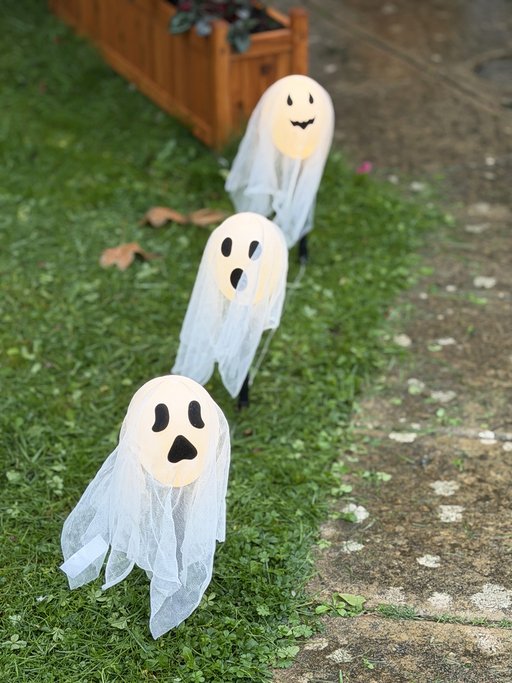
Create fabric or molded ghost figures lit with low-heat LED sources and secured beside the route. Keep fabric, stakes, and support lines from extending into the walking path.
Flickering Candle Lanterns
Lanterns with flameless flickering LEDs create candlelike movement without an exposed flame. Group near the porch or alternate with pathway markers for rhythm.
Shadow and Silhouette Accents
Project or cast shapes onto a wall, garage door, fence, or landscaping away from the walking surface. Keep projectors and cords out of traffic areas and aim effects away from eyes, drivers, and neighbors.
Safety Tips for Lighting Your Walkway on Halloween Night
Decorations add fun, but they can reduce route visibility or usable walking width if you're not careful. With pedestrian fatalities 43% higher on Halloween according to a JAMA Pediatrics study, a few precautions help visitors of all ages move through safely.
Keep the Path Bright Enough for Visitors to See
Masks, hats, makeup, props, and excitement can reduce attention and peripheral vision. Check that visitors can distinguish path edges, steps, surface changes, and obstacles without looking directly into a bulb.
Clear Trip Hazards and Fallen Leaves
Sweep leaves and debris. Move hoses, tools, planters, and loose décor. Trim low branches. Repair or clearly illuminate uneven pavers and cracks where practical.
Recheck the route shortly before trick-or-treating begins and after wind or rain.
Keep Cords Out of the Walking Route
Route cords along boundaries where visitors will not cross them. If a crossing cannot be avoided, use a purpose-designed, outdoor-suitable cord protector installed according to its instructions.
Use Products Rated for the Intended Location
Outdoor use, damp-location, and wet-location markings are product-specific and not interchangeable. Follow the product label and manufacturer instructions for exposure to rain, sprinklers, and standing water.
Inspect for damaged insulation, cracked sockets, missing covers, loose plugs, and corrosion. Remove damaged products from service.
Avoid Distracting Flashes and Glare
Keep rapid flashing, intense strobes, and high-contrast effects away from steps and the main pedestrian route. Use steady functional lighting underneath any animated or color-changing decorative layer.
Power Your Halloween Walkway Lights Safely
Plug-in, low-voltage, battery, and solar choices each have their own considerations. No single power source is automatically safe in every setup.
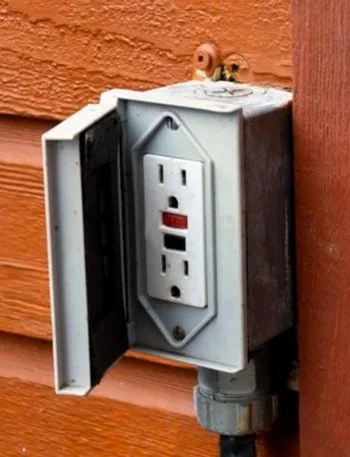
Outdoor Outlets and GFCI Protection
A GFCI (ground-fault circuit interrupter) is designed to interrupt power when it detects a leakage current that could contribute to shock. Outdoor receptacles benefit from appropriate GFCI protection and weather protection as required for the installation.
If you're uncertain about your circuit or notice missing protection or damaged outlets, a licensed electrician can help.
Extension Cords, Loads, and Connections
Use extension cords marked for outdoor use and sized for the connected load and length. Do not daisy-chain extension cords, overload receptacles, defeat grounding features, or exceed the light set's maximum connected-run limit.
Keep plugs and connection points off the ground and protected only as the product instructions permit. Unplug equipment before replacing bulbs, changing connections, or repositioning damaged components.
Timers and Dusk-To-Dawn Controls
Timers can align operation with trick-or-treating hours and prevent lights from being left on unintentionally. Dusk-to-dawn controls activate in low ambient light, so position sensors where decorations or other lights will not interfere.
Confirm that the control is rated for the location, voltage, load type, and total connected load.
Test the Setup Before Halloween Night
Run the complete display after dark several days in advance, then check it again on Halloween afternoon and after sunset. Confirm every route marker works, solar lights received adequate charge, timers are correct, and no protection device trips.
Keep replacement batteries and approved spare bulbs available, but do not make electrical repairs while visitors are using the route.
Tip: A 10-minute pre-opening check covers leaves, steps, cords, wet connections, failed lights, glare, and route width.
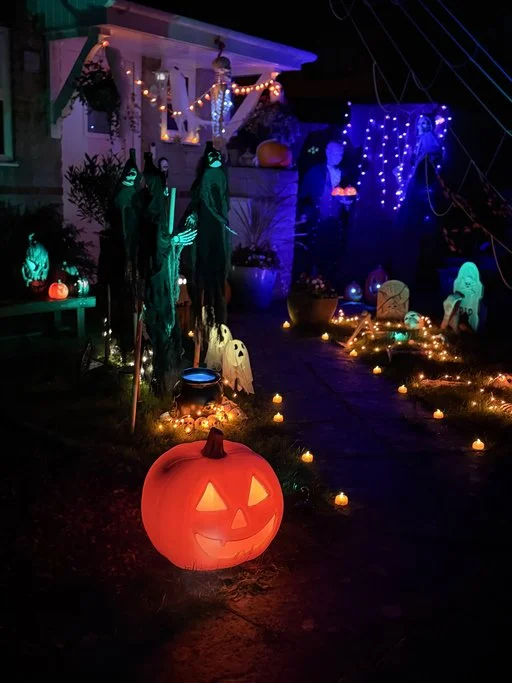
Light Your Halloween Walkway with 1000bulbs.Com
Start by mapping the route, removing hazards, and establishing useful light. Then add color and decorative layers. Following that sequence keeps safety at the foundation while giving you room to get creative.
1000Bulbs.com carries outdoor and landscape lighting, patio string lights, rope lights, and colored bulbs that can help you build a walkway display that looks great and keeps trick-or-treaters safe.
Have questions about location ratings, power requirements, or product compatibility? Call a 1000Bulbs lighting specialist at 1-800-624-4488 for help choosing the right products for your setup.
Frequently Asked Questions About Halloween Walkway Lighting
What is the Halloween porch light rule?
The "porch light rule" is an informal custom where a lit porch light often signals that a household is welcoming trick-or-treaters, while a dark porch often indicates it is not participating. Local customs vary, so consider signs, neighborhood guidance, and clear route lighting as well.
How many lumens do I need for a safe Halloween walkway?
There is no single per-fixture number for every walkway. Required light depends on spacing, beam pattern, mounting height, existing ambient light, surface color, and hazards. Choose enough output to reveal edges, steps, and obstacles without glare, then test the completed setup after dark.
Are solar pathway lights bright enough for trick-or-treaters?
Solar pathway lights can work as route markers when they receive adequate charge and produce sufficient output, but performance varies by product, battery condition, shade, and weather. Test them after dark and supplement steps, curves, and dim areas as needed.
Can I leave Halloween walkway lights on all night?
Operation time depends on the product's instructions, condition, location rating, and power setup. An outdoor-rated timer can turn the display off after the expected visitor window. Switch off any damaged or wet equipment immediately.