
Restaurant Lighting Design: How to Create the Perfect Atmosphere
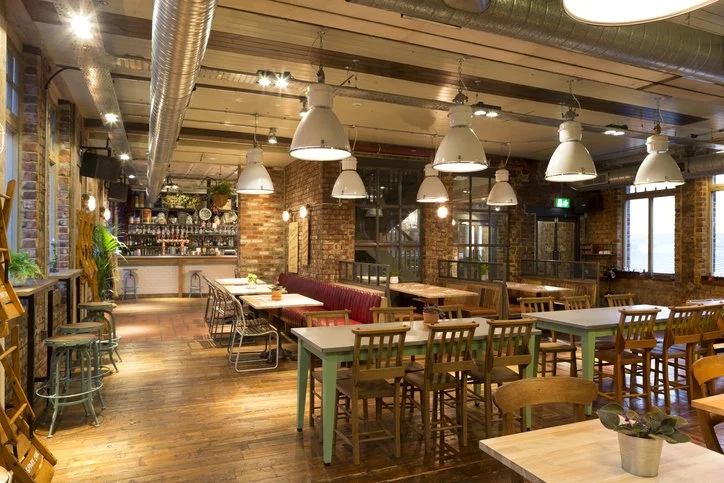
A restaurant can have great food and still feel wrong. Often, the problem is lighting.
The right lighting plan layers multiple fixture types, balances warm and cool color temperatures by zone, and gives staff control over brightness throughout the day. This guide covers how to build that plan, from choosing fixtures and color temperatures to setting up controls and meeting code requirements.
Why Restaurant Lighting Shapes the Dining Experience
Restaurant lighting does more than illuminate a room. It affects how long guests stay, how appetizing food looks, and whether people feel relaxed or rushed. A layered lighting approach, one that combines ambient lighting for general illumination, task lighting for work areas, and accent lighting for visual interest, gives you control over all of that. Warm color temperatures between 2200K and 3000K tend to work best in dining spaces because they make food colors look natural and skin tones flattering.
Here's something you might not expect: the color temperature of your lights can influence how quickly tables turn. Dimmer, warmer lighting encourages guests to linger, order dessert, maybe another glass of wine. Brighter, cooler lighting does the opposite. Quick-service restaurants and breakfast spots often run their fixtures at higher output for exactly that reason.
Poor lighting is one of the most common complaints in online restaurant reviews. "Too dark to read the menu" and "too bright and clinical" sound like opposite problems, but they point to the same root cause: a lighting plan that's missing a layer. When each zone has the right fixture type and color temperature, those complaints tend to disappear.
The Four Layers of Restaurant Lighting
Most restaurants that feel "off" rely on a single fixture type throughout the space. A layered approach gives you control over mood, visibility, and energy use, zone by zone. Let's break down each layer.
Ambient Lighting
Ambient lighting is the foundation. It provides even, general illumination across the dining room without harsh shadows or bright spots that draw the eye.
Recessed downlights spaced 6 to 8 feet apart work well for standard 8- to 10-foot ceilings. If your ceilings run higher than 12 feet, you'll likely want higher-lumen fixtures or LED panels to maintain adequate light levels. Back-of-house areas typically use troffers or linear LED fixtures, which deliver consistent coverage without adding visual clutter.
A useful spacing rule: place fixtures at 1 to 1.5 times the mounting height above the floor. So for a 10-foot ceiling, fixtures would be spaced roughly 10 to 15 feet apart. This avoids dark gaps while preventing overlapping hot spots.
Task Lighting
Task lighting improves visibility where staff perform detailed work. Kitchen prep stations typically call for 50 to 75 foot-candles of light to support safe knife work and accurate quality checks. That's well above the 10 to 20 foot-candles common in the dining room.
Host stands and POS terminals fall somewhere in between, generally 30 to 50 foot-candles. The goal is enough light for staff to read screens and menus clearly without spilling glare into the dining room. Under-cabinet fixtures, LED wraps, and vapor-tight fixtures handle these applications well.
One more thing: color temperature for task areas typically runs cooler than dining areas, usually 3500K to 4100K. Cooler light improves visual acuity and contrast, which matters when you're doing close detail work.
Accent Lighting
Accent lighting draws attention to architectural features, artwork, and displays. Track lighting and adjustable spotlights are popular here because you can redirect light toward changing menu boards or seasonal displays without rewiring anything.
Beam angle matters more than you might think. A narrow 15- to 25-degree beam creates a dramatic spotlight effect on a single object. A 40-degree or wider flood beam works better for washing an entire wall or illuminating a shelf display.
LED strip lighting under shelves, coves, or bar tops delivers accent lighting without a visible fixture. This keeps sight lines clean while adding depth to the space.
Decorative Lighting
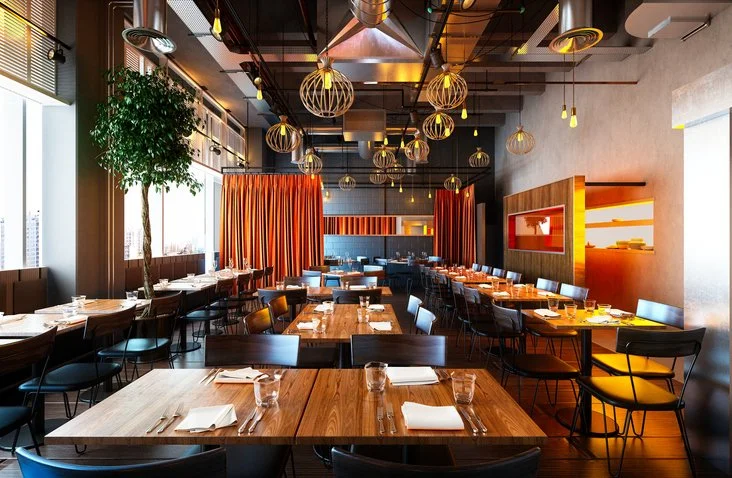
Decorative fixtures pull double duty as design statements and functional light sources. Pendant lights and chandeliers contribute to both illumination and brand identity, so it's worth confirming lumen output, not just style, when selecting them.
LED filament bulbs replicate the warm glow of vintage Edison bulbs while lasting far longer and running cooler. Silver bowl bulbs are another option for pendants directly over tables. They direct light downward and reduce glare for seated guests.
Tip: Decorative fixtures belong on your maintenance schedule. Visible fixtures show dust, mismatched color temperatures, and burned-out bulbs far more than recessed or hidden lighting.
Choosing the Right Color Temperature and CRI
Color temperature is measured in Kelvin. Lower numbers (2700K to 3000K) produce warm, amber-toned light. Higher numbers (4000K and up) produce cooler, bluish-white light. For dining rooms, warmer is almost always better.
CRI stands for Color Rendering Index. It measures how accurately a light source reveals true colors compared to natural daylight, on a scale of 0 to 100. A CRI of 90 or above is recommended for dining rooms so food, skin tones, and décor colors appear natural rather than washed out.
One common mistake: mixing color temperatures in the same sight line. A 3000K pendant next to a 4000K recessed can looks off, even if guests can't name the cause. Consistency matters.
| Zone | Recommended Kelvin | Recommended CRI | Foot-Candles |
|---|---|---|---|
| Entry and waiting area | 3000K | 80+ | 30–50 fc |
| Main dining room | 2700–3000K | 90+ | 10–20 fc |
| Bar and lounge | 2700–3200K | 80–90 | 20–30 fc |
| Kitchen and prep | 3500–4100K | 80+ | 50–75 fc |
| Restrooms | 3000–3500K | 80+ | 20–30 fc |
Lighting Design by Restaurant Zone
Entry and Waiting Area
The entry sets guest expectations within seconds. Brighter, warmer transition lighting (around 3000K) helps eyes adjust from outdoor daylight or evening darkness before guests reach the dimmer dining room.
A decorative fixture at the host stand, whether a statement pendant or a pair of matching sconces, reinforces brand identity. It's the first and last thing guests see.
Main Dining Room
Pendant lights over tables work best when hung 28 to 34 inches above the tabletop. This height provides focused light without blocking sightlines or shining into guests' eyes.
Warm color temperatures (2700K to 3000K) paired with dimming controls let staff shift from bright lunch lighting to intimate dinner lighting on the same fixtures. When positioning recessed cans, angle them to avoid direct line-of-sight glare from typical seating positions.
Bar and Lounge
Under-bar LED strips and shelf lighting highlight bottles and glassware, turning the back bar into a visual feature while giving bartenders enough light to work safely.
Putting accent lighting on a separate dimmer lets the bar maintain a different atmosphere than the dining room during evening hours. Decorative pendants over the bar top work well, but space them to avoid glare directly in seated guests' eyes.
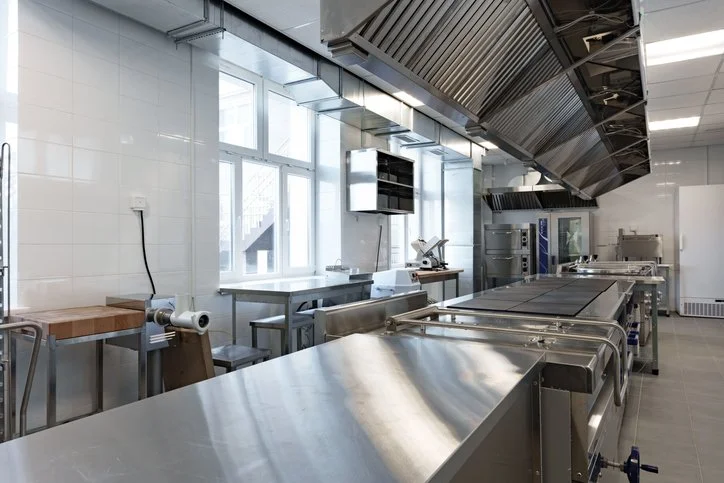
Kitchen and Prep Areas
NSF-rated and vapor-tight fixtures are typically required by local health codes in food prep, dish, and walk-in cooler areas. NSF stands for National Sanitation Foundation, and fixtures with this rating resist grease, steam, and washdown cleaning.
High-output LED fixtures delivering 50 to 75 foot-candles support safe knife work and food safety inspections. Emergency lighting and occupancy sensors keep circulation paths lit during power interruptions and reduce energy waste in storage areas that aren't constantly occupied.
Restaurant Lighting Controls and Dimming
Wall dimmers give servers and managers immediate control over ambiance. They're often the simplest and most affordable control upgrade for smaller restaurants.
Preset scene controllers take this a step further. They let you switch instantly between a bright lunch setting and a dim dinner setting with one button, rather than manually adjusting multiple dimmers during service transitions.
A few other controls worth considering:
Occupancy sensors: Automatically turn lighting off in restrooms, walk-ins, and storage areas when unoccupied.
Daylight harvesting sensors: Reduce electric lighting near windows during bright daylight hours.
Photocells: Control patio and exterior lighting based on natural light levels, so outdoor dining areas turn on at dusk without staff intervention.
One practical note: put ambient fixtures on a separate dimming circuit from task and accent lighting. This lets staff lower dining room brightness for dinner service while keeping back-of-house lighting at full output.
Energy-Efficient LED Lighting for Restaurants
LED tube conversions (T8 or T5 retrofit kits) typically cut lighting energy use by 40 to 50 percent compared to fluorescent tubes. They also eliminate flicker and ballast maintenance, which adds up over time.
CFL and HID-to-LED retrofits reduce both energy costs and heat output. Lower heat output can meaningfully reduce HVAC load in kitchens running high-wattage fixtures for hours a day.
Many utility companies offer rebate programs for verified LED retrofits in commercial kitchens and dining rooms. The rebates can offset a meaningful portion of the upfront retrofit cost, so it's worth checking what's available in your area.
Longer LED lifespans, often 25,000 to 50,000 hours, reduce the frequency of relamping labor. For restaurants, that labor savings matters as much as the energy savings.
Exit and Emergency Lighting Requirements
Most jurisdictions require illuminated exit signs and emergency egress lighting sized to keep exit paths visible for at least 90 minutes during a power outage, per the NFPA 101 Life Safety Code.
Exit signs and emergency fixtures are now available in styles that blend into a restaurant's design. Edge-lit and recessed models meet code requirements without looking institutional in the dining room.
Emergency lighting requires monthly function tests and an annual 90-minute duration test. Document the results for the local fire marshal's inspection.
Plan Your Restaurant Lighting with 1000bulbs.Com
A good restaurant lighting plan layers ambient, task, accent, and decorative fixtures across each zone. Matching color temperature and CRI to each area, then adding dimming controls, gives you flexibility to shift atmosphere throughout the day.
If you're planning a retrofit or new build, our lighting specialists can help you select fixtures, lamps, and controls for each zone. Call us at 1-800-624-4488 or contact us here to get started.
Frequently Asked Questions
What Color Temperature Is Best For Restaurant Lighting?
Dining rooms and bars generally look best at 2700K to 3000K warm white, which creates a relaxed atmosphere and makes food colors appear natural. Kitchens and prep areas perform better with cooler 3500K to 4100K light for visual accuracy during food handling.
What CRI Rating Do Restaurants Need?
A CRI of 90 or higher works best in dining rooms and food display areas, since high-CRI light renders food colors and skin tones accurately. A CRI of 80 or above is acceptable for back-of-house and storage areas where color accuracy is less critical.
How Bright Does Restaurant Lighting Need To Be?
Dining rooms typically use 10 to 20 foot-candles for a comfortable ambient glow. Kitchens and prep stations call for 50 to 75 foot-candles to support safe food handling. Entry areas usually fall between, around 30 to 50 foot-candles.
What Lighting Fixtures Work Best Above Restaurant Tables?
Pendant lights are the most common choice, hung 28 to 34 inches above the tabletop to provide focused light without blocking sightlines. Dimmable pendants in warm 2700K to 3000K color temperatures let staff adjust brightness from daytime to evening service.
Are LED Lights Better Than Halogen For Restaurants?
LED lights use significantly less energy, generate far less heat, and last 25,000 to 50,000 hours compared to a few thousand hours for halogen. The lower heat output also reduces strain on HVAC systems in kitchens.
Do Restaurants Need Dimmable Lighting?
Dimmable lighting in the dining room, bar, and lounge allows staff to shift atmosphere throughout the day. Dimming also extends fixture lifespan and reduces energy use, since LEDs draw less power at lower output levels.
What Lighting Is Recommended For Commercial Kitchens?
Commercial kitchens call for bright, NSF-rated or vapor-tight LED fixtures delivering 50 to 75 foot-candles of light in a cooler 3500K to 4100K color temperature. Fixtures rated to withstand grease, steam, and washdown cleaning are standard in food prep and dish areas.
How Often Do Restaurant Lighting Fixtures Need Maintenance?
Cleaning fixtures quarterly prevents grease and dust buildup, which can reduce light output over time, especially in kitchens. Emergency lighting requires monthly function tests and an annual 90-minute duration test to remain code compliant.
Can LED Lighting Reduce Restaurant Energy Costs?
LED tube conversions and HID-to-LED retrofits typically cut lighting energy use by 40 to 50 percent compared to older fluorescent or HID fixtures. Combining LED fixtures with occupancy sensors, dimmers, and daylight harvesting controls compounds the savings.
Do Restaurants Need Emergency Lighting?
Most jurisdictions require illuminated exit signs and emergency egress lighting capable of keeping exit paths visible for at least 90 minutes during a power outage, under NFPA 101 life safety code. Edge-lit and recessed emergency fixtures can blend into the overall lighting design rather than stand out.