
Office Lighting Standards: What Businesses Need to Know
| What This Article Covers |
|---|
Office lighting standards aren't just about compliance — they directly affect how comfortable, focused, and productive your employees are throughout the workday. Getting them right also has real cost implications, from energy bills to maintenance schedules to the long-term performance of your fixtures. This guide covers recommended brightness levels for different office areas, the fixture types that work best in modern commercial spaces (troffers, panels, task lighting, and smart controls), and how to choose between plug-and-play and direct-wire LED retrofit paths. It also explains how smart lighting systems reduce energy costs, the most common compliance mistakes businesses make, and why poor lighting is a productivity issue, not just a comfort one. Best for: facility managers, office building managers, commercial property owners, DIY retrofitters, and anyone planning an office lighting upgrade or troubleshooting an existing fluorescent system. |
Most businesses do not think about office lighting standards until employees start complaining about glare, headaches, dim work areas, or rising energy costs. But lighting affects far more than visibility. It plays a direct role in employee comfort, productivity, safety, and long-term operating efficiency.
The challenge is that many office spaces still rely on outdated fluorescent solutions or lighting layouts that were never designed for today’s work environments.
This guide explains the office lighting standards businesses should understand, recommended brightness levels for common office areas, and the fixture types that work best in modern commercial spaces.
Why Office Lighting Standards Exist
Office lighting standards are not simply regulatory checklists. They are based on decades of research into how lighting affects visual comfort, workplace performance, and safety inside commercial environments.
Poor lighting creates problems that build gradually over time. Employees may experience eye strain, fatigue, headaches, difficulty focusing, or discomfort caused by glare and uneven illumination. In larger offices, inconsistent lighting can also affect navigation, collaboration spaces, and overall workplace appearance.
Good office lighting standards help businesses create spaces that are easier and more comfortable to work in throughout the day.
Employee Comfort
One of the biggest goals of office lighting standards is reducing visual strain.
Employees spend hours looking at screens, documents, and surrounding workspaces. When lighting is uneven or too dim, the eyes work harder to compensate. Harsh glare from poorly positioned fixtures can make the problem even worse.
Modern office lighting layouts focus on:
Even illumination across the workspace
Reduced glare on monitors and desks
Comfortable brightness levels
Balanced contrast between work areas and surrounding spaces
That balance helps employees remain visually comfortable during long workdays.
Productivity And Focus
Lighting affects concentration more than many businesses realize.
Organizations such as the Illuminating Engineering Society (IES) have published extensive research on lighting quality and workplace performance. Proper lighting helps support task accuracy, focus, and visual clarity throughout the day.
Color temperature also affects how office spaces feel.
Cooler neutral-white lighting in the 4000K to 5000K range is commonly used in work-focused office environments because it supports alertness and visibility. Warmer lighting is more common in lounges, waiting areas, and collaborative spaces intended to feel more relaxed.
Eye Strain Reduction
Flickering fluorescent fixtures, uneven brightness, and poor color rendering are some of the most common causes of office lighting complaints.
Modern LED office lighting helps reduce those issues by providing:
More stable light output
Better color consistency
Reduced flicker
Higher CRI for more accurate color rendering
Natural daylight also plays an important role when available. Many modern office lighting strategies combine daylight with overhead ambient lighting and supplemental task lighting at individual workstations.
Workplace Safety
Office lighting standards also support workplace safety requirements.
OSHA requires adequate lighting in work areas, walkways, stairwells, and exits so employees can move safely throughout the building. Emergency and exit lighting systems are covered separately under life-safety requirements such as NFPA 101.
General office workspaces commonly operate within a moderate footcandle range designed to balance visibility, comfort, and energy efficiency without over-lighting the environment.
Recommended Brightness Levels For Offices
One of the most common questions businesses ask is how bright an office should actually be.
The answer depends on the type of work being performed and the purpose of the space. Conference rooms, hallways, open offices, and detailed task areas all have different lighting needs.
Commercial lighting levels are typically measured in footcandles, which describe how much usable light reaches a surface area.
General Office Areas
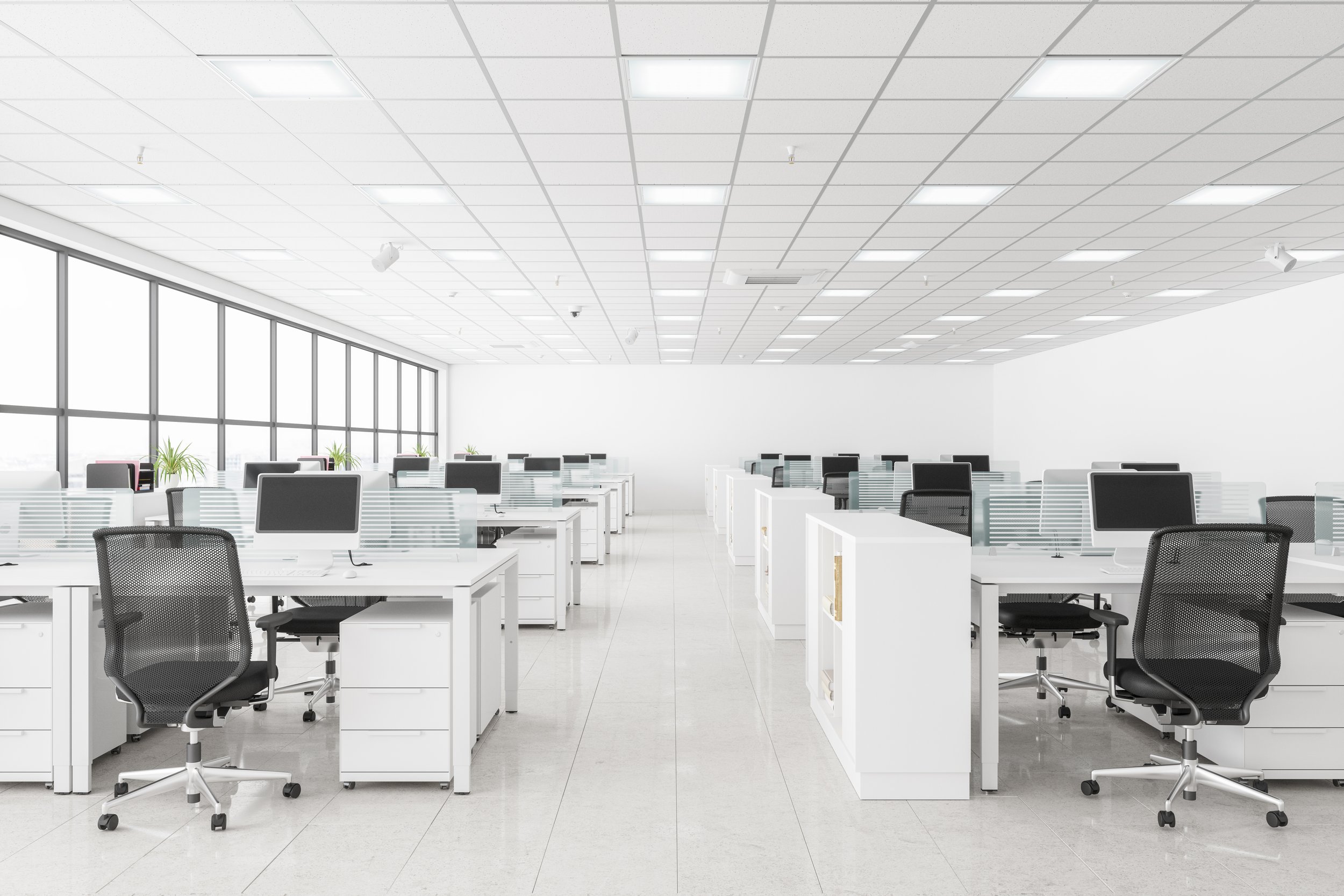
Open office environments commonly operate within a moderate brightness range designed for computer work, reading, writing, and general movement throughout the space.
The goal is not maximum brightness. Over-lighting an office can create glare, visual fatigue, and unnecessary energy use just as easily as under-lighting can create eye strain.
Most open-plan offices prioritize:
Even fixture spacing
Consistent brightness across the floor
Reduced glare on monitors
Comfortable ambient illumination
Uniformity matters just as much as raw output. Offices with bright hotspots and dark corners tend to feel visually uncomfortable even if average light levels appear acceptable overall.
Task-Intensive Workspaces
Areas involving detailed reading, drafting, design work, or precision tasks usually require higher illumination than standard office zones.
Instead of dramatically increasing overhead lighting across the entire office, many businesses use dedicated task lighting at individual workstations to provide additional visibility where needed.
This approach improves flexibility while avoiding excessive overall energy use.
Conference Rooms
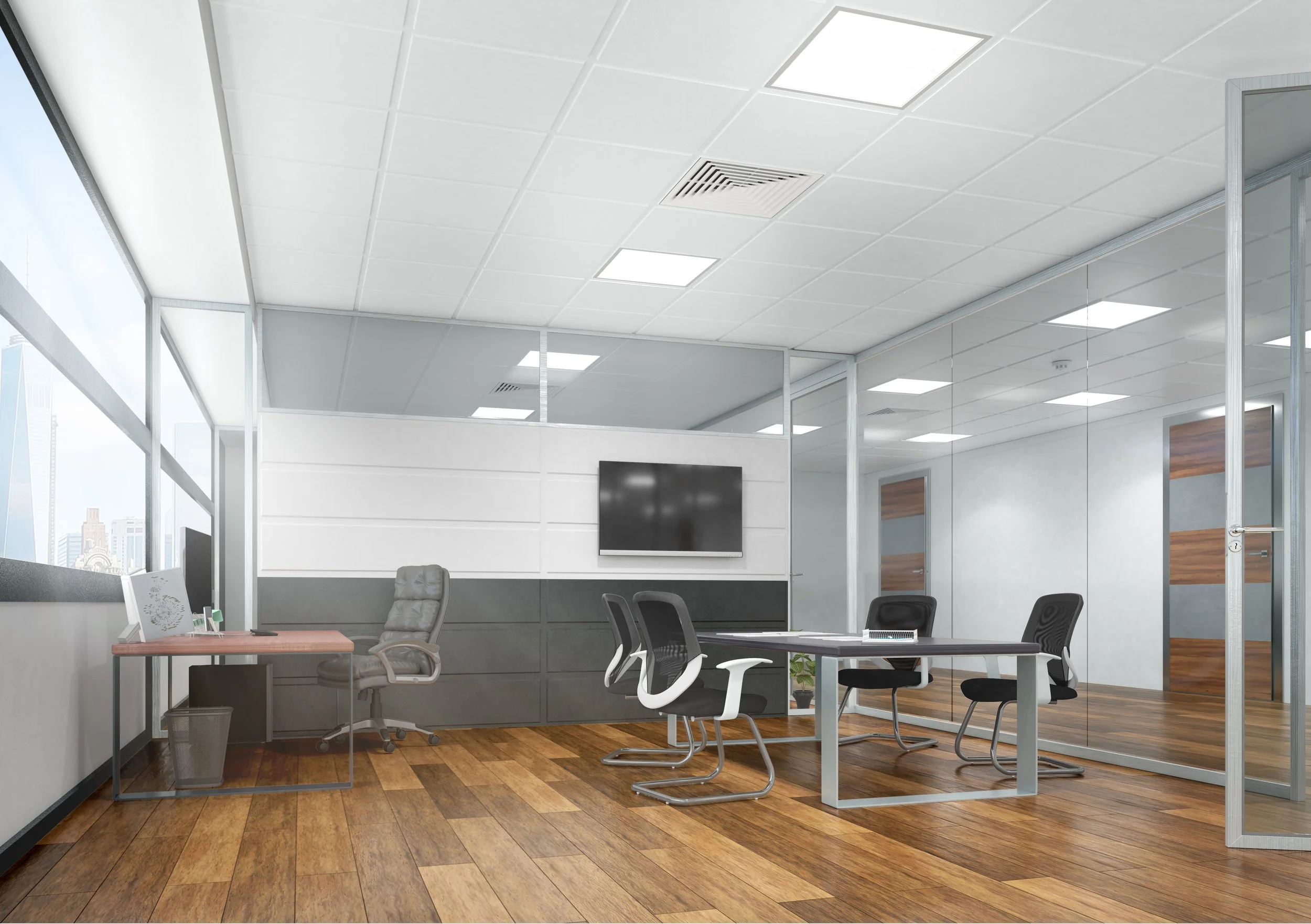
Conference rooms require more adaptable lighting than most office spaces.
Meetings, presentations, video calls, and collaborative sessions all place different demands on the lighting system. That is why dimming capability is often more important than simply increasing fixture brightness.
Layered lighting works especially well in conference environments because it allows the room to shift between:
General meeting illumination
Presentation mode
Video conferencing visibility
Collaborative workspace lighting
Color-selectable LED fixtures are also becoming more common in conference rooms where businesses want greater flexibility throughout the day.
Best Office Lighting Fixture Types
The right office lighting fixture depends on the layout of the space, ceiling type, work being performed, and the level of flexibility the business wants long-term.
Modern office LED systems are designed to improve comfort and efficiency while reducing maintenance demands compared to older fluorescent installations.
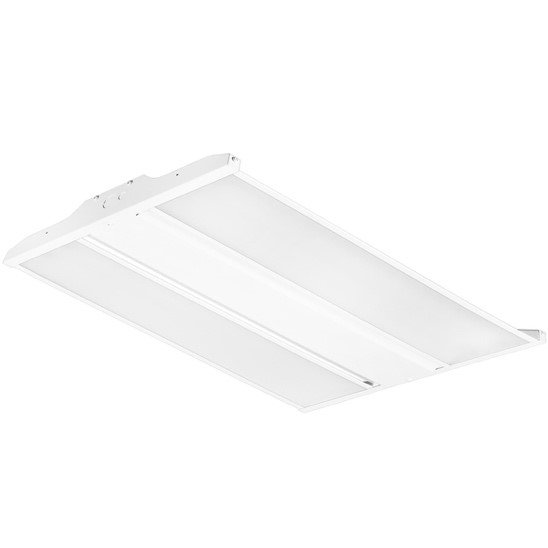
LED Troffers
LED troffers remain one of the most common office lighting solutions, especially in buildings with suspended grid ceilings.
They are widely used in:
Open office layouts
Corporate workspaces
Administrative buildings
Healthcare offices
Educational facilities
Most troffers are available in 2x2, 1X4, or 2x4 configurations depending on ceiling grid size and layout requirements.
Compared to older fluorescent systems, LED troffers reduce maintenance requirements significantly while also lowering energy consumption. Many businesses upgrading from fluorescent T8 or T12 fixtures choose LED troffers because they provide a relatively straightforward path toward modern office lighting without redesigning the ceiling layout entirely.
For office environments, businesses commonly prioritize troffers with:
High efficacy ratings
Low glare output
80+ CRI
Neutral white color temperatures
Dimming compatibility

LED Panels
LED panels provide a cleaner, more modern appearance than traditional recessed troffers.
Instead of using older-style parabolic louvers or fluorescent tubes, LED panels distribute light more evenly across the diffuser surface. This creates softer illumination with fewer harsh bright spots throughout the office.
Panels are especially common in:
Modern office renovations
Conference rooms
Medical offices
Reception areas
Design-focused commercial spaces
There are two main panel styles:
Edge-lit panels, which are thinner and often chosen for aesthetics
Back-lit panels, which typically provide more uniform output and stronger long-term performance
Many businesses prefer LED panels because they help reduce the “cave effect” commonly associated with older fluorescent office lighting.
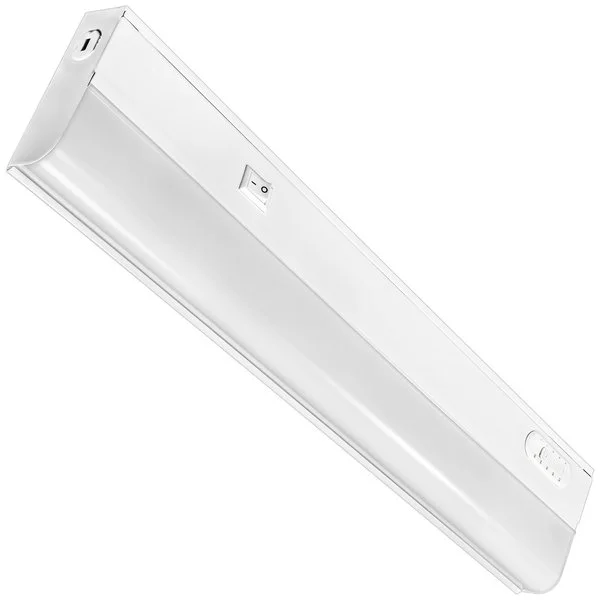
Task Lighting
Even strong overhead lighting is not always enough for detailed desk work.
Task lighting helps employees adjust their immediate workspace lighting without affecting the entire office environment. This becomes especially useful in offices where employees perform visually demanding work for long periods.
Common office task lighting includes:
LED desk lamps
Adjustable workstation lights
Giving employees some control over their own workspace lighting often improves overall comfort and satisfaction throughout the day.
Adjustable color temperature options are also becoming more common in modern task lighting systems.
Smart Controls And Dimming Systems
Lighting controls are often overlooked during office upgrades even though they can produce some of the largest long-term energy savings.
Modern office lighting controls may include:
Occupancy sensors
Programmable dimmers
Daylight harvesting systems
Scheduling controls
0–10V dimming systems
Occupancy sensors help prevent lights from operating unnecessarily in empty conference rooms, private offices, and low-traffic areas. Daylight harvesting systems automatically reduce artificial lighting when natural daylight is sufficient near windows and perimeter offices.
Dimming compatibility is also important.
Not all dimmers work properly with all LED fixtures. Incompatible controls can create flickering, buzzing, or shortened driver lifespan. Matching the dimming system correctly to the fixture and driver specifications is essential during office retrofits.
1000Bulbs carries LED troffers, LED panels, task lighting products, dimmers, and compatible smart lighting controls for office environments. Their lighting team can also help businesses match controls and fixtures correctly during upgrade planning.
How Poor Lighting Impacts Productivity
Poor office lighting affects more than aesthetics.
Employees working under dim, uneven, or visually uncomfortable lighting often experience fatigue, headaches, eye strain, and reduced concentration throughout the workday. Over time, those issues can affect productivity, comfort, and employee satisfaction inside the workplace.
Research from organizations such as the Illuminating Engineering Society and workplace design groups consistently links lighting quality to task performance and visual comfort.
Common office lighting problems include:
Glare on computer screens
Uneven brightness levels
Flickering fluorescent fixtures
Harsh overhead lighting
Insufficient task lighting
Poor color rendering
These issues may seem minor individually, but together they create work environments that feel tiring and uncomfortable over long periods.
LED upgrades often improve office environments because modern fixtures provide:
More stable light output
Better color consistency
Reduced flicker
More uniform illumination
Improved dimming flexibility
Natural daylight also plays an important role.
Offices that combine daylight with balanced overhead lighting and workstation task lighting generally create more comfortable work environments than spaces relying entirely on harsh overhead fluorescent systems.
From an operational standpoint, lighting upgrades can also reduce energy consumption significantly compared to older fluorescent office systems while lowering long-term maintenance requirements at the same time.
LED Upgrades For Office Spaces
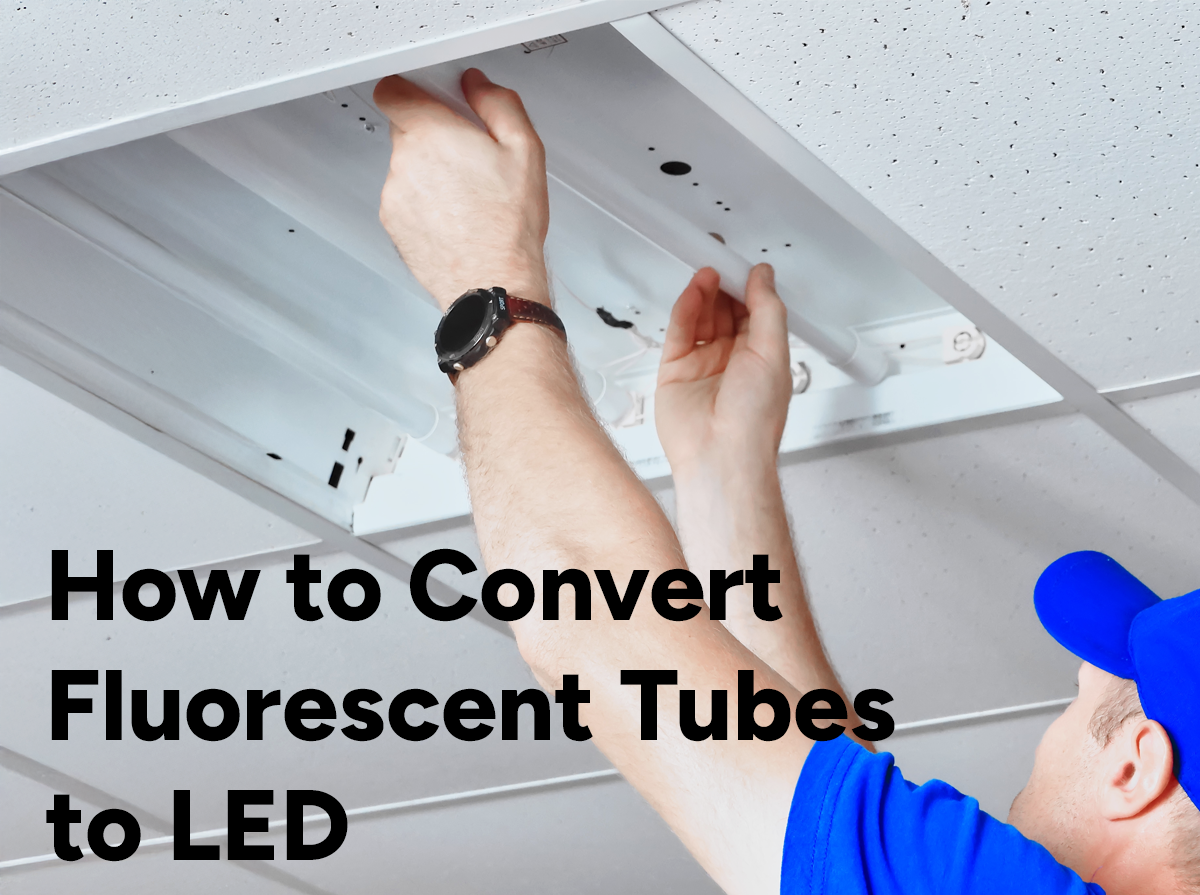
Many office buildings still rely on older fluorescent fixtures, especially T8 troffers installed years ago. In most cases, businesses upgrading to LED have two primary retrofit paths: replacing the tubes while keeping the fixture, or replacing the fixture entirely.
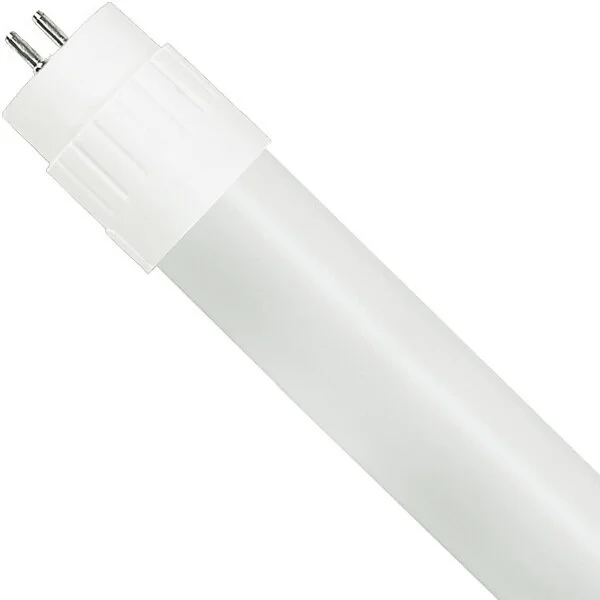
Plug-And-Play LED Tubes
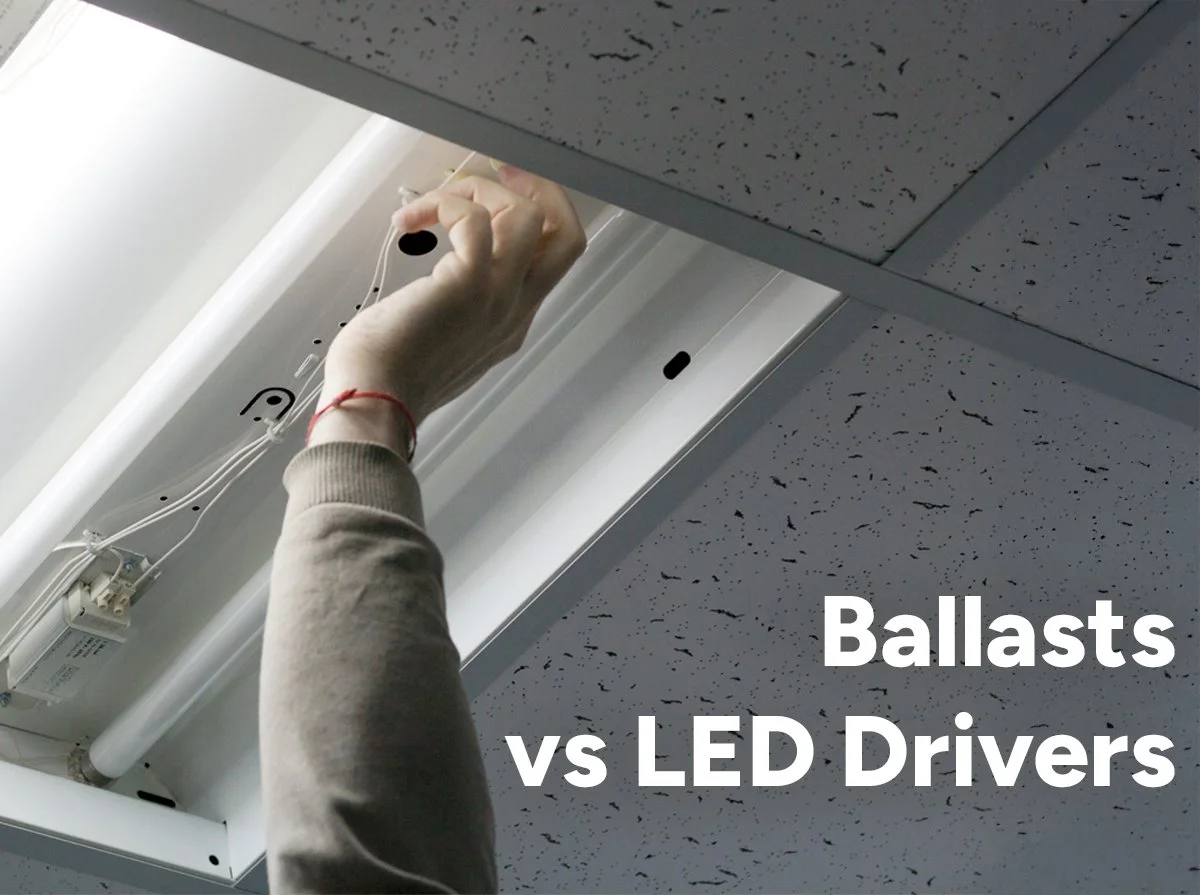
Plug-and-play LED tubes are designed to work with compatible existing fluorescent ballasts. Before purchasing, verify that your ballast appears on the manufacturer's ballast compatibility sheet to help ensure proper performance and avoid installation issues.
This approach is popular because installation is relatively fast and often requires minimal disruption to the office environment. Businesses can upgrade lighting appearance and reduce energy use without fully rewiring the fixture.
The tradeoff is that the ballast remains part of the system.
As ballasts age, they eventually fail and require maintenance or replacement. That means some long-term maintenance costs remain even after switching to LED tubes.
Direct-Wire LED Retrofits
Direct-wire, or ballast bypass, LED tubes remove the ballast from the circuit entirely.
The LED tube connects directly to line voltage after the fixture is rewired according to the manufacturer’s specifications. While this approach usually requires more upfront labor, it eliminates future ballast maintenance and can improve long-term system reliability.
For larger office retrofits, many facility managers view direct-wire systems as the more practical long-term investment because there are fewer components left to fail over time.
Hybrid (Type A/B) LED Tubes
Hybrid, or Type A/B, LED tubes are designed to operate as plug-and-play replacements with compatible fluorescent ballasts or as direct-wire lamps after the ballast has been bypassed. This flexibility allows facilities to install the tubes using the existing ballast initially and convert to a ballast bypass configuration later if the ballast fails or is removed during future maintenance.
Before purchasing hybrid LED tubes, verify ballast compatibility using the manufacturer's ballast compatibility sheet if you plan to operate them with an existing ballast. If converting to a direct-wire installation, always follow the manufacturer's wiring instructions and ensure the fixture is rewired correctly for safe operation.
Full Fixture Replacement
Some offices choose to replace entire fixtures instead of retrofitting existing fluorescent housings.
This is especially common when:
Existing fixtures are aging or damaged
Ceiling layouts are being renovated
Businesses want a more modern appearance
Better dimming or controls integration is needed
Lighting uniformity is poor
LED troffers and LED panels are usually the most common full-replacement options for office spaces.
Ballast Age Matters
One important consideration during retrofit planning is ballast condition.
If fluorescent ballasts are already approaching the later stages of their lifespan, keeping them in service through a plug-and-play retrofit may only delay future maintenance issues rather than eliminate them.
For many facility managers, ballast age becomes part of the overall total cost of ownership calculation when deciding between retrofit strategies.
Smart Office Lighting Systems Explained
Smart office lighting systems are becoming increasingly common because they improve both energy efficiency and workspace flexibility without requiring complicated user interaction.
Most smart office lighting systems focus on three core functions:
Occupancy sensing
Daylight harvesting
Scheduling automation
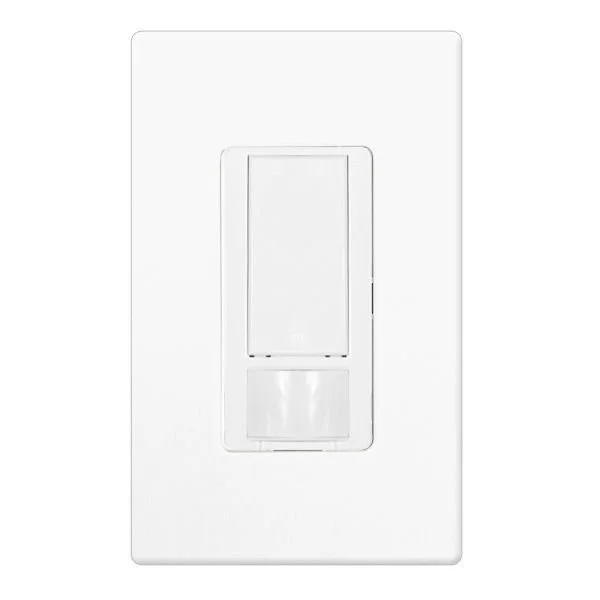
Lutron Maestro PIR wall switch
Occupancy Sensors
Occupancy sensors automatically turn lights off or reduce output when spaces are unoccupied.
This is especially useful in:
Private offices
Conference rooms
Break rooms
Storage areas
Restrooms
In many offices, a significant portion of workstations and meeting spaces sit unused throughout the day. Occupancy controls help prevent lights from operating unnecessarily in those areas.
Daylight Harvesting
Daylight harvesting systems use sensors to measure available natural light and automatically reduce artificial lighting when daylight is sufficient.
Offices with large windows or perimeter workspaces benefit the most from this approach because lighting systems can adapt throughout the day instead of remaining at full brightness constantly.
The result is usually:
Lower energy consumption
More balanced visual comfort
Reduced over-lighting near windows
Scheduling Controls
Scheduling systems allow facility managers to automate office lighting behavior based on time of day.
For example, lighting may automatically:
Reduce output after business hours
Operate at lower levels on weekends
Increase brightness during occupied periods
Coordinate with building management systems
Combined with LED fixtures, these controls can reduce lighting-related energy use substantially compared to older uncontrolled fluorescent systems.
1000Bulbs carries occupancy sensors, dimmers, photocells, and smart lighting controls designed for office lighting applications. Their lighting specialists can also help businesses match controls with compatible fixtures during retrofit planning.
Common Compliance Mistakes
Many office lighting problems come from relatively simple planning mistakes rather than major code violations.
Under-Lighting Task Areas
Some offices rely entirely on general ambient lighting even in spaces where employees perform visually demanding work.
Detailed reading, drafting, paperwork, and computer-heavy workstations often need stronger localized illumination than hallways or casual collaboration areas.
Task lighting is often the simplest solution without over-lighting the entire office floor.
Ignoring Emergency And Exit Lighting
Emergency and exit lighting systems are separate from general office lighting requirements.
Businesses still need properly illuminated exit signs and emergency egress lighting that meet applicable life-safety requirements. These systems should be evaluated independently during office lighting upgrades.
Mixing Incompatible Dimmers And LEDs
Using incompatible dimmers with LED fixtures is one of the most common causes of:
Flickering
Buzzing
Poor dimming performance
Premature driver wear
LED fixtures should always be paired with compatible controls and drivers specified by the manufacturer.
Neglecting Long-Term Maintenance
LEDs last much longer than fluorescent systems, but they still experience lumen depreciation over time.
A fixture operating for years may gradually produce less usable light than it did originally. Periodic light level evaluations help ensure office spaces continue meeting intended illumination targets long-term.
Skipping Post-Installation Light Checks
Lighting calculations are important during planning, but real-world results can vary depending on:
Ceiling height
Surface reflectivity
Furniture layouts
Fixture spacing
Window placement
Many businesses verify actual footcandle levels after installation using a light meter to confirm the space performs as expected.
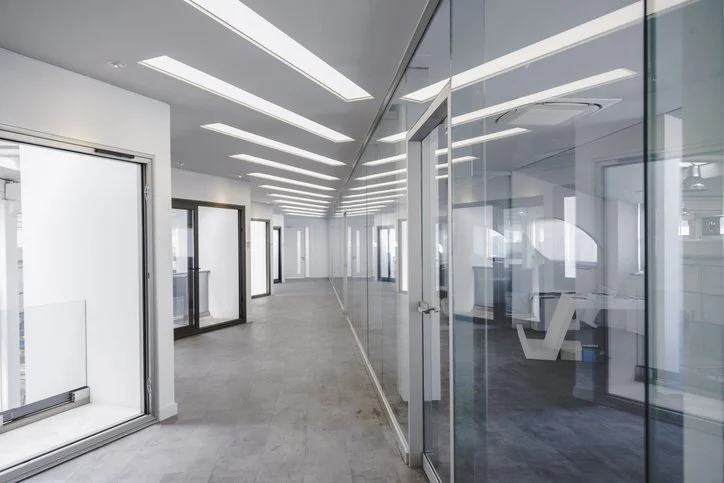
Better Lighting Creates Better Workplaces
Meeting office lighting standards is not simply about compliance. The right lighting layout helps create office environments that feel more comfortable, productive, and easier to work in throughout the day.
Modern LED office lighting systems improve energy efficiency while also reducing glare, maintenance demands, and uneven illumination common in older fluorescent spaces.
Whether your business is upgrading fluorescent troffers, planning a full office retrofit, or adding smart lighting controls for the first time, 1000Bulbs carries LED troffers, panels, task lighting, dimmers, emergency fixtures, and office lighting solutions designed for commercial spaces.
Call 1-800-624-4488 to speak with a US-based lighting professional or browse commercial office lighting solutions at 1000Bulbs.com.
FAQs
What Are Office Lighting Standards?
Office lighting standards are guidelines and requirements that help businesses maintain safe, comfortable, and effective workplace lighting. They address factors such as brightness levels, glare reduction, fixture placement, emergency lighting, and visual comfort.
How Bright Should Offices Be?
Most offices operate within a moderate footcandle range designed for computer work, reading, and general visibility. Detailed task areas may require additional task lighting or higher localized illumination levels.
What Color Temperature Is Best For Offices?
Neutral white color temperatures in the 4000K to 5000K range are commonly used in office environments because they support visibility and focus without appearing overly harsh.
Are LEDs Better For Office Spaces?
LEDs are generally preferred for modern office lighting because they provide better energy efficiency, lower maintenance requirements, improved dimming capability, and more stable light output than older fluorescent systems.
How Can Offices Reduce Lighting Costs?
Businesses commonly reduce lighting costs by upgrading to LED fixtures, adding occupancy sensors, using daylight harvesting controls, and replacing aging fluorescent systems with more efficient office lighting layouts.