
Halogen Bulb Ban: What to Use Instead
| What This Article Covers |
|---|
The halogen bulb phase-out has left homeowners, facility managers, and commercial buyers confused about what’s still legal to purchase, what specialty formats remain available, and whether existing fixtures can accept LED replacements without additional upgrades. This guide explains why the DOE’s general service lamp efficiency standard ended production of most halogen A-type lamps, which specialty halogen formats (MR16, PAR, GU10, automotive) are still available, and how to choose the right LED replacement by form factor. It also covers transformer compatibility for low-voltage MR16 systems, dimmer compatibility for retrofit projects, and a practical energy savings breakdown for commercial facilities converting from halogen track lighting. Best for: homeowners replacing track or accent lighting, facility managers planning a commercial LED retrofit, contractors specifying halogen replacements, and retail or hospitality operators evaluating high-CRI LED alternatives. |

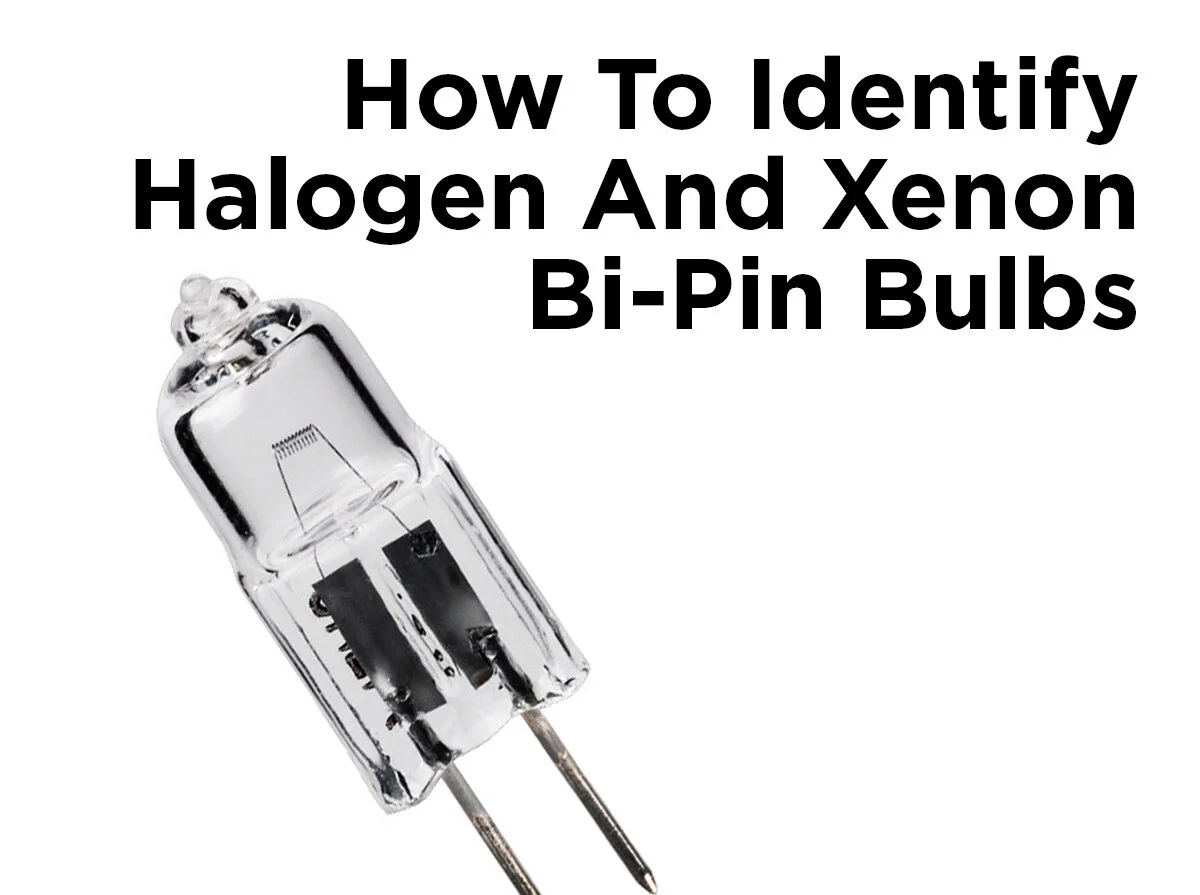
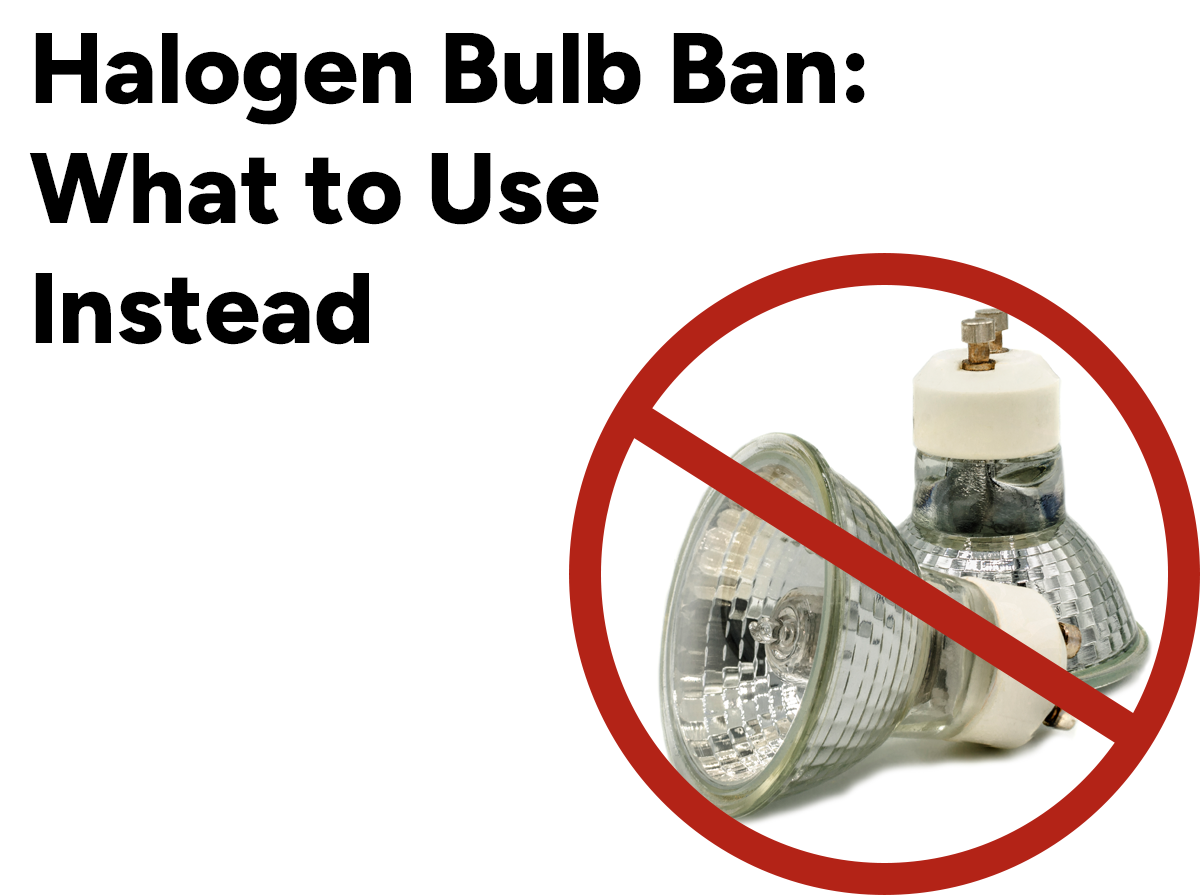
Common halogen MR16 bulb used in track and landscape lighting.
The halogen bulb ban has created a lot of confusion for homeowners, business owners, and facility managers trying to understand what lighting products are still available and what actually needs to be replaced.
Some people assume all halogen bulbs disappeared overnight. Others are unsure whether their existing fixtures will still work or whether they need to replace entire lighting systems to stay compliant.
The reality is more specific than that.
Recent DOE efficiency regulations primarily affected certain general service halogen lamps that could not meet newer energy-efficiency requirements. Many specialty halogen formats remained available longer under separate categories, while LED replacements have expanded rapidly across nearly every common halogen application.
For most people, the bigger question is no longer whether halogen is being phased out. It is which LED replacement makes the most sense for their fixtures, dimmers, beam angles, and lighting quality expectations.
This guide explains what changed, which halogen products were affected, and how to transition to LED replacements without losing the look or performance your lighting system was designed around.
Why Halogen Bulbs Are Being Phased Out
Halogen lighting has long been valued for strong color rendering, smooth dimming, and directional beam control. For years, it remained popular in track lighting, recessed fixtures, retail spaces, hospitality environments, and landscape systems even after LEDs became widely available.
The problem was efficiency.
Halogen lamps generate a large amount of heat during operation and consume substantially more energy than modern LED equivalents that produce a similar usable light output. As energy-efficiency standards tightened, many general service halogen lamps could no longer meet updated performance requirements.
Recent DOE regulations focused on raising minimum efficiency standards for general service lighting products. Rather than redesigning older halogen technologies to meet those thresholds, much of the lighting industry transitioned toward LED alternatives that already exceeded them comfortably.
The changes primarily affected standard household-style halogen lamps used in general illumination applications.
That distinction matters because not every halogen product category was treated the same way. Specialty formats such as MR16, GU10, PAR, and certain commercial or industrial lamps followed different timelines and exemptions depending on their application.
For most consumers and businesses, the visible result has simply been reduced availability of traditional halogen products alongside a much larger push toward LED replacements.
Are Halogen Bulbs Illegal?
This is one of the most common misconceptions surrounding the halogen transition.
Halogen bulbs themselves are not universally illegal. What changed is that certain non-compliant halogen lamp categories could no longer continue being manufactured, imported, or sold once updated efficiency regulations took effect.
Today, only halogen products that meet current regulatory requirements can still be sold legally in the United States.

Learn more about current lighting regulations in this blog post.
What Changed for General Service Halogens
The biggest impact was on standard A-type halogen lamps commonly used for household lighting.
Many of these products could not meet updated energy-efficiency requirements, which led manufacturers to phase them out in favor of LED alternatives. As older inventory disappeared from distribution channels, LED replacements became the default option for most general service lighting applications.
That does not mean existing halogen fixtures suddenly became unusable.
In most cases, the fixture itself can remain in place while the lamp is replaced with a compatible LED alternative.
Some Specialty Halogen Formats Remained Available Longer
Not all halogen categories were affected in the same way.
Specialty halogen applications, such as MR16 lamps, GU10 track lighting bulbs, PAR reflector lamps, and certain linear or industrial halogen formats, followed different product categories and timelines depending on their intended use.
For halogen-specific specialty exemptions, categories historically treated differently from general service household lamps included:
Rough service halogen lamps
Vibration-resistant halogen lamps
Shatter-resistant halogen lamps
Certain industrial and specialty-use halogen products
However, availability still depends on current DOE compliance requirements for that specific lamp category. Regulations and exemption classifications can evolve over time, so compatibility and sourcing should always be verified before specifying specialty halogen products for ongoing commercial use.
Existing Fixtures Usually Do Not Need Replacement
One of the most important points for homeowners and facility managers is that the regulation targeted lamps, not fixtures.
Most existing halogen fixtures can continue operating with compatible LED replacement lamps that match the original base type, beam angle, and voltage requirements.
That is why LED retrofits have become the most common transition path rather than full fixture replacement in many residential and commercial applications.
Best LED Replacements for Halogen Bulbs
Modern LED replacements now cover nearly every major halogen form factor while using substantially less energy and generating far less heat.
The key is choosing the correct replacement based on voltage, beam spread, fixture compatibility, and dimming requirements.

MR16 Replacements
LED MR16 bulbs are commonly used in recessed lighting, landscape systems, display lighting, and track fixtures. They provide similar directional lighting performance to halogen MR16 lamps while operating at much lower wattages, making them a popular choice for energy-efficient retrofits. Beam angle selection remains important, particularly in accent and track lighting applications where the original lighting layout was carefully designed.
When selecting a replacement, pay close attention to the bulb's base type. MR16 lamps are commonly available with either a GU5.3 bi-pin base for low-voltage systems or a GU10 twist-and-lock base for line-voltage applications. GU10-based MR16 lamps operate directly on line voltage and do not require a separate transformer, while GU5.3 MR16 systems typically rely on a low-voltage transformer.
For low-voltage installations, transformer compatibility is one of the most important considerations. Many existing MR16 systems use transformers originally designed for higher-wattage halogen lamps, and some magnetic transformers may not perform properly with low-wattage LED replacements, potentially causing flickering, buzzing, or inconsistent operation. Regardless of the base type, verify fixture dimensions and dimmer compatibility before ordering replacement lamps, as some LED MR16 bulbs are slightly larger than their halogen counterparts.
PAR Bulb Replacements
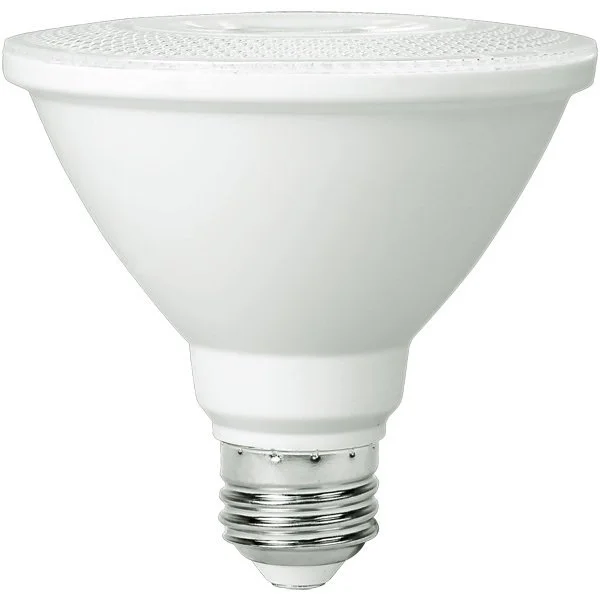
LED PAR lamps are widely used as replacements for halogen PAR20, PAR30, and PAR38 bulbs in both residential and commercial settings.
These are common in:
Track lighting
Recessed directional fixtures
Retail lighting
Hospitality environments
Outdoor flood applications
Modern LED PAR lamps now offer beam control and color quality that closely resemble halogen performance while dramatically reducing energy consumption and heat output.
For retail, gallery, and hospitality environments where color rendering matters, high-CRI LED PAR lamps are widely available and can closely match the visual warmth traditionally associated with halogen lighting.
Automotive and Vehicle Lighting
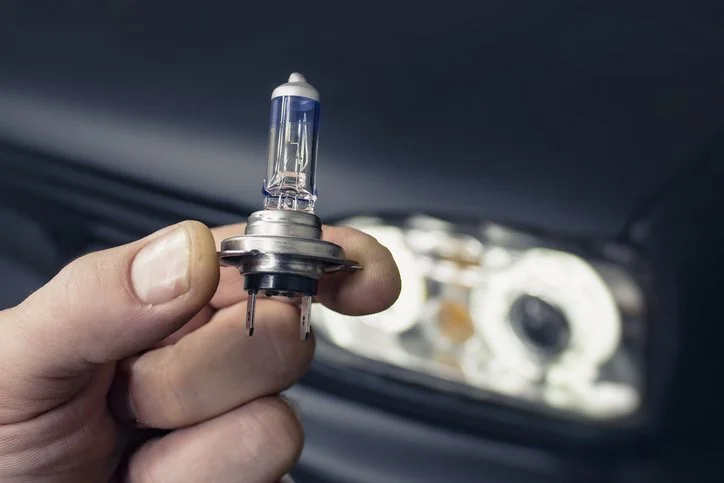
Automotive halogen headlights, fog lights, and specialty vehicle lighting are not covered by the DOE general service lamp efficiency standard. The regulation applies to lamps used for general indoor and outdoor building illumination. Halogen headlight formats (H1, H4, H7, H11, and related types), sealed beams, and other automotive lamp formats remain in full production and are legal to purchase, sell, and install.
This is one of the most common misconceptions about the halogen ban. Customers who rely on auto parts stores as a lighting reference sometimes believe automotive-grade halogen is also being eliminated. This section clarifies that distinction to prevent unnecessary alarm and keep readers focused on the actual compliance requirements for building lighting.
LED vs Halogen Performance Comparison
One reason halogen lighting remained popular for so long was the quality of the light itself.
Halogen lamps produce excellent color rendering, smooth dimming behavior, and warm light that works especially well in retail, hospitality, gallery, and residential accent lighting environments.
For years, many early LED products struggled to match that performance consistently.
That gap has narrowed significantly.
Light Quality
Modern high-CRI LED lamps now offer color rendering that closely approaches traditional halogen lighting in many applications.
This is especially important in environments where color accuracy matters, such as:
Retail displays
Restaurants
Hospitality spaces
Residential accent lighting
Art and gallery applications
Warm white LED products are also designed to replicate the familiar appearance of halogen lighting more closely than early-generation LEDs.
For general commercial and residential applications, many users now find the visual difference between quality LED and halogen lighting minimal.
Dimming Behavior
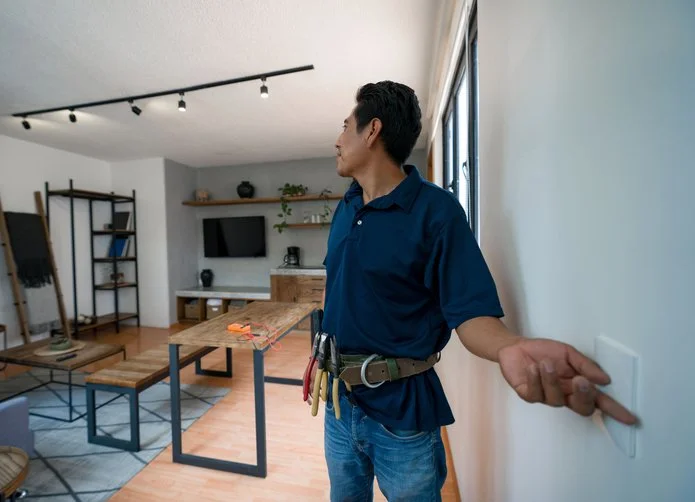
Halogen lamps dim naturally on standard dimmers because the filament simply receives less power as the dimmer lowers voltage.
LED dimming works differently.
The bulb itself must contain a dimmable driver, and the wall dimmer must also be compatible with LED electrical characteristics. Older halogen dimmers can sometimes cause:
Flickering
Buzzing
Limited dimming range
Inconsistent performance
In retrofit projects where dimming is important, verifying dimmer compatibility ahead of time helps avoid most problems.
Heat Output
Halogen lamps operate extremely hot compared to LEDs.
A large percentage of the energy consumed by halogen lighting becomes heat rather than visible light. That heat affects not only energy efficiency, but also fixture temperatures and cooling demand inside climate-controlled spaces.
LEDs operate substantially cooler, which helps reduce:
Fixture heat buildup
HVAC strain
Thermal stress on surrounding components
This becomes especially noticeable in retail stores, restaurants, offices, and enclosed fixture applications where large numbers of halogen lamps may run for extended hours every day.
Lifespan
LED lamps generally last far longer than halogen products under normal operating conditions.
Halogen bulbs eventually fail as the tungsten filament degrades through repeated heating cycles. LED systems avoid that type of failure mechanism and are instead limited more by long-term driver and component lifespan.
For commercial environments, the maintenance reduction alone often becomes one of the biggest advantages of transitioning away from halogen lighting.
How Much Energy Can You Save?
Energy savings are one of the primary reasons halogen lighting has steadily been replaced across both residential and commercial environments.
Common LED replacements include 6–8W MR16 LEDs that provide directional lighting comparable to traditional halogen MR16 lamps while using significantly less energy. When selecting a replacement, always verify the beam angle, base type, and voltage requirements to ensure compatibility with the existing fixture.
Across a single home, those reductions may lower overall lighting energy consumption noticeably over time.
In commercial environments, the effect scales much more aggressively because of:
Larger fixture counts
Longer operating hours
High-output directional lighting systems
Accent lighting installations
Retail stores, hospitality environments, galleries, and restaurants that historically relied heavily on halogen track lighting often see substantial reductions in lighting-related energy use after converting to LED systems.
Lower Heat Also Reduces Cooling Demand
The savings are not limited to lighting power alone.
Halogen systems generate significant heat during operation, especially in enclosed or high-density lighting environments. In climate-controlled buildings, HVAC systems must remove that excess heat continuously.
Lower-heat LED systems reduce that additional cooling burden, particularly during warmer months or in facilities with extensive accent lighting installations.
For businesses operating large lighting systems daily, reducing both lighting load and cooling demand can improve overall operating efficiency significantly over time.
Common Compatibility Questions
One reason some people hesitate to replace halogen lamps is concern about compatibility with existing fixtures and controls.
Most LED retrofits are relatively straightforward, but there are a few areas that deserve attention before large replacement projects begin.
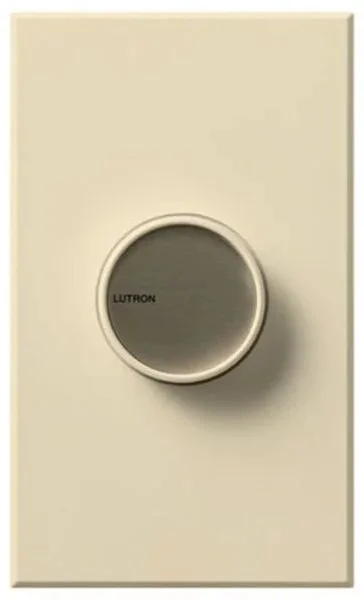
Will LEDs Work with My Halogen Dimmer?
Sometimes yes, sometimes no.
Older dimmers designed around incandescent and halogen loads may not always perform correctly with LEDs because LEDs draw much lower wattage and use different driver electronics.
Symptoms of incompatibility may include:
Flickering
Buzzing
Reduced dimming range
Delayed startup
In many cases, replacing the dimmer with an LED-compatible model resolves the issue quickly.
Do MR16 Systems Require Transformer Replacement?
Some low-voltage MR16 systems may require transformer upgrades depending on the existing equipment.
Older magnetic transformers often expect a higher electrical load than modern LED MR16 lamps provide. If the new LED load falls below the transformer’s minimum operating threshold, the system may behave unpredictably.
Electronic transformers are often more compatible with LED retrofits, but compatibility should still be confirmed before large installations are converted.
Will LED Bulbs Fit My Existing Fixtures?
Usually yes, but fixture depth and housing dimensions still matter.
Some LED replacements are physically larger than the halogen products they replace due to heatsinks or driver design. Tight recessed fixtures and compact track heads may require extra attention during product selection.
Checking physical dimensions before ordering large retrofit quantities helps avoid installation issues later.
Are Beam Angles the Same?
Modern LED MR16 and PAR lamps are available in beam spreads designed to closely match halogen lighting layouts.
Common options include:
Narrow spot
Flood
Wide flood
Matching the original beam angle helps preserve the intended lighting effect in track lighting, display lighting, and accent applications. Some newer LED replacement bulbs also offer selectable beam angles, providing additional flexibility when adjusting light distribution for different spaces or changing lighting needs.
What Businesses Need to Know About the Transition
For commercial facilities still operating large halogen inventories, the transition to LED is usually easier when approached systematically instead of replacing lamps reactively one at a time.
The first step is understanding exactly what is currently installed.
Start with an Inventory Audit
Many buildings use a mix of halogen formats across different applications.
Common examples include:
MR16 and GU10 accent track lighting
PAR20, PAR30, and PAR38 reflector lamps
Specialty directional lighting systems
Each category may require different LED replacements based on voltage, beam angle, dimming behavior, and fixture compatibility.
Documenting the existing lamp types before ordering replacements helps avoid mismatched products and installation delays later.
Decide When Bulb Replacement is Enough
In many cases, existing halogen fixtures can continue operating successfully with LED replacement lamps.
However, older fixtures may already have degraded sockets, reflectors, housings, or thermal conditions that limit long-term performance. In those situations, replacing the entire fixture may provide better reliability and lighting quality than retrofitting aging hardware repeatedly.
Integrated LED fixtures are often considered when:
Fixtures are more than several years old
Reflectors have degraded
Thermal performance is poor
Dimming systems are outdated
Frequent maintenance problems already exist
Utility Rebates May Help Offset Costs
Many commercial LED retrofit products qualify for utility rebate programs, particularly DLC-listed products used in larger lighting upgrades.
Rebate eligibility varies by region and utility provider, but it can significantly reduce transition costs for businesses replacing large halogen installations.
Before finalizing specifications for large projects, facilities often review:
DLC qualification
Utility rebate requirements
Dimming compatibility
Fixture lifespan expectations
Maintenance savings projections
Final Thoughts: Why the Industry is Moving Beyond Halogen
The lighting industry did not move away from halogen simply because of regulation.
LED technology eventually reached the point where it could deliver comparable beam control, strong color rendering, lower energy use, reduced maintenance, and longer lifespan across most major lighting applications.
That combination changed the economics of lighting for both residential and commercial environments.
Today, quality LED replacements exist for nearly every common halogen format, including MR16, PAR, and MR16 GU10 applications that historically depended heavily on halogen performance characteristics.
For most users, the transition no longer requires sacrificing lighting quality to gain efficiency.
The biggest challenge now is usually compatibility planning rather than performance itself. Once beam angle, voltage, dimming, and fixture conditions are matched correctly, modern LED replacements can provide a very smooth transition away from traditional halogen systems.
Shop LED Halogen Replacements or call 1-800-624-4488 for help identifying compatible replacements for your existing fixtures.
FAQs
Why are Halogen Bulbs Being Banned?
The halogen bulb ban primarily affected certain general service halogen lamps that could not meet updated DOE energy-efficiency standards. Many standard household-style halogen bulbs consumed significantly more energy than modern LED alternatives producing similar light output.
What Replaces Halogen Bulbs?
LED replacements now exist for most major halogen formats, including MR16, PAR, and MR16 GU10 lamps. The correct replacement depends on fixture type, voltage, beam angle, and dimming requirements.
Are LEDs Brighter Than Halogen?
LEDs can produce similar or greater usable light output while consuming far less energy. Brightness comparisons should be based on lumens rather than wattage alone.
Can I Use LED in a Halogen Fixture?
In many cases, yes. Most halogen fixtures can accept compatible LED replacement lamps as long as voltage, base type, physical size, and dimming compatibility are verified first.
Do Halogen Bulbs Still Exist?
Yes. Certain specialty halogen products remain available depending on the application and current regulatory category. However, many general service halogen lamps have been phased out in favor of LED alternatives.