
What Is a Wall Pack Light?
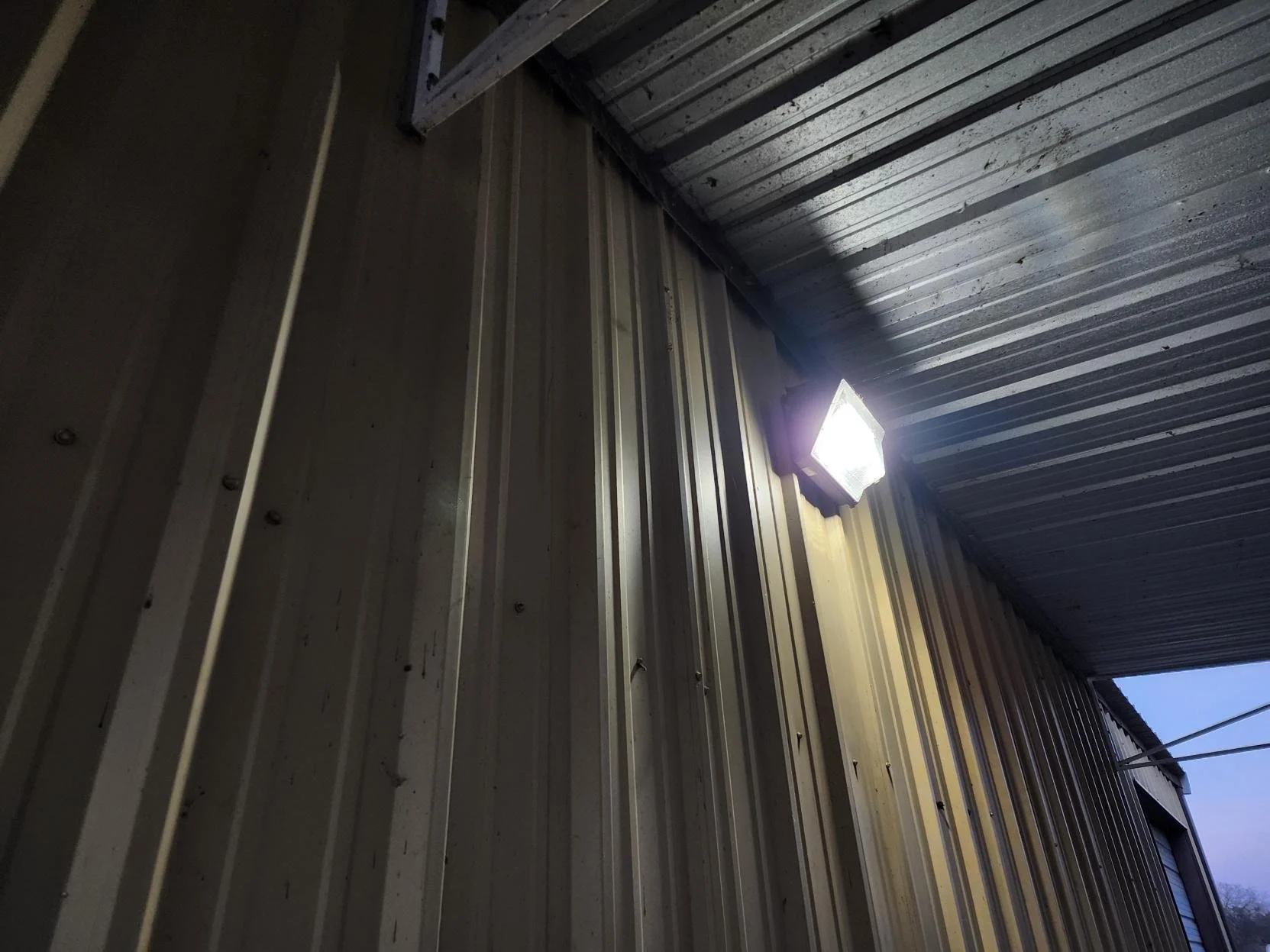
If you have ever walked past a warehouse, office building, or school at night and noticed a strong, even wash of light along the exterior, you were probably looking at a wall pack.
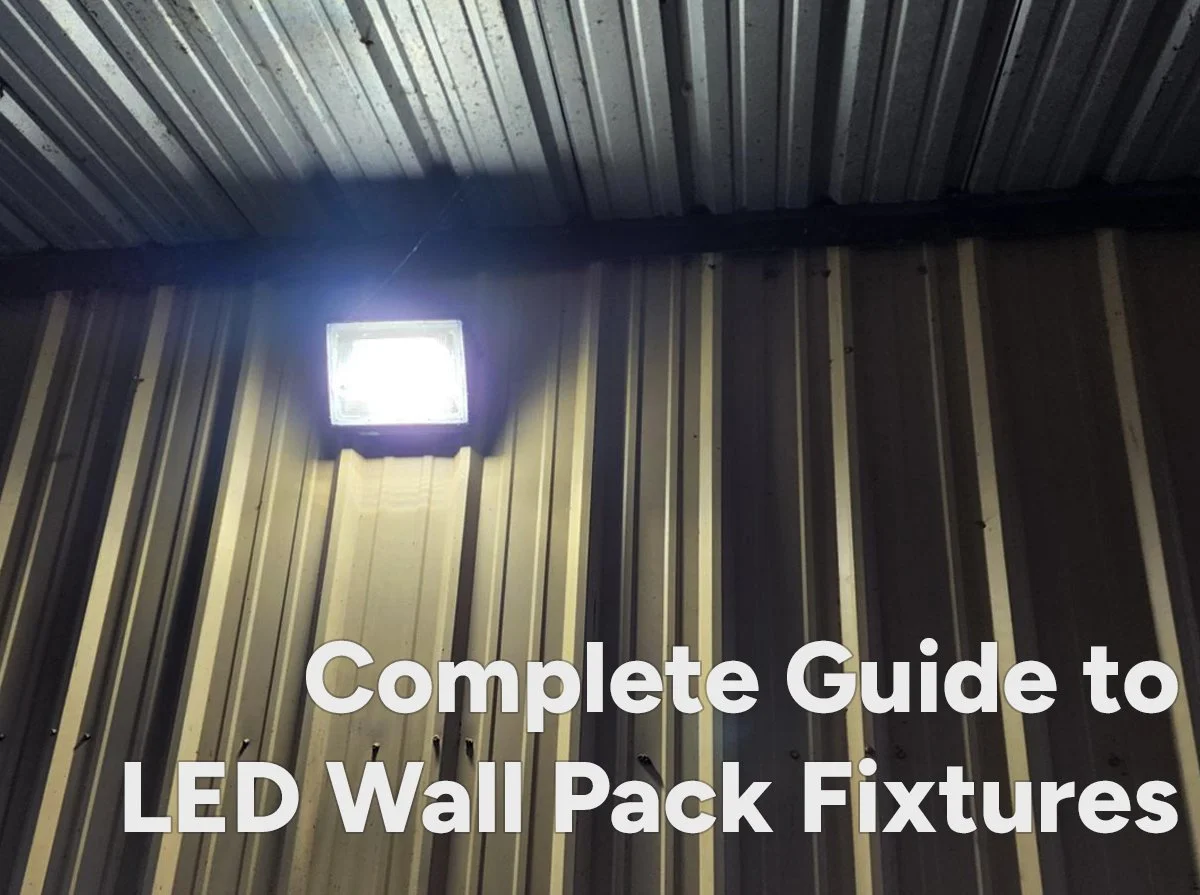
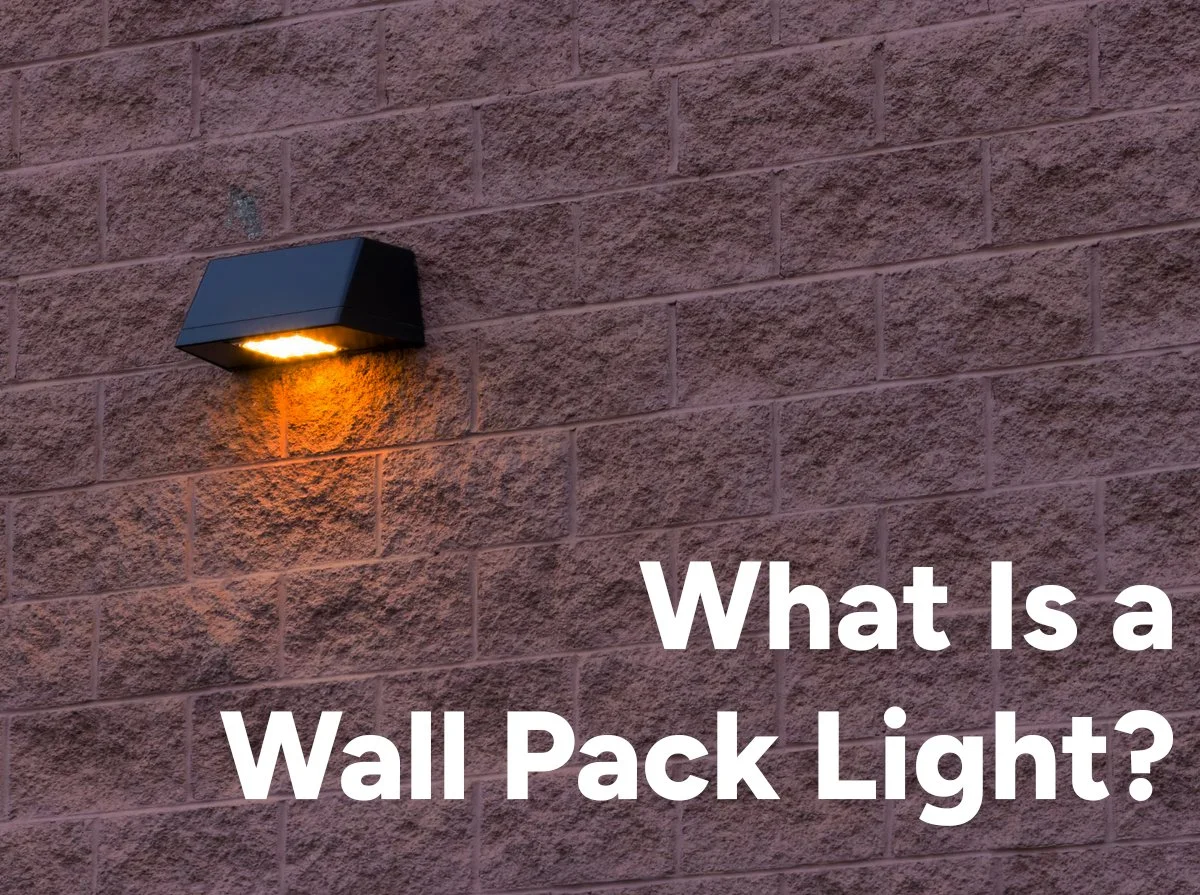
A wall pack light is an outdoor fixture mounted directly to the side of a building. Its job is simple but important. It lights up the surrounding area so people can see where they are going and feel safe doing it.
You will usually find wall packs on:
Commercial buildings
Warehouses and distribution centers
Schools and campuses
Retail storefronts
Parking structures
They are designed to push light outward and downward, covering walkways, entrances, loading zones, and building perimeters.
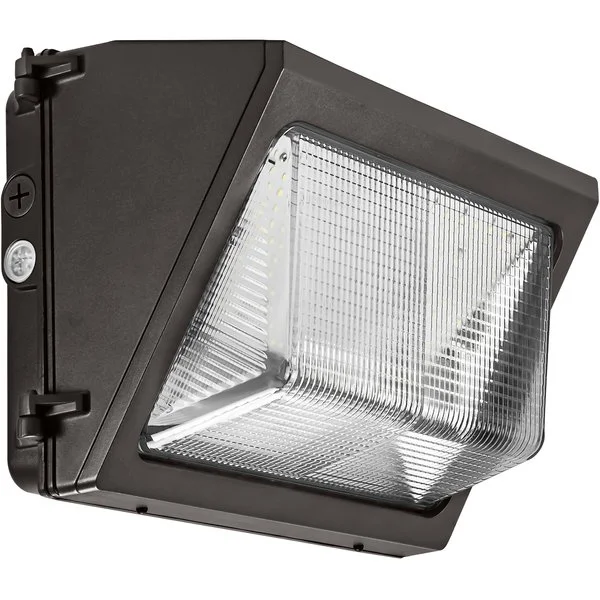
Most wall packs have a boxy, durable design built to handle outdoor conditions. Once installed, they quietly do their job every night, providing consistent light exactly where it is needed.
What Are Wall Pack Lights Used For?
Wall pack lights show up anywhere outdoor visibility matters.
They are especially useful when you need to cover a wide area without installing multiple poles or fixtures.
Some of the most common uses include:
Lighting parking lots and surrounding areas
Illuminating building entrances and exits
Adding visibility along walkways and sidewalks
Improving safety around warehouses and loading docks
Lighting school campuses and public facilities
Supporting storefront visibility after dark
Think about a warehouse running late-night operations. Wall packs help drivers see clearly when backing into loading docks. Or a retail store that wants customers to feel safe walking to their car after closing.
In most cases, wall packs are doing two jobs at once. They improve visibility and add a layer of security.
Types of Wall Pack Lights
Not all wall packs are built the same. The right choice depends on how you want light to behave around your building.
Traditional wall packs
Traditional wall packs spread light in a wide pattern. They are bright and effective, but they can also create glare and light spill beyond the area you actually want to illuminate.
You will still see these in older installations or places where light control is not a priority.
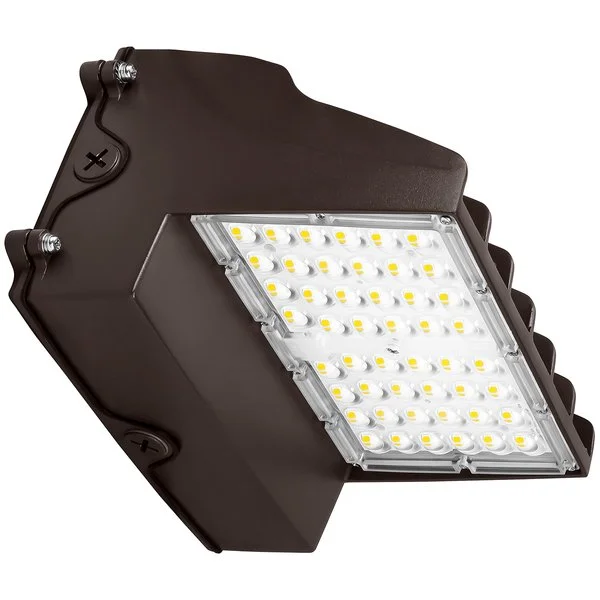
Full cutoff wall pack
Full Cutoff wall packs
Full cutoff wall packs are designed to direct light downward. This reduces glare and keeps light from spilling upward into the night sky.
They are often used in areas with stricter lighting regulations or where controlling light pollution matters.
Semi-cutoff wall packs
Semi-cutoff wall packs offer a balance between wide light distribution and controlled output. They allow some light to spread outward while still directing most of it toward the ground.
This makes them a flexible option for many commercial applications.
LED wall packs
LED wall packs are now the standard for most new installations.
They offer:
Improved energy efficiency
Longer lifespan
Better light quality and consistency
Because of this, many businesses are replacing older fixtures with LED versions to improve performance and reduce maintenance.
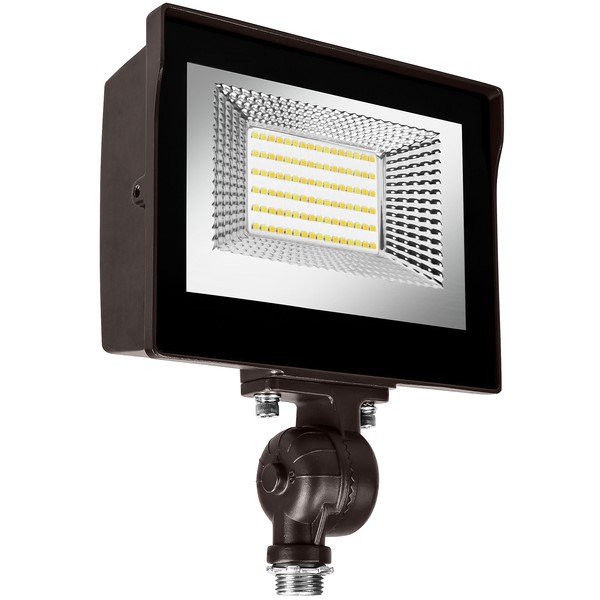
Flood light fixture
Wall Pack vs Flood Light
Wall packs and flood lights are often mentioned together, but they are not interchangeable.
Here is how they differ.
Wall packs are mounted directly to a building and provide broad, even coverage along the perimeter.
Flood lights are directional. They can be aimed at a specific area, such as a sign, a field, or a section of a building.
In many setups, you will see both working together. The wall pack handles general lighting, while flood lights focus on specific areas that need extra attention.
Benefits of LED Wall Pack Lighting
LED wall packs have quickly become the go-to option for outdoor lighting, and it is not hard to see why.
They bring a combination of performance and efficiency that older technologies struggle to match.
Some of the biggest benefits include:
Reduced energy consumption compared to traditional lighting
Long lifespan, often lasting tens of thousands of hours
Lower maintenance due to fewer replacements
Consistent light output with minimal flicker
Improved visibility for safety and security
For commercial properties, that often translates into fewer headaches and more predictable operating costs.
How to Choose the Right Wall Pack
Choosing the right wall pack is not just about picking a fixture that looks right. It is about making sure the light works for your space.
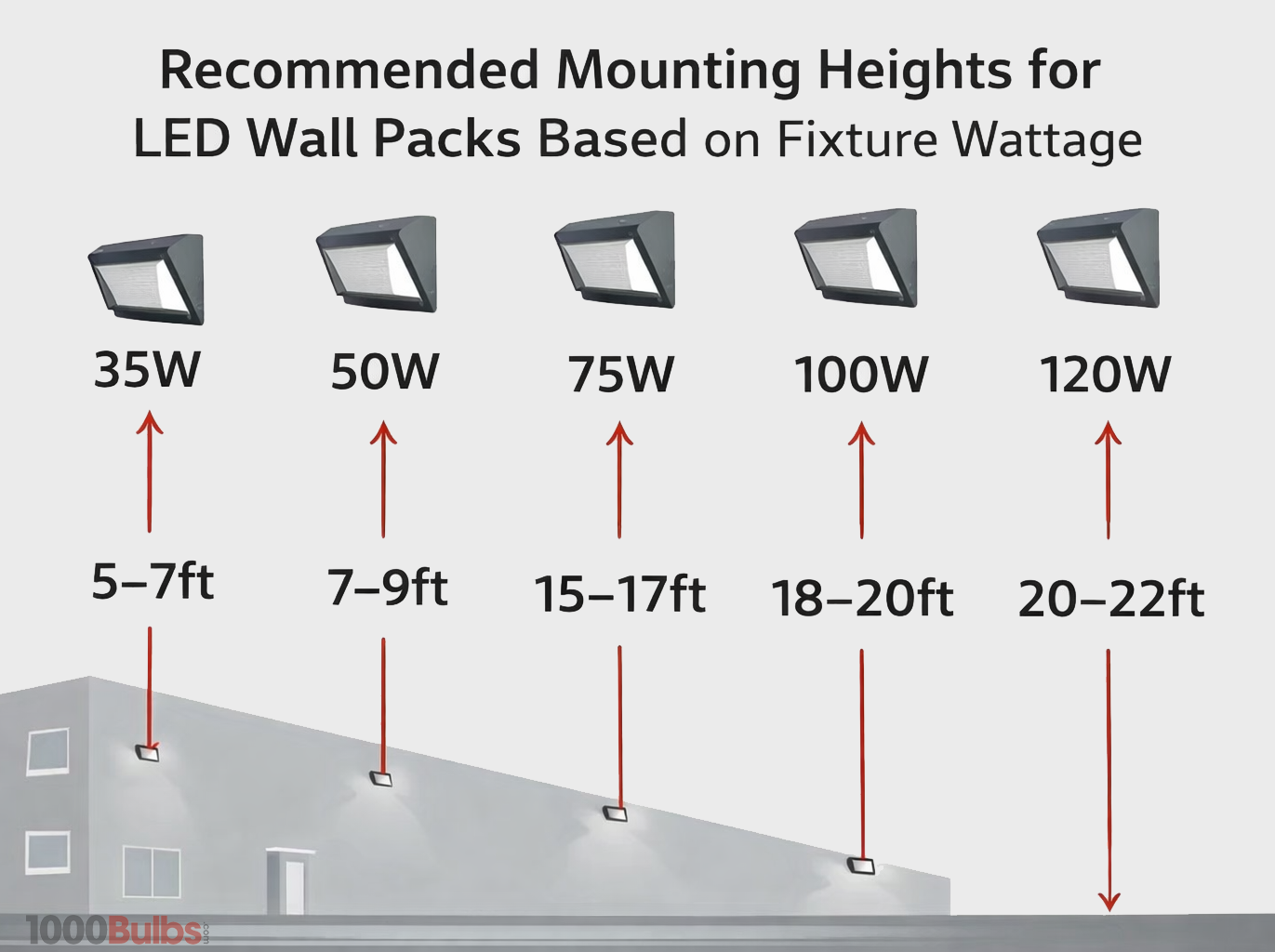
Start with the mounting height. The higher the fixture, the wider the coverage. Lower placements create more focused light.
Next, look at light output. Larger areas need more lumens, while smaller entry points or walkways need less.
Cutoff type matters too. If you are in an area with light pollution rules, a full cutoff fixture is often the better choice.
You will also want to consider durability. Outdoor fixtures need to handle weather, temperature changes, and long hours of operation.
Finally, think about how the space is used. A warehouse may need strong, wide coverage, while a retail storefront may want something that balances function with appearance.
Wall Pack Lighting Regulations and Light Pollution
Outdoor lighting is not just about brightness. In many areas, it is also about control.
Lighting regulations are often designed to reduce light pollution and limit how much excess light escapes into the surrounding environment.
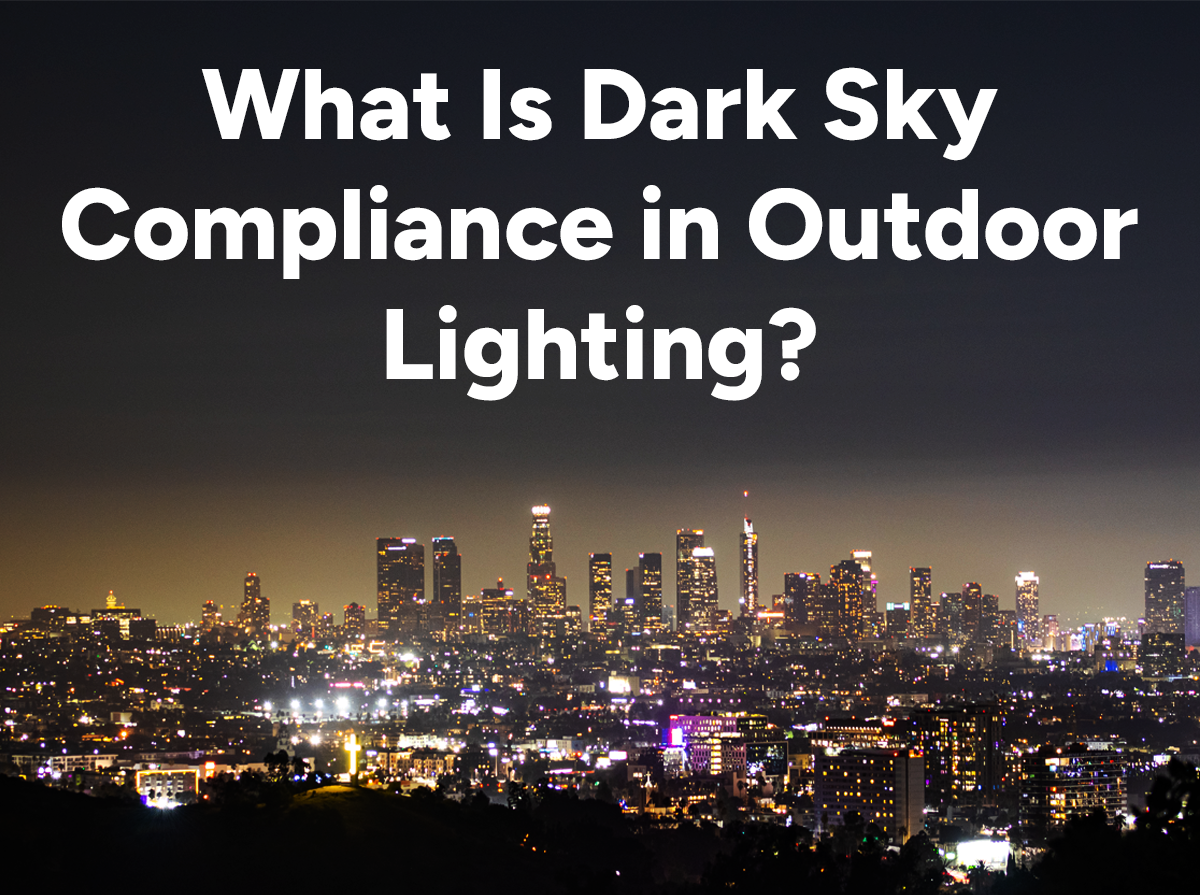
One of the most common standards is dark sky compliance. The goal is to keep light directed downward instead of spilling into the sky or neighboring properties.
Full cutoff wall packs are often used to meet these requirements because they focus light where it is needed.
When planning a lighting installation, it’s important to:
Check local codes and regulations
Choose fixtures that meet compliance standards
Consider how lighting affects surrounding properties
A little planning here can save you from having to make changes later.
Why Wall Packs Remain Essential for Commercial Outdoor Lighting
Wall pack lights have been around for a long time, and there is a reason they are still widely used.
They are reliable, effective, and easy to integrate into a wide range of buildings.
As LED technology continues to improve, more facilities are upgrading their existing systems to get better efficiency and longer-lasting performance.
The right wall pack, placed correctly, can completely change how a space feels at night. It can make it safer, easier to navigate, and more welcoming.
Good lighting should feel effortless
When outdoor lighting is done right, you do not think about it. You just notice that everything feels clear, safe, and easy to move through.
That is exactly what wall packs are designed to do.
Whether you are updating an older system or planning something new, taking the time to choose the right fixture and layout will pay off every time the sun goes down.
Frequently Asked Questions
What is a wall pack light used for?
Wall pack lights are used to illuminate outdoor areas around buildings, including parking lots, entrances, and walkways. They help improve visibility and enhance security.
Are wall packs good for security lighting?
Yes. Wall packs provide consistent, wide-area illumination, which helps deter unwanted activity and improves visibility around buildings.
What is the difference between wall pack and flood light?
Wall packs are mounted on walls and provide broad area lighting, while flood lights are directional and used to highlight specific areas.
What is a full cutoff wall pack?
A full cutoff wall pack directs light downward and minimizes upward light spill, helping reduce glare and light pollution.
How high should wall packs be mounted?
Mounting height depends on the application, but wall packs are typically installed high enough to provide wide coverage without creating excessive glare.
Are LED wall packs energy efficient?
Yes. LED wall packs use less energy, last longer, and require less maintenance than traditional lighting options.