
What Is DLC Certification for Lighting and Why Does It Matter

DLC certification is a third-party qualification that verifies LED lighting products meet energy efficiency and performance standards set by the DesignLights Consortium. Products that pass DLC testing appear on the Qualified Products List, a database that utility companies and contractors use to identify rebate-eligible fixtures.
If you're specifying commercial LED lighting or applying for utility rebates, you'll encounter DLC requirements quickly. This guide covers what the certification means, how the different tiers work, what changed in Version 6.0, and how to verify a product's listing before you buy.
Whether you're managing a warehouse retrofit, designing a new commercial facility, replacing outdated fixtures, or simply comparing lighting products, understanding DLC certification can help you make more informed purchasing decisions. Beyond qualifying products for many utility incentive programs, DLC certification provides confidence that a fixture has been independently evaluated for efficiency, light quality, and long-term performance.
What Is DLC Certification for Lighting
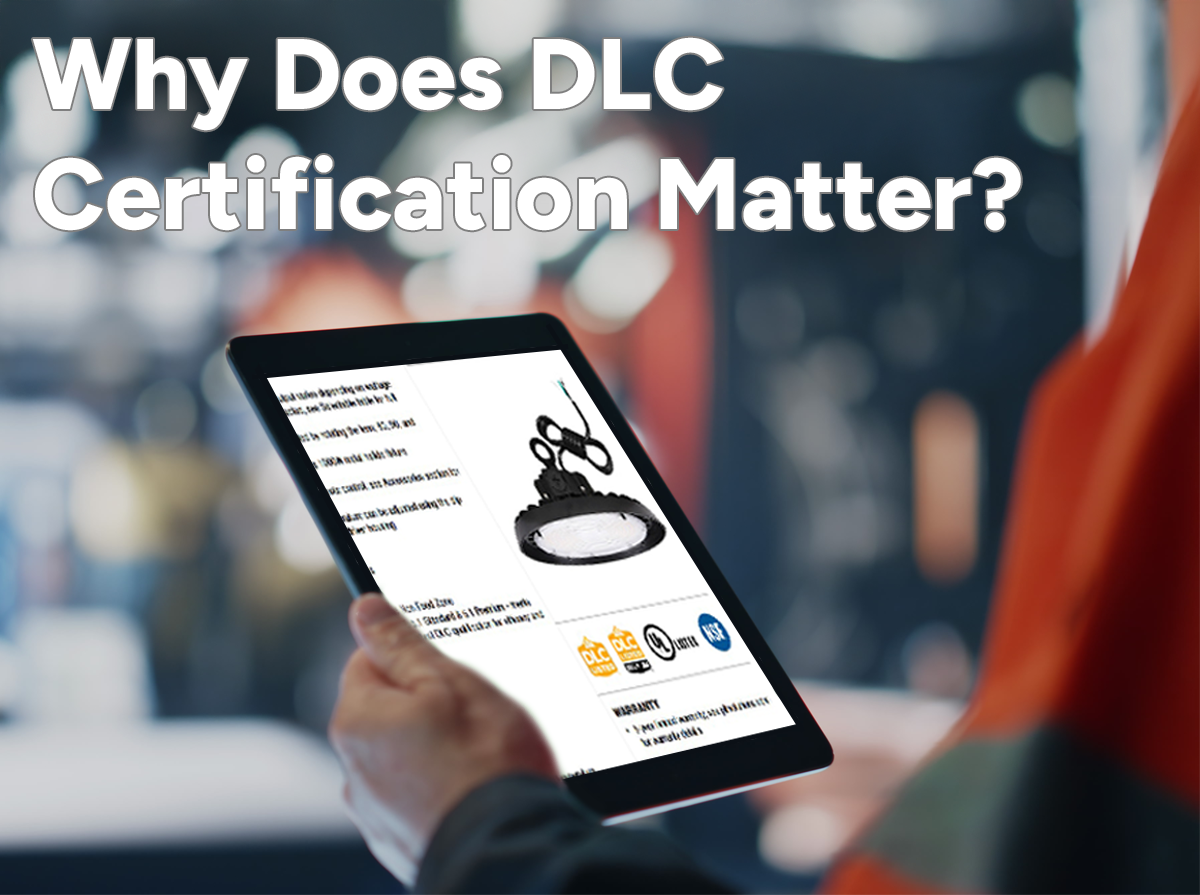
DLC certification is a third-party qualification that confirms an LED lighting product meets specific energy efficiency and performance standards. The DesignLights Consortium, a nonprofit organization, runs the program. When a product passes DLC testing, it appears on the Qualified Products List (QPL), which is a free, searchable database that utility companies, contractors, and facility managers use to find rebate-eligible fixtures.
You'll often see "DLC listed" or "DLC Premium" on commercial LED products. That label means the fixture has been independently tested and verified to deliver the efficiency and light quality the manufacturer claims. Utility rebate programs across North America frequently require DLC listing before they'll approve incentive payments, so the certification has real financial weight for commercial projects.
Unlike manufacturer self-certification, DLC qualification requires products to undergo standardized testing and documentation before they can be added to the Qualified Products List. This independent review helps create consistency across manufacturers, making it easier for contractors, engineers, and purchasing teams to compare products using the same performance benchmarks rather than relying solely on marketing specifications.
For many organizations, a DLC listing serves as a shortcut during product selection. Instead of reviewing dozens of technical data sheets from multiple manufacturers, buyers can use the Qualified Products List to quickly identify products that already meet established performance standards. This streamlines specification writing, procurement, and rebate applications while reducing the likelihood of selecting products that fail to meet project requirements.
Who Is the DesignLights Consortium
The DesignLights Consortium is a nonprofit that partners with utility companies and energy efficiency programs throughout the United States and Canada. The organization sets technical requirements that commercial LED products have to meet to earn certification, and it updates those requirements as LED technology improves.
This ongoing revision keeps the Qualified Products List current. Products that barely cleared old thresholds eventually fall off the list when new versions raise the bar. The result is a database that reflects genuinely high-performing options rather than outdated technology.
Founded to promote high-performing energy-efficient lighting, the DesignLights Consortium works with utilities, manufacturers, testing laboratories, researchers, and industry professionals to continuously improve commercial lighting standards. As LED technology has advanced over the past decade, the organization has regularly updated its Technical Requirements to ensure certified products continue to represent today's highest-performing lighting solutions rather than yesterday's technology.
The DLC itself does not manufacture lighting products or sell fixtures. Instead, it establishes the performance criteria products must meet to earn their certification. Manufacturers submit products for evaluation, accredited laboratories perform testing, and qualifying fixtures are added to the Qualified Products List for public use. This independent process helps maintain credibility throughout the commercial lighting industry.
Many utility companies across North America rely on the DLC's standards rather than creating their own product qualification programs. As a result, the Qualified Products List has become one of the most widely used resources for identifying rebate-eligible commercial LED lighting products.
What Changed in DLC 6.0
DLC Technical Requirements Version 6.0 applies specifically to solid-state lighting (SSL), including qualifying commercial LED fixtures and certain LED replacement lamps such as LED tubes. Version 6.0 raised the minimum performance bar for commercial LED products. The update reflects how much LED technology has improved over the past several years. Products that qualified under Version 5.1 may no longer meet the higher efficacy thresholds in 6.0.
Why the change? LED fixtures have become dramatically more efficient. The old requirements no longer separated average products from high performers, which made it harder for utilities to direct rebate dollars toward the best options. Version 6.0 addresses this by requiring higher lumens per watt, updated lumen maintenance standards, and more rigorous testing documentation.
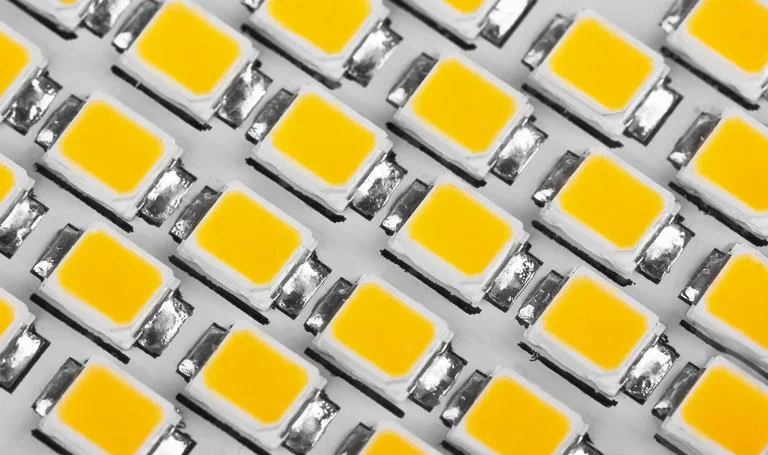
Closeup of modern LED diodes
For buyers, DLC-listed products under Version 6.0 deliver better energy performance than products certified under earlier standards. For contractors and specifiers, the update means verifying that a product's listing is current before including it in a project.
Version 6.0 also reflects a broader shift in the commercial lighting industry. LED technology has matured significantly since Version 5.1 was introduced, with manufacturers consistently producing fixtures that deliver more light while consuming less electricity. Rather than allowing older performance thresholds to remain in place indefinitely, the DLC raised its requirements so certifications continue to represent today's highest-performing commercial lighting products.
The transition to Version 6.0 began with updated Technical Requirements released by the DesignLights Consortium, followed by implementation deadlines that required manufacturers to submit products for reevaluation. Products that successfully met the new criteria retained their listing, while fixtures that no longer satisfied the higher standards were removed from the Qualified Products List unless manufacturers redesigned or recertified them.
These changes affect nearly every group involved in commercial lighting projects. Manufacturers have had to update product designs and testing documentation. Distributors have managed inventory transitions as some previously qualified fixtures lost eligibility. Contractors and engineers now need to verify listings before finalizing specifications, while facility owners benefit from products that meet more demanding performance standards and often qualify for today's utility rebate programs.
Why DLC 6.0 matters: Higher efficiency standards mean buyers can expect better-performing lighting products, while utilities can be more confident that rebate dollars are supporting today's most efficient commercial lighting technologies. The result is a Qualified Products List that better reflects the current state of LED innovation instead of older generations of products.
Key Improvements in DLC 6.0
Version 6.0 introduced several changes that affect which products qualify:
Increased efficacy thresholds: Minimum lumens-per-watt requirements went up across product categories
Updated lumen maintenance requirements: Products have to retain light output longer over their rated life
Improved optical quality requirements: Better standards for how fixtures distribute light
Enhanced testing and documentation: More rigorous verification procedures for manufacturers
Although these updates may appear incremental, together they significantly raise the minimum performance expectations for commercial LED lighting. Rather than simply requiring products to use less electricity, Version 6.0 places greater emphasis on delivering high-quality illumination that remains consistent throughout the fixture's service life. Every revision increases the performance bar, encouraging manufacturers to continue improving efficiency, durability, and optical performance instead of relying on older designs that no longer represent the best available technology.
Increased Efficacy Thresholds
One of the most significant changes in Version 6.0 is the increase in efficacy requirements. Efficacy measures how much light a fixture produces for each watt of electricity it consumes. By raising these thresholds, the DLC encourages manufacturers to develop products that provide the same or greater illumination while using less energy. This helps facility owners reduce electricity consumption without sacrificing lighting quality.
Updated Lumen Maintenance Requirements
Version 6.0 also strengthens expectations for lumen maintenance, which measures how well a fixture maintains its brightness over time. Commercial buildings often operate lighting systems for thousands of hours each year, making long-term performance just as important as initial brightness. Improved lumen maintenance standards help ensure fixtures continue delivering usable light years after installation instead of experiencing excessive light loss that can require premature replacement.
Improved Optical Quality
Brightness alone does not create an effective lighting system. Version 6.0 places additional emphasis on optical performance, encouraging fixtures that distribute light more evenly while minimizing glare and dark spots. Better optics can improve visibility, increase occupant comfort, and reduce the number of fixtures needed to adequately illuminate a space.
Enhanced Testing and Documentation
Manufacturers are now required to provide more comprehensive testing documentation demonstrating that products meet current Technical Requirements. Expanded verification procedures improve consistency across manufacturers while giving contractors, engineers, distributors, and rebate administrators greater confidence in the published performance data.
Better Alignment With Today's LED Technology
When Version 5.1 was introduced, many of today's most efficient LED fixtures did not yet exist. Since then, advances in semiconductor technology, optics, thermal management, and driver design have dramatically improved commercial lighting performance. Version 6.0 updates the certification program to reflect these advancements so buyers can more easily identify products that represent current best practices rather than legacy performance standards.
As commercial lighting technology has advanced, building owners have increasingly combined high-efficiency LED fixtures with networked lighting controls to maximize energy savings. Research from the DesignLights Consortium and the U.S. Department of Energy shows that integrating controls such as occupancy sensing, daylight harvesting, and scheduling can deliver additional operational savings beyond LED upgrades alone, helping explain why many utility incentive programs continue to prioritize qualifying lighting systems and controls.
How DLC 6.0 Differs From DLC 5.1
| Category | DLC 5.1 | DLC 6.0 |
|---|---|---|
| Minimum Efficacy | Lower thresholds | Higher thresholds |
| Product Testing | Standard procedures | Expanded verification |
| Documentation | Basic reporting | More comprehensive reporting |
| Qualified products | Larger list | Higher-performing products only |
| Utility Rebate Alignment | Earlier rebate requirements | Updated to support today's utility incentive programs |
Some fixtures that qualified under 5.1 lost eligibility when 6.0 took effect. If you're specifying products for a commercial project, check the QPL to confirm the listing is current. Rebate programs have transitioned to 6.0 requirements, so older inventory may no longer qualify for incentives.
The transition from Version 5.1 to Version 6.0 affected far more than certification paperwork. Manufacturers were required to reevaluate existing product lines against the updated standards, and many redesigned fixtures to improve efficacy, optical performance, or documentation before resubmitting products for qualification. Products that no longer met the new benchmarks gradually disappeared from the Qualified Products List as certification deadlines passed.
Distributors also experienced a significant transition period. Existing inventory that had previously qualified under Version 5.1 could remain physically available for purchase, but it might no longer satisfy current utility rebate requirements or project specifications. As a result, distributors increasingly relied on updated QPL listings to help customers select products that remained eligible under Version 6.0.
For contractors, engineers, and specification writers, the transition reinforced the importance of verifying certification immediately before ordering products. Rather than assuming a fixture remains qualified because it carried DLC certification in the past, project teams should confirm its current listing on the Qualified Products List. This simple step helps prevent specification revisions, rebate delays, and unexpected substitutions during procurement.
Many utility rebate programs also updated their eligibility requirements as Version 6.0 became the current standard. Projects designed around older product specifications sometimes required revisions to maintain rebate eligibility, particularly when Premium certification or higher-performing fixtures became necessary to qualify for maximum incentives. Checking current rebate requirements early in the design process can help avoid costly surprises later.
Specification writers and consulting engineers also benefit from Version 6.0's more rigorous standards. Because certified products now meet higher performance expectations, project specifications can more consistently deliver the energy efficiency, light quality, and long-term reliability owners expect from modern commercial lighting systems.
DLC Certification Levels and Programs
The DLC offers different certification designations and qualification programs based on product type and performance. While DLC Standard and DLC Premium are the two primary certification levels for commercial LED lighting products, the DesignLights Consortium also administers specialized programs for horticultural lighting, responsible outdoor lighting through LUNA, and networked lighting controls. Understanding these distinctions helps you choose products that meet your project's performance goals and rebate requirements.
Each program focuses on a different application or performance objective. While Standard and Premium certifications primarily apply to commercial LED fixtures, the Horticultural Lighting Program evaluates grow lights, LUNA addresses responsible outdoor lighting at night, and Networked Lighting Controls evaluates intelligent control systems that improve building efficiency. Choosing the appropriate certification depends on your project goals, facility type, and utility rebate requirements.

DLC Standard
DLC Standard is the baseline tier. Products at this level meet minimum efficacy and performance requirements for commercial LED lighting. Most general-purpose commercial fixtures, including troffers, panels, and wall packs, fall into this category. Standard certification typically qualifies products for basic utility rebates.
Standard certification is appropriate for many offices, schools, retail stores, warehouses, healthcare facilities, and municipal buildings where dependable energy-efficient lighting is the primary objective. Products meeting this designation have demonstrated compliance with the DLC's performance requirements while remaining suitable for a wide range of commercial applications.
Common DLC Standard products include LED high bays, recessed troffers, flat panels, wall packs, canopy fixtures, and parking lot lights. For many projects, Standard certification provides an excellent balance between performance, availability, and cost while still qualifying for many local utility incentive programs.
DLC Premium
DLC Premium requires higher efficacy than Standard. Products in this tier often qualify for larger utility rebates because they deliver superior energy performance. Facility managers and municipalities frequently specify Premium products when maximizing energy savings or rebate incentives is a priority.
If your utility offers tiered rebates, Premium-listed fixtures usually unlock the highest incentive amounts.
Premium certification is designed for projects where long-term operating costs and energy performance are especially important. These fixtures exceed the baseline efficacy requirements established for Standard certification, allowing organizations to maximize energy savings over the life of the installation.
Municipal governments, school districts, healthcare systems, manufacturing facilities, distribution centers, and large commercial property owners frequently specify Premium products because even small improvements in fixture efficiency can translate into meaningful operating savings across hundreds or thousands of luminaires.
When should you choose Premium? Consider DLC Premium when your project prioritizes maximum energy efficiency, qualifies for higher-tier utility rebates, supports sustainability initiatives, or involves facilities with long operating hours. Although Premium fixtures may carry a slightly higher upfront cost, reduced energy consumption and increased rebate opportunities often improve the overall return on investment over the life of the lighting system.
Other DesignLights Consortium Programs
In addition to Standard and Premium certification levels, the DesignLights Consortium manages several specialized qualification programs for specific lighting applications. These programs use their own technical requirements and evaluation criteria rather than the Standard/Premium certification structure.

DLC Horticulture Lighting
The DLC Horticultural Lighting Program is a specialized qualification program rather than a certification tier. It applies to LED fixtures used in indoor agriculture, commercial greenhouses, vertical farms, and other controlled-environment growing operations. Because plant lighting is evaluated differently from general commercial lighting, the program uses plant-focused performance metrics rather than relying on the Standard and Premium designations used for solid-state lighting.
The Horticultural Lighting Program uses different metrics than general commercial lighting qualifications. Instead of relying on lumens, it measures Photosynthetic Photon Efficacy (PPE) and Photosynthetic Photon Flux (PPF). PPE measures how efficiently a fixture converts electrical power into light that plants can use for photosynthesis. PPF measures the total amount of that usable light the fixture produces per second. Traditional lumen measurements do not capture what matters for grow lighting because lumens are weighted toward human vision, not plant biology.
The Horticultural Lighting Program reflects the science behind modern grow lighting. As controlled-environment agriculture has expanded, researchers have gained a deeper understanding of how light intensity, spectrum, and efficiency influence plant growth. Rather than adapting general commercial lighting standards for grow lights, the DesignLights Consortium evaluates these fixtures using plant-specific performance metrics.
DLC horticultural qualification supports a wide variety of controlled-environment agriculture applications, including commercial greenhouses, indoor farms, vertical farming operations, research facilities, and professional cannabis cultivation. While these environments all use artificial lighting, their performance goals differ significantly from traditional commercial spaces because the light is intended to support photosynthesis rather than human vision.
This is why lumens are not an appropriate primary measurement for horticultural fixtures. Lumens describe how bright light appears to people, while plants respond to the photosynthetically active portion of the spectrum. The program therefore emphasizes Photosynthetic Photon Flux (PPF), which measures the total amount of usable light produced, and Photosynthetic Photon Efficacy (PPE), which measures how efficiently a fixture converts electricity into photosynthetically active radiation.
The program also considers spectrum performance, consistent testing methodologies, and fixture efficiency to help growers compare products using standardized measurements. These requirements allow commercial growers to make more informed purchasing decisions while supporting improved crop productivity and more consistent growing environments.

DLC Luna
DLC LUNA is a specialized qualification for energy-efficient outdoor LED luminaires designed to reduce light pollution while maintaining appropriate visibility for people. Rather than applying to horticultural lighting, LUNA builds on the DLC's solid-state lighting requirements with additional criteria for responsible outdoor lighting at night.
LUNA focuses on three main areas: light distribution, spectral characteristics, and controllability. Qualified products must limit uplight, report Backlight, Uplight, and Glare (BUG) ratings, meet applicable shielding requirements, and provide distribution information that helps designers direct light only where it is needed. These measures can reduce light trespass and sky glow.
The program also limits eligible correlated color temperatures and requires dimming and control capabilities. Together, these requirements help communities, municipalities, and commercial property owners select outdoor fixtures that save energy, preserve nighttime visibility, and reduce unnecessary effects on the night sky and surrounding environment.
LUNA qualification does not replace good lighting design. Mounting height, aiming, fixture placement, operating schedules, and site-specific light levels still determine how an installation performs. However, choosing LUNA-qualified products gives project teams a stronger starting point for meeting dark-sky goals and outdoor-lighting ordinances.
Network Lighting Controls
Networked Lighting Controls (NLC) is another standalone DesignLights Consortium qualification program, not a certification tier. It evaluates intelligent lighting control systems that improve building efficiency through features such as occupancy sensing, scheduling, daylight harvesting, and energy monitoring.
What NLC systems include
Occupancy sensors
Daylight harvesting
Scheduling
Wireless controls
Energy dashboards
Fixture-level monitoring
Remote commissioning
Unlike fixture certification, Networked Lighting Controls (NLC) evaluate the intelligence behind a lighting system rather than the luminaires themselves. These systems allow building owners to automate lighting operation, collect performance data, and optimize energy usage throughout a facility.
For example, occupancy sensors automatically turn lights off when rooms are vacant, while daylight harvesting systems reduce artificial lighting when sufficient natural daylight is available. Scheduling allows lights to operate only during business hours, and wireless controls simplify commissioning and future system adjustments without extensive rewiring.
Many NLC platforms also include centralized dashboards that allow facility managers to monitor energy usage, identify maintenance issues, adjust lighting schedules remotely, and track system performance across multiple buildings. Fixture-level monitoring can quickly identify individual luminaires that require service, reducing maintenance costs and minimizing downtime.
Why Building Owners Install Networked Lighting Controls
Networked controls offer benefits beyond simple energy savings. Many utility companies provide additional rebates for qualifying control systems because they further reduce electricity consumption when paired with efficient LED fixtures. Organizations pursuing sustainability goals or Environmental, Social, and Governance (ESG) initiatives also use these systems to document energy reductions and support corporate reporting efforts.
NLC systems are commonly integrated into broader building automation platforms, allowing lighting to work alongside HVAC, security, and occupancy management systems. This coordination improves operational efficiency while creating more comfortable environments for building occupants.
Common applications include:
Warehouses
Distribution centers
Schools
Universities
Office buildings
Hospitals
Parking garages
Manufacturing facilities
Municipal buildings
Why DLC Certification Matters for Lighting Buyers
Understanding what DLC certification is only gets you halfway. Here's why the certification matters when you're selecting products.
Verified Energy Efficiency
A DLC listing confirms that an independent organization tested the product and verified its energy performance. You don't have to rely solely on manufacturer claims. The DLC's testing protocols provide a consistent benchmark across brands and product types.
This independent verification gives purchasing teams greater confidence when comparing products from different manufacturers. Rather than evaluating dozens of technical data sheets individually, buyers can use DLC certification as evidence that products have met consistent, third-party performance standards.
Utility Rebate Eligibility
Many utility companies require DLC listing, often DLC Premium, to qualify for energy efficiency rebates. Rebates can offset a portion of upfront costs on commercial lighting projects. Before purchasing, check your utility's rebate requirements to confirm which tier you need.
For large retrofit projects involving hundreds of fixtures, rebate programs can significantly reduce project costs and shorten the overall payback period. Verifying rebate eligibility early in the planning process helps ensure products qualify before purchase orders are finalized.
For example, the DesignLights Consortium has documented numerous commercial retrofit projects where utilities partnered with building owners to offset upgrade costs through incentive programs. Combined with lower energy consumption and reduced maintenance requirements, these rebates often improve the financial return on LED lighting investments.
Quality and Performance Assurance
DLC certification covers more than just efficacy. Products also have to meet durability and lumen maintenance standards. Lumen maintenance refers to how well a fixture retains its light output over time, typically measured at L70 (when output drops to 70% of initial lumens) or L90 (90% of initial lumens).
Long-term performance is especially important in warehouses, manufacturing plants, parking garages, and other facilities where replacing fixtures can be disruptive or expensive. By requiring products to meet durability and performance standards, the DLC helps buyers identify fixtures designed to maintain reliable operation throughout their expected service life.
Simpler Specification for Contractors
Specifying DLC-listed products simplifies bid documents and ensures consistency across projects. Contractors and facility managers can reference the QPL during procurement to verify that products meet project requirements without researching each manufacturer's claims individually.
Specification writers, engineers, distributors, and contractors frequently reference the Qualified Products List during project planning because it provides an independent source for verifying certification status. This can reduce specification errors, simplify procurement, and minimize delays caused by selecting products that no longer qualify under current standards.
DLC Technical Requirements for Lighting Products
To earn DLC certification, products have to meet specific technical criteria:
Efficacy: Minimum lumens produced per watt consumed, which varies by product category
Color rendering: CRI (Color Rendering Index) thresholds that ensure accurate color appearance
Lumen maintenance: Light output retained over the product's rated life
Safety listing: Products have to carry a recognized safety certification such as UL, ETL, or CSA
Warranty: Minimum warranty period required by DLC standards
Each of these requirements evaluates a different aspect of fixture performance. Efficacy measures how efficiently electricity is converted into usable light, while Color Rendering Index (CRI) evaluates how accurately colors appear under the fixture compared to natural light. Higher-quality lighting can improve visibility, comfort, and productivity in many commercial environments.
Lumen maintenance helps ensure fixtures continue producing useful light throughout years of operation instead of experiencing excessive brightness loss shortly after installation. Safety certifications such as UL, ETL, or CSA verify electrical safety, while minimum warranty requirements demonstrate that manufacturers stand behind their products for an established period.
Together, these requirements create a more comprehensive evaluation than efficiency alone. Buyers can feel more confident that DLC-listed products have been assessed for performance, durability, safety, and long-term value before appearing on the Qualified Products List.
Product Categories That Qualify For DLC Listing
The DLC certifies specific commercial and industrial lighting product types. Here are the main categories relevant to most commercial projects.
LED High Bay Lighting
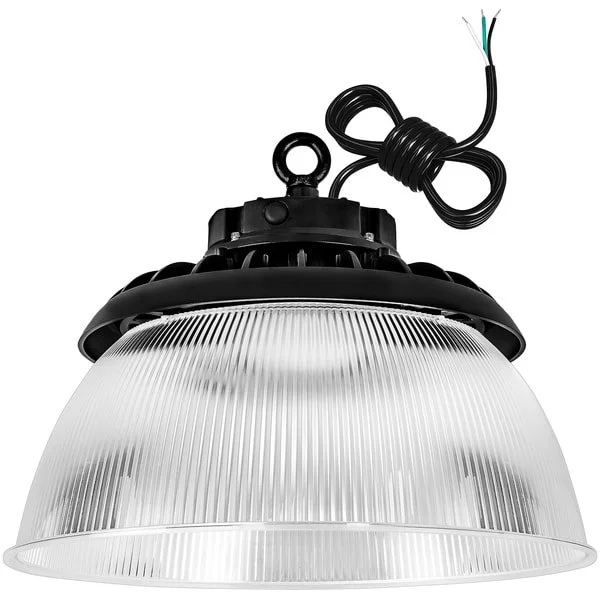
Linear and UFO high bays for warehouses, manufacturing facilities, and gyms are common DLC-listed products. High bay fixtures offer significant energy savings compared to legacy metal halide or HPS systems. For more detail on selecting high bays, see our complete guide to high bay fixtures.
High bay lighting is one of the most common categories found on the Qualified Products List because these fixtures typically operate for long hours in large commercial spaces. Upgrading older HID systems to DLC-listed LED high bays can significantly reduce energy consumption while improving light quality, reducing maintenance, and supporting utility rebate eligibility.
LED Tube Lights
Type B (ballast bypass) and Type C (external driver) LED tubes can qualify for DLC listing. Type A plug-and-play tubes, which work with existing fluorescent ballasts, typically do not qualify. Our T8 vs T12 bulbs guide covers the differences in more detail.
LED tube retrofits are popular in schools, office buildings, healthcare facilities, and retail environments looking to modernize fluorescent lighting systems. Choosing DLC-listed products can simplify rebate applications while ensuring fixtures meet current performance requirements.

LED Panels and Troffers
Flat panel fixtures and recessed troffers for drop ceilings in offices, schools, and healthcare facilities are frequently specified with DLC listing. Panel and troffer products are popular for rebate-eligible retrofit projects.
These fixtures are often selected for projects where consistent illumination, visual comfort, and long operating hours make energy efficiency especially valuable. Many organizations replacing fluorescent troffers prioritize DLC-listed options to improve lighting quality while lowering operating costs.
Outdoor and Area Lighting
Wall packs, parking lot fixtures, flood lights, and canopy lights commonly carry DLC certification. Outdoor commercial applications often have rebate programs available, making DLC listing particularly valuable for exterior projects.
Exterior lighting systems often operate from dusk until dawn, making efficiency improvements particularly impactful. Parking lots, building perimeters, campuses, distribution centers, and municipal facilities frequently specify DLC-listed outdoor fixtures because even modest efficiency gains can produce substantial annual energy savings when lights operate every night.
How to Verify a Product on the DLC Qualified Products List
Before purchasing or specifying a product, you can verify its DLC status directly.
Step 1. Visit the DLC QPL Website
Visit the DesignLights Consortium's Qualified Products List (QPL) at designlights.org/qpl to search by manufacturer, model number, product category, or certification designation. The QPL is maintained directly by the DLC and is the most reliable source for verifying whether a product currently qualifies under the latest Technical Requirements.
Because the QPL is maintained directly by the DesignLights Consortium, it serves as the most reliable source for confirming whether a product currently qualifies under the latest Technical Requirements.
Step 2. Search by Product Category or Model Number
You can search by manufacturer name, product model number, or fixture type. Filters help narrow results to specific categories or certification tiers.
Searching by exact model number is typically the fastest way to verify a fixture. If you're evaluating multiple products, filtering by category, manufacturer, certification tier, or application can help narrow the results more efficiently.
Step 3. Confirm the Tier and Listing Date
Once you find a product, check whether it's listed as Standard or Premium. Note the listing date to confirm the product meets current requirements under Version 6.0.
Reviewing the listing date also helps verify that the product remains eligible under current program requirements. This is especially important for long design cycles where specifications may have been written months before products are purchased.
Step 4. Download or Save the Listing Record
You can download product records for rebate applications or project documentation. Many utility programs require this documentation as part of the rebate submission process.
Saving a copy of the listing provides valuable documentation for contractors, project managers, rebate administrators, and facility owners. Keeping these records with project documentation can simplify inspections, incentive applications, and future maintenance planning.
DLC vs UL vs Energy Star Certifications
DLC, UL, and Energy Star certifications serve different purposes, and products often carry more than one.
| Certification | Focus | Typical Application |
|---|---|---|
| DLC | Energy efficiency and performance | Commercial and industrial LED lighting |
| UL | Electrical safety | Required for all lighting sold in the US |
| Energy Star | Energy efficency | Residential lighting and appliances |
DLC certification does not replace UL listing. In fact, DLC requires products to carry a recognized safety certification like UL, ETL, or CSA. Energy Star applies primarily to residential products and uses different criteria than DLC.
These certifications complement one another rather than compete. A commercial LED fixture may carry both UL and DLC certification because each evaluates different aspects of the product. UL focuses on electrical safety, while DLC evaluates energy efficiency, light quality, and long-term performance. ENERGY STAR serves a similar efficiency role for many residential products but does not replace the commercial-focused standards established by the DesignLights Consortium.
Understanding the differences helps buyers evaluate products more effectively and avoid assuming one certification automatically satisfies every project requirement. Many commercial specifications require both recognized safety certification and DLC listing to satisfy project standards and utility rebate programs.
Shop DLC Listed Lighting at 1000Bulbs.com
We stock a wide selection of DLC-listed and DLC Premium fixtures, including high bays, LED panels, tubes, and outdoor lighting. If you're working on a rebate-eligible project or want help verifying DLC status for specific products, our Lighting Specialists can assist.
Whether you're planning a single building retrofit or specifying lighting for a large commercial development, choosing appropriately certified products can improve efficiency, simplify rebate applications, and support long-term operating savings.
1000Bulbs has helped contractors, facility managers, schools, municipalities, healthcare organizations, warehouses, retailers, and business owners navigate commercial lighting projects since 1996. Our U.S.-based Lighting Specialists can help you identify DLC-listed fixtures, compare Standard and Premium products, verify rebate eligibility, and recommend lighting solutions that fit your project's performance goals and budget.
Contact us by phone at 1-800-624-4488 to discuss your project requirements.
Frequently Asked Questions About DLC Certification
Are DLC-listed products more expensive than non-listed products?
DLC-listed products may carry a modest price premium, but utility rebates often offset the difference and reduce total project cost.
For many commercial projects, lower operating costs, reduced maintenance, and available rebates can produce a lower total cost of ownership over the life of the fixture, even if the initial purchase price is slightly higher.
Can a lighting product be DLC listed but not UL listed?
No. DLC requires a recognized safety certification such as UL, ETL, or CSA for listing. A product cannot be DLC certified without first meeting safety standards.
How often does the DesignLights Consortium update its technical requirements?
The DLC periodically releases updated technical requirement versions to reflect advances in LED technology and raise efficiency thresholds.
Although there is no fixed schedule, updates generally occur as LED technology evolves and the industry establishes new expectations for efficiency and performance.
Do residential lighting products need DLC certification?
In most cases, no. DLC certification is primarily intended for commercial and industrial lighting products. Residential lighting products are more commonly evaluated through programs such as ENERGY STAR, although some residential users may purchase commercial-grade DLC-listed fixtures for specialized applications.
Can a product lose its DLC listing?
Yes. If a manufacturer does not recertify a product after updated Technical Requirements are introduced, or if the product no longer meets current performance standards, it may be removed from the Qualified Products List. This is why contractors and buyers should verify listings before specifying products for commercial projects.